


 Russian Missile and Drone Attack on Kyiv Kills Two, Damages Maternity Hospital
  Wall Street Ends Flat as Oil, Treasury Yields and Fed Jitters Rattle Markets
  US Backs Musk in Fight Against EU’s €120 Million X Fine
  Gold Prices Fall as Treasury Yields Rise on Fed Rate Hike Bets
  Yemen Violence Displaces 130,000 as Civilian Toll Rises
  Ghana Says Western Support Growing for Slave Trade Reparations
  European Stocks Fall as Bond Yields and Geopolitical Risks Weigh
  U.S. Dollar Hits Two-Month High as Oil, Treasury Yields Surge
  Australia Unemployment Hits Five-Year High Despite Strong Jobs Growth
  Netanyahu Defends Israel at UN as Delegates Stage Walkout
  Mexico-US Trade Talks Delayed to October as Tariff Negotiations Continue
  Asian Currencies Mixed as Dollar Holds Near Two-Month High
  Fed Unveils Stablecoin Rules Under GENIUS Act
  U.S. Treasury Yields Surge as 30-Year Hits 22-Year High
  Abbas Reaffirms November 28 Palestinian Elections
  Russian Envoy Dmitriev Heads to US for Ukraine Talks
  US Stock Futures Fall as Treasury Yields Surge Ahead of Trump-Xi Summit


 Add as a preferred source on Google
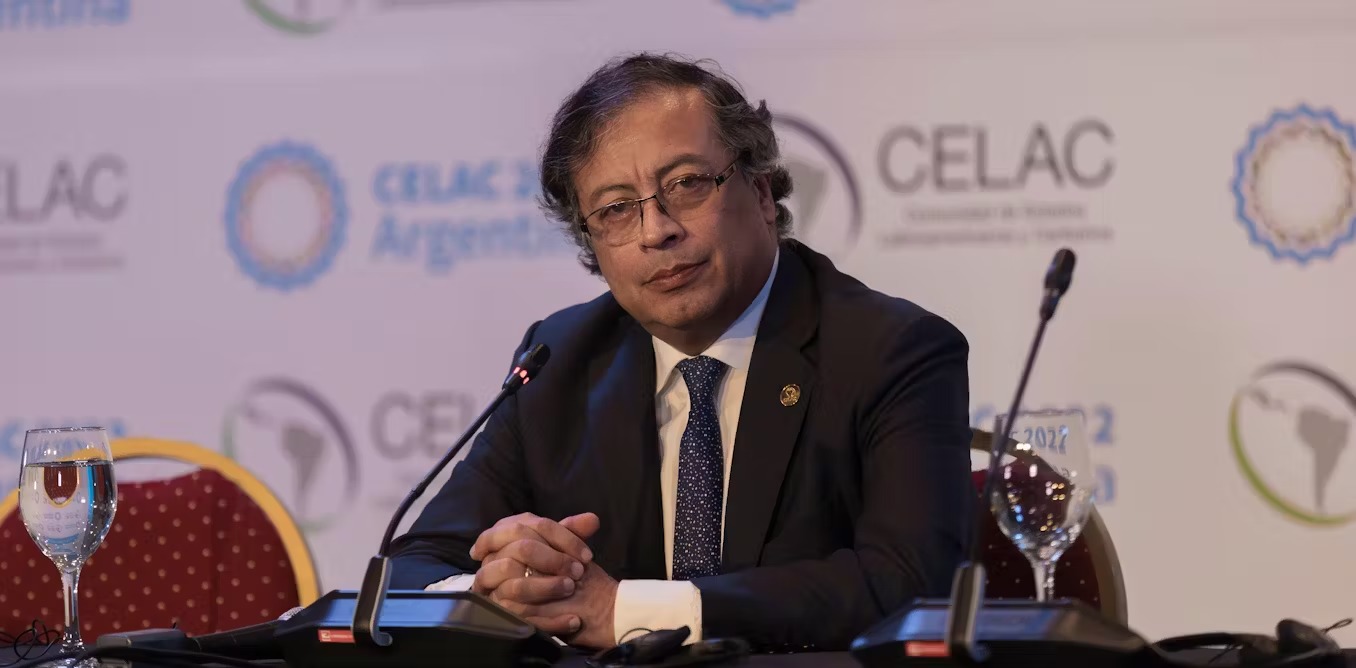
Colombian President Gustavo Petro announced on Monday that the recently imposed 100% tariff on Ecuadorean goods will not apply universally, signaling a more measured approach to the ongoing trade dispute between the two neighboring nations. Speaking during a televised cabinet meeting, Petro revealed that targeted subsidies and "smart tariffs" would be introduced to manage the economic impact of the escalating tensions.
The announcement comes days after Colombia raised its import tariffs on Ecuadorean products, a direct response to Ecuador having implemented a similar measure just one day prior. The tit-for-tat trade actions have deepened a diplomatic rift that has been growing between the two South American countries, raising concerns among businesses and economists who rely on cross-border commerce in the region.
By introducing a selective tariff framework rather than a blanket increase, President Petro appears to be attempting to strike a balance between protecting Colombian industries and avoiding severe disruptions to trade flows. The use of subsidies alongside the revised tariff structure suggests the government is aware of the potential economic consequences a full-scale trade standoff could have on Colombian consumers and producers alike.
The Colombia-Ecuador trade dispute highlights the fragile nature of bilateral trade relationships in Latin America, where political tensions can quickly translate into economic policy shifts. Observers are watching closely to see whether Ecuador will respond in kind or pursue diplomatic channels to de-escalate the situation.
As both governments navigate this period of uncertainty, businesses operating across both markets are advised to monitor policy updates closely. The introduction of smart tariffs could either ease tensions or set the stage for further negotiations, making the coming weeks critical for the future of Colombia-Ecuador trade relations.







