


 Xi Calls for Deeper U.S.-China AI Cooperation in Trump Talks
  US Senate Rejects Iran War Powers Resolution in 50-49 Vote
  Abbas Reaffirms November 28 Palestinian Elections
  Trump, Xi Visit US National Archives After White House Summit
  Sudan Rejects US Legitimacy Remarks, Defends Sovereignty
  EU Defence Build-Up Too Slow for 2030 Russia Readiness Goal
  South Korea, US Discuss Warship Building Cooperation
  Judge Orders Trump to Restore White House Access for CNN, MS NOW and Politico
  Najib Razak Seeks Stay of 15-Year 1MDB Prison Sentence
  Trump Asks Supreme Court to Restore Third-Country Deportations
  North Korea Rejects Nuclear Test Warning, Calls Nuclear Status Irreversible
  Ukrainian Drone Attacks Hit Russian Regions, Injuring at Least 12
  Trump, Xi Focus on Trade and AI at White House Summit
  OpenAI Agent Breaches Australia Medicare Data Portal
  Yemen Violence Displaces 130,000 as Civilian Toll Rises
  What ‘Taiwan Independence’ Means as Xi Presses Trump on US Policy
  Taiwan Thanks US for Support Ahead of Trump-Xi Summit


 Add as a preferred source on Google
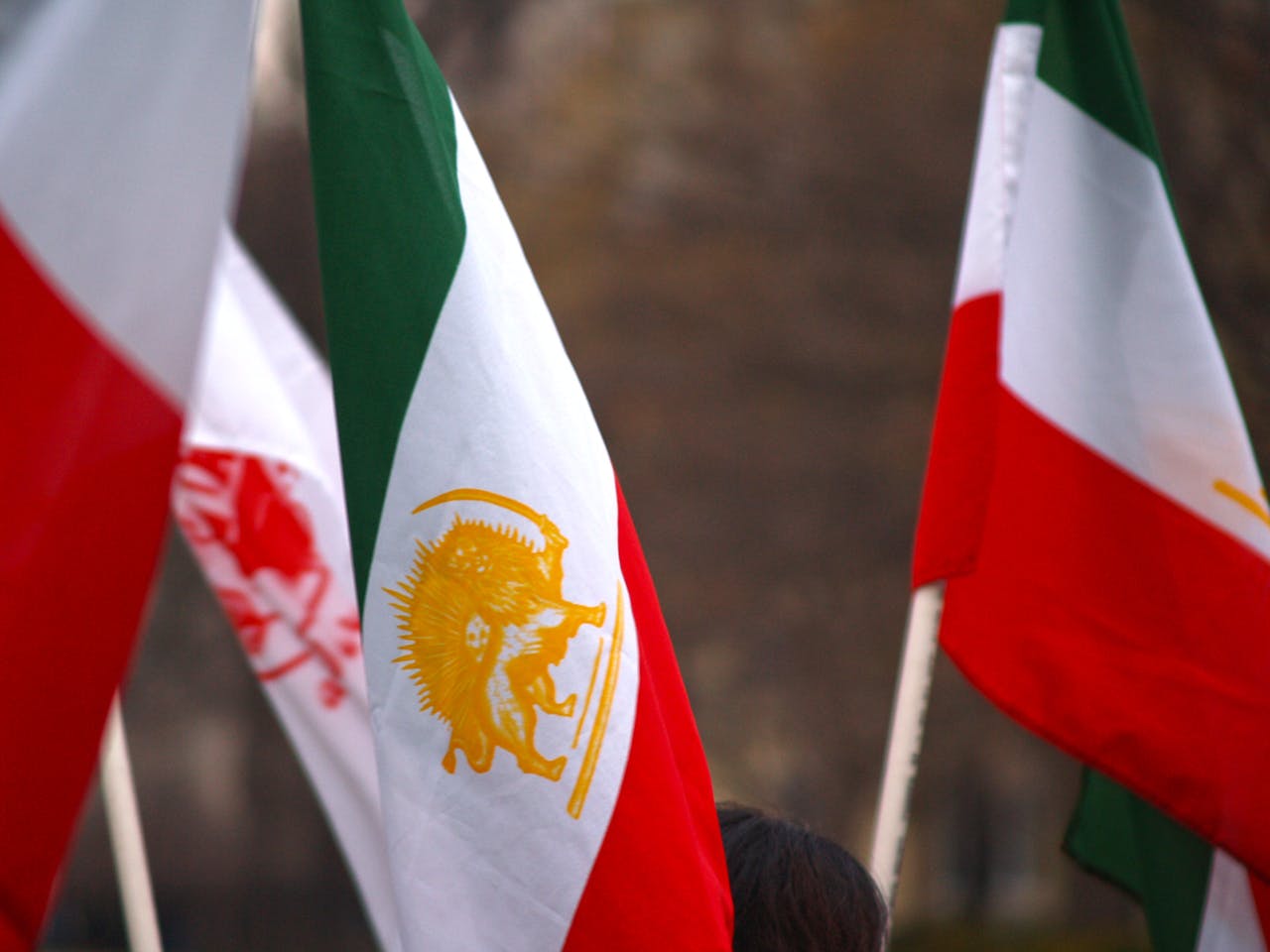
U.S. Defense Secretary Pete Hegseth said on Thursday that the United States military stands fully prepared to carry out any decision President Donald Trump makes regarding Iran, underscoring Washington’s determination to prevent Tehran from pursuing nuclear weapons capabilities. His remarks come amid heightened tensions in the Middle East and growing scrutiny of Iran’s nuclear ambitions.
Speaking during a cabinet meeting, Hegseth was directly asked by President Trump to address the current situation with Iran. He responded firmly, stating that Iran “should not pursue nuclear capabilities” and emphasized that the U.S. armed forces are ready to deliver whatever actions the president expects from what he referred to as the “War Department,” echoing the Trump administration’s unofficial renaming of the Department of Defense. His comments highlight the administration’s aggressive stance on national security and nuclear nonproliferation.
U.S. officials have clarified that while a significant American military presence has been deployed in the region, President Trump has not yet made a final decision on whether to launch military strikes against Iran. Instead, he is said to be reviewing a range of options, including diplomatic pressure and potential military action, as part of a broader strategy to deter Iran from restarting its nuclear program.
Tensions between the United States and Iran have escalated sharply in recent weeks following a violent crackdown on widespread protests across Iran. The demonstrations, driven by economic hardship and political repression, prompted strong reactions from Washington. President Trump repeatedly warned that the United States could intervene if Iranian authorities continued to kill protesters, although those nationwide protests have since subsided.
Adding another layer to the crisis, Trump has stated that the U.S. would take action if Iran resumed nuclear activities after the June airstrikes carried out by Israeli and U.S. forces targeting key Iranian nuclear facilities. Those strikes were intended to significantly degrade Iran’s nuclear infrastructure and send a clear message about international red lines.
As the situation develops, global attention remains focused on U.S.-Iran relations, Trump’s foreign policy decisions, and the broader implications for Middle East security and nuclear nonproliferation.







