


 Trump Scales Back Endangered Species Act Protections
  Who should own the knowledge that underpins AI technology?
  Trump Bans CNN, MS NOW and Politico From White House
  Vietnam, US Trade Deal Could Be Signed Soon, To Lam Says
  Trump Administration Prepares Sanctions Against Entire ICC
  FDA Weighs Safety Standards for Psychedelic Therapies
  Trump Administration Removes Confederate Memorial Criticism From Arlington Website
  Nvidia-Groq AI Chip Deal Faces U.S. Antitrust Probe
  Carney Condemns Belleville Synagogue Shooting That Wounded Police Officer
  UK, Mauritius Seek Diego Garcia Base Deal
  SEC Seeks ISS Client Voting Records in Proxy Adviser Probe
  Lula Meets Mamdani in New York as Elections Approach
  Canada Unveils Bill to Fast-Track Major Resource Projects
  Trump-Xi Summit Puts Trade Truce and Taiwan in Focus
  North Korea Fires Two Ballistic Missiles From Wonsan
  Australia Tightens Student Visa Rules, Targets Migration Cut by 2028
  US Northeast Airports Resume Operations After Telecom Outage Disrupts Thousands of Flights


 Add as a preferred source on Google
The United States has opened a Section 301 trade investigation into Germany’s proposed efforts to reduce pharmaceutical spending, raising concerns that the measures could unfairly impact American drugmakers and innovative pharmaceutical products.
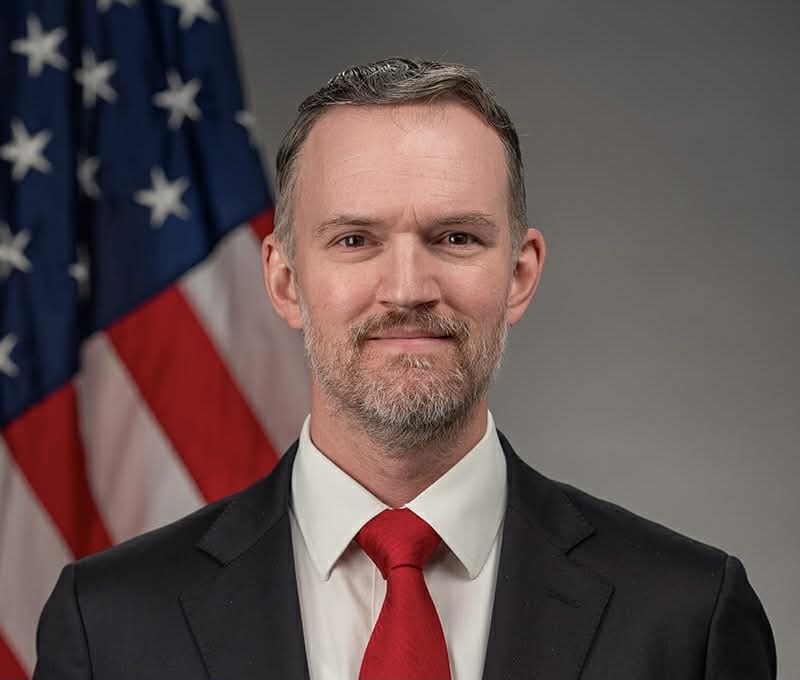
U.S. Trade Representative Jamieson Greer announced on Thursday that the investigation will examine whether Germany’s healthcare reform plans are unreasonable or discriminatory under U.S. trade law. The probe is being conducted under Section 301 of the Trade Act of 1974, a tool Washington has frequently used to address trade practices it considers harmful to U.S. businesses.
According to Greer, the Office of the U.S. Trade Representative (USTR) will begin accepting public comments on June 25, while a public hearing before the Section 301 Committee is scheduled for September. The investigation follows reports that Germany is considering legislation aimed at lowering healthcare costs, including spending on prescription medicines.
“I am particularly concerned with news that Germany is fast-tracking legislation that would further reduce its spending on innovative pharmaceuticals,” Greer said.
The move comes after Germany’s Health Ministry unveiled a broad healthcare reform proposal in April designed to address an estimated €20 billion ($23 billion) funding shortfall in the country’s statutory healthcare system. The original plan included variable discounts on pharmaceutical products, a measure that faced strong opposition from the pharmaceutical industry.
A German government source recently told Reuters that the proposal involving variable drug discounts is being replaced following industry backlash. Germany’s embassy in Washington has not yet commented on the U.S. investigation.
The probe reflects the Trump administration’s broader trade strategy, which has relied heavily on tariffs and trade enforcement actions. Since returning to office, President Donald Trump has introduced a 10% global tariff and threatened additional tariffs on imports from several countries.
If the investigation concludes that Germany’s pharmaceutical pricing policies harm U.S. interests, Washington could impose tariff-related measures on German imports, potentially adding new tensions to U.S.-Germany trade relations.







