


 Trump Says ‘Freedom’ Is Coming to Cuba
  Taiwan Vows to Advance US Arms Sales Ahead of Trump-Xi Meeting
  Trump Board of Peace Unveils $2.45 Billion Gaza Recovery Plan
  Kremlin Says No Grounds Yet for Ukraine Peace Talks
  Carney Condemns Belleville Synagogue Shooting That Wounded Police Officer
  China Tightens Fentanyl Rules Ahead of Trump-Xi Summit
  CNN, MS NOW and Politico Sue Trump Over White House Media Ban
  US, Japan and South Korea Back Taiwan Ahead of Trump-Xi Summit
  Trump Says U.S.-Iran Peace Deal Near After UN Talks
  Trump to Press Xi on Release of US Nuclear Expert Held in China
  Macron Challenges Trump’s Gaza Peace Claims at UN
  Scott Bessent Eyed as Trump’s New AI Czar
  Trump Administration Prepares Sanctions Against Entire ICC
  Lula Meets Mamdani in New York as Elections Approach
  US Plans Two New Military Bases in Greenland Under Arctic Deal
  UK, Mauritius Seek Diego Garcia Base Deal
  Vietnam, US Trade Deal Could Be Signed Soon, To Lam Says


 Add as a preferred source on Google
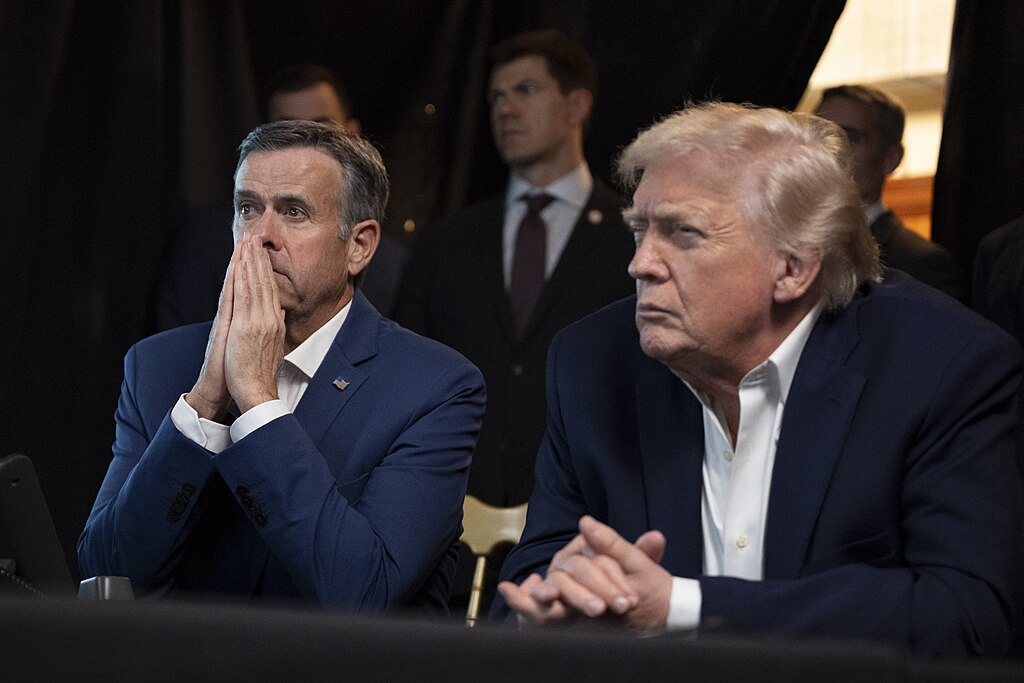
The United States has launched a new wave of military strikes against Iran, marking a significant escalation in the ongoing Middle East conflict. According to U.S. Central Command (CENTCOM), the operation began at 5:15 p.m. ET and targeted multiple locations across Iran. Military officials stated that the attacks were conducted under the direction of President Donald Trump and were intended as self-defense measures in response to what Washington described as continued Iranian aggression.
President Trump had earlier warned that the United States would respond forcefully to recent developments, promising that Iran would be hit “very hard.” Defense Secretary Pete Hegseth reinforced that message, confirming that U.S. military forces were prepared for extensive operations against Iranian targets.
Iranian state media reported explosions in several areas shortly after the strikes began, indicating that multiple sites were affected. The military action follows growing tensions between Washington and Tehran after a U.S. Apache helicopter was reportedly struck near the Strait of Hormuz. While Iran has denied responsibility, U.S. officials blamed Tehran and cited the incident as a key factor behind the latest retaliation.
CENTCOM previously announced attacks on Iranian air defense systems and satellite radar installations, though the full extent of the damage remains unclear. Iran had also launched strikes against U.S. military facilities in Kuwait and Bahrain, contributing to an escalating cycle of retaliatory actions across the region.
Meanwhile, diplomatic efforts to secure a peace agreement have largely stalled. Earlier hopes for a ceasefire between Iran and Israel faded despite temporary signs of progress. Iranian Foreign Minister Abbas Araghchi warned that any attack against Iran would be answered decisively, while regional tensions continue to spread.
The conflict has also affected global financial markets. Iran’s continued control over the Strait of Hormuz, a critical route for global oil shipments, has helped keep crude oil prices elevated. Rising energy costs have increased concerns about inflation and potential interest rate hikes by major central banks, including the U.S. Federal Reserve.
As military operations expand and negotiations remain deadlocked, investors and policymakers worldwide are closely monitoring developments that could further impact oil markets, global trade, and regional stability throughout 2026.







