


 Netanyahu’s Brief US Trip Highlights Strains With Trump
  Gaza Faces Evacuation Crisis as War-Damaged Buildings Risk Collapse
  Mexico-US Trade Talks Delayed to October as Tariff Negotiations Continue
  North Korea Rejects Nuclear Test Warning, Calls Nuclear Status Irreversible
  Europe Warns Russia Is Escalating Hybrid Attacks Across NATO
  Trump Asks Supreme Court to Restore Third-Country Deportations
  Russian Envoy Dmitriev Heads to US for Ukraine Talks
  Taiwan Thanks US for Support Ahead of Trump-Xi Summit
  US, China Extend Trade Truce to Jan. 10 Ahead of Trump-Xi Summit
  North Korea Warns South Korea Over US-Led Defense Role
  NATO Boosts Intelligence Sharing Amid Russia Hybrid Threats
  US Officials Split Over Response to Israeli West Bank Settlements
  Judge Orders Trump to Restore White House Access for CNN, MS NOW and Politico
  Trump, Xi Focus on Trade and AI at White House Summit
  France Defends Netanyahu Airspace Clearance Despite ICC Warrant
  South Korea, US Discuss Warship Building Cooperation
  Kremlin Says No Decision Yet on Putin-Trump December Summit


 Add as a preferred source on Google
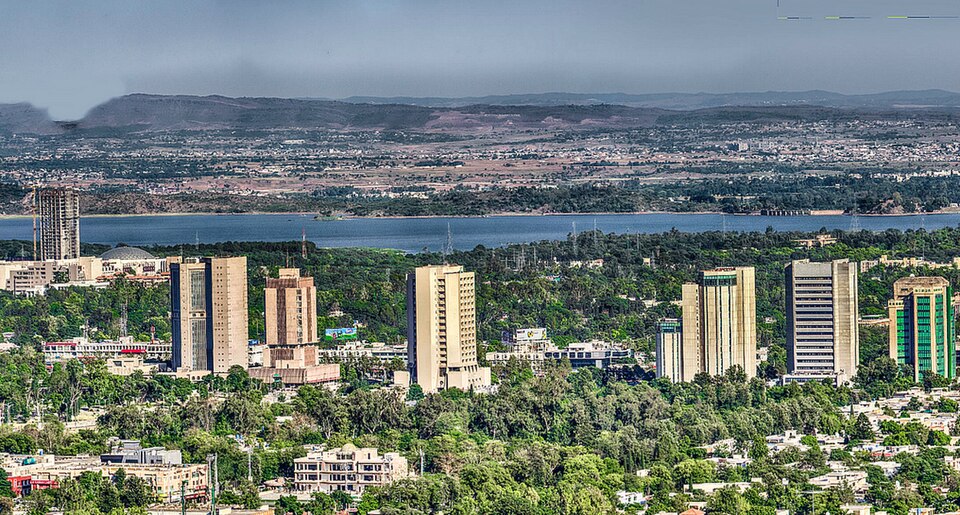
High-stakes diplomatic negotiations between the United States and Iran wrapped up in Islamabad, Pakistan on Sunday after roughly 14 hours of intense discussion, marking the first direct engagement between the two nations in over a decade. Iran's government confirmed via social media that while talks have temporarily paused, technical teams from both delegations will continue exchanging documents, with further negotiations expected to resume.
The historic discussions — the most significant since Iran's 1979 Islamic Revolution — centered on ending a devastating six-week armed conflict that has claimed thousands of lives and triggered a sharp spike in global oil prices. A senior U.S. delegation including Vice President JD Vance, special envoy Steve Witkoff, and Jared Kushner faced off against Iranian Parliamentary Speaker Mohammad Baqer Qalibaf and Foreign Minister Abbas Araqchi in a series of tense sessions described by Pakistani mediators as emotionally volatile, with the mood shifting dramatically throughout the day.
At the heart of the ceasefire negotiations is the Strait of Hormuz, a critical global energy corridor that Iran has blocked since the conflict began. The waterway handles roughly one-fifth of the world's energy supply, making its reopening a top priority for international markets. The U.S. military announced it was actively working to clear the strait of mines, though Iran disputed that any American vessels had passed through.
Iran entered the talks seeking the release of frozen assets, war reparations, regional ceasefire guarantees including Lebanon, and control over Strait of Hormuz transit fees. The United States, meanwhile, is pushing for unrestricted maritime passage and a permanent end to Iran's nuclear weapons development program.
Pakistan played a pivotal mediating role throughout the process — a striking diplomatic comeback for a country that was largely isolated on the world stage just a year ago.







