


 OpenAI Agent Breaches Australia Medicare Data Portal
  US Backs Musk in Fight Against EU’s €120 Million X Fine
  Netanyahu’s Brief US Trip Highlights Strains With Trump
  Netanyahu Takes Aim at Mamdani as Israel Election Nears
  France Defends Netanyahu Airspace Clearance Despite ICC Warrant
  US Invites Putin to Miami G20, Opening Door to Trump Summit
  Gaza Faces Evacuation Crisis as War-Damaged Buildings Risk Collapse
  US Officials Split Over Response to Israeli West Bank Settlements
  Europe Warns Russia Is Escalating Hybrid Attacks Across NATO
  South Korea, US Discuss Warship Building Cooperation
  Ghana Says Western Support Growing for Slave Trade Reparations
  North Korea Rejects Nuclear Test Warning, Calls Nuclear Status Irreversible
  Yemen Violence Displaces 130,000 as Civilian Toll Rises
  Trump, Xi Focus on Trade and AI at White House Summit
  US, China Extend Trade Truce to Jan. 10 Ahead of Trump-Xi Summit
  Taiwan Thanks US for Support Ahead of Trump-Xi Summit
  Judge Orders Trump to Restore White House Access for CNN, MS NOW and Politico


 Add as a preferred source on Google
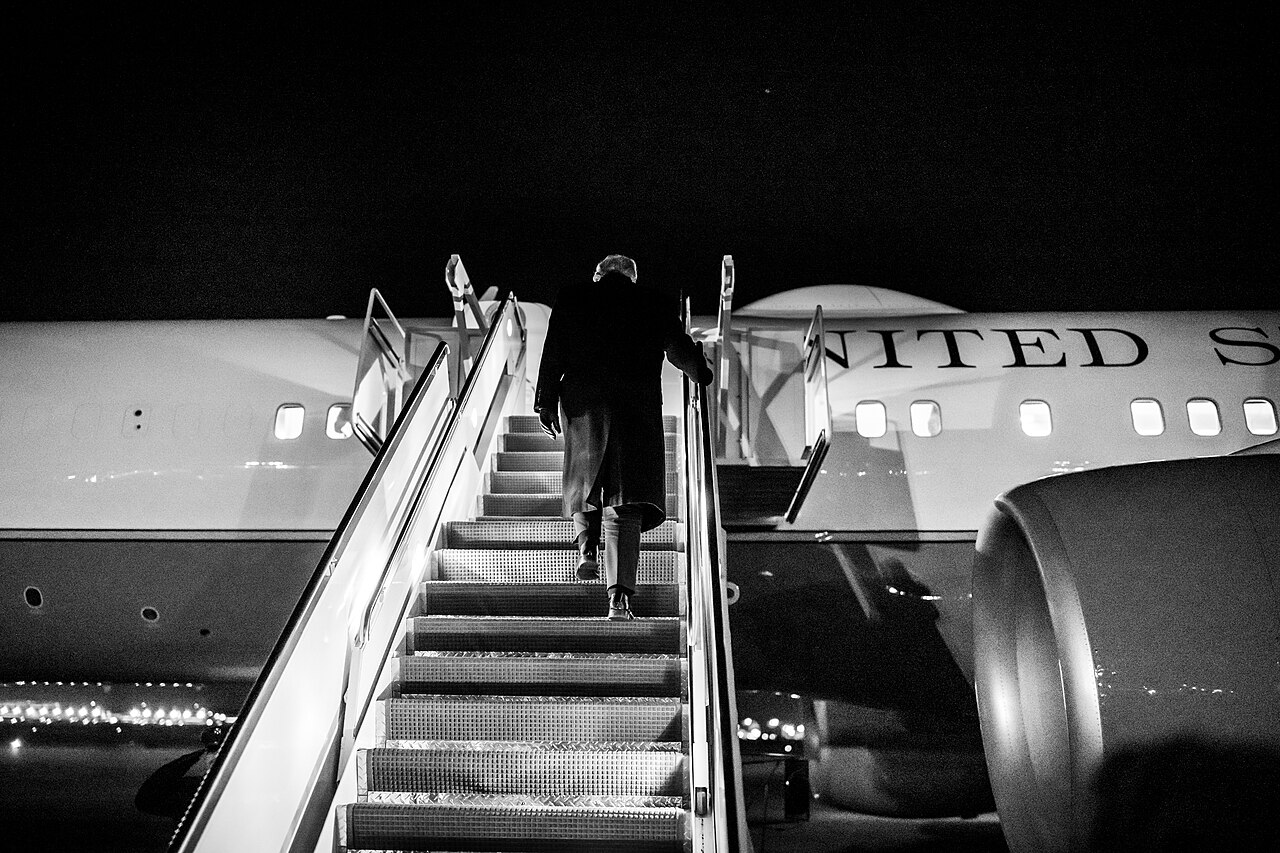
President Donald Trump's ceasefire agreement with Iran almost came with a dramatic national televised address — but senior White House advisers quietly shut the idea down. According to three U.S. officials who spoke to Reuters under anonymity, Trump was reportedly eager to address the nation on Tuesday evening, but aides held him back due to concerns about the deal's fragility and lack of confirmed details.
Rather than a prime-time speech, Trump announced the ceasefire through a social media post, just hours before a self-imposed deadline during which he had threatened the total destruction of Iran. The White House, however, denied the discussions ever reached Trump directly, calling the reports "fake news."
The move marked one of the sharpest wartime reversals by an American president. Only a week earlier, on April 1, Trump delivered a 19-minute address defending aggressive military action against Iran. Advisers reportedly felt another speech would require clarity they simply did not yet have.
While the ceasefire has paused U.S. and Israeli airstrikes on Iran, significant tensions remain. The Strait of Hormuz — a critical global energy corridor — stays blockaded, and Israeli-Hezbollah clashes in Lebanon continue. Both the U.S. and Iran have accused each other of violating the agreement ahead of peace negotiations scheduled in Islamabad, led by Vice President JD Vance.
Foreign policy analysts warn that deep-rooted distrust between Washington and Tehran could derail any lasting settlement. Trump's history of withdrawing from the 2015 nuclear deal and bombing Iranian nuclear sites during past negotiations adds another layer of complexity. Experts also note that while Iran's military has been significantly weakened, the country retains enriched uranium stockpiles and control over the Strait of Hormuz — two powerful geopolitical leverage points.
The road to a permanent resolution remains long and uncertain.







