


 Lula Meets Mamdani in New York as Elections Approach
  White House Bars CNN, MS NOW and Politico Reporters
  US Judge Dismisses Imran Ahmed Deportation Lawsuit
  FCC Approves Foreign Investment in $110B Paramount-Warner Bros. Deal
  Michelle Bachelet Withdraws From UN Secretary-General Race
  Canada Unveils Bill to Fast-Track Major Resource Projects
  US Resumes Immigrant Visa Processing for Hungary, Poland
  Zelenskiy Meets CIA Chief John Ratcliffe at Ireland’s Shannon Airport
  United Russia Leads Russia Election as Ukraine Drones Hit Moscow
  Pentagon Restarts Testosterone Testing for US Troops
  US, Denmark and Greenland Set to Sign Arctic Security Deal
  US Immigration Arrests Surge as Deportations Lag Behind
  Saudi Arabia Shuts East-West Oil Pipeline After Drone Attack
  Trump Bans CNN, MS NOW and Politico From White House
  FDA Weighs Safety Standards for Psychedelic Therapies
  Trump Open to Pezeshkian Meeting as Iran Tensions Escalate


 Add as a preferred source on Google
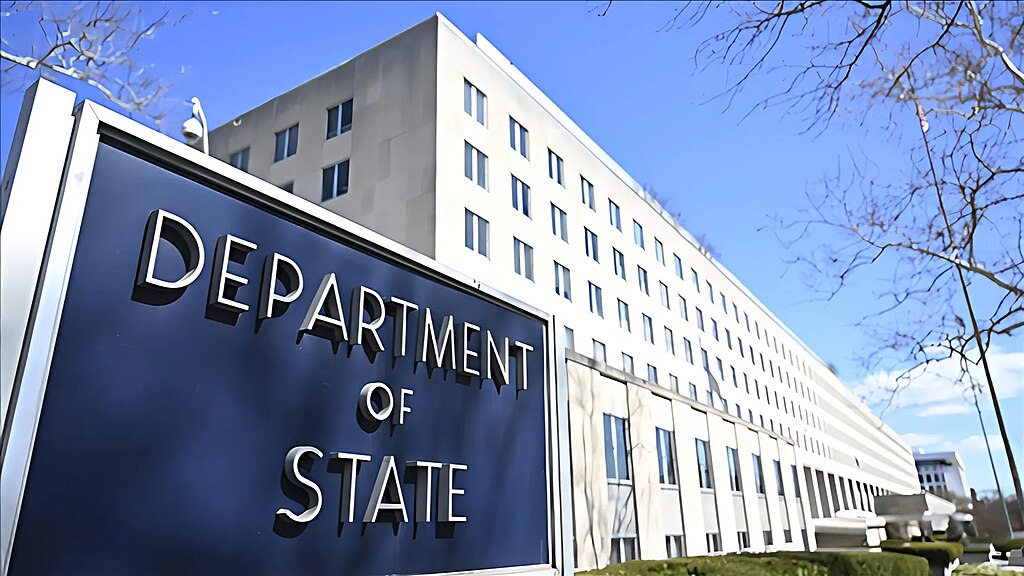
The United States has imposed new visa restrictions on members of Haiti’s Transitional Presidential Council, citing alleged links to gangs and criminal organizations, according to a statement released by the U.S. State Department on Sunday. The move includes revoking the visas of two council members as well as those of their immediate family members, escalating U.S. pressure amid Haiti’s ongoing political and security crisis.
In its statement, the State Department said the action was taken due to certain council members’ alleged “involvement in the operation of gangs and other criminal organizations in Haiti.” The department further accused unnamed members of interfering with efforts by the Haitian government to counter gangs that the United States has designated as Foreign Terrorist Organizations. The identities of the affected council members were not disclosed, and U.S. officials did not immediately provide additional details when asked for clarification.
Haiti’s embassy in Washington also did not respond to requests for comment, underscoring the uncertainty surrounding the decision and its potential diplomatic impact. The visa restrictions come at a particularly sensitive moment, as the mandate of the Transitional Presidential Council, which currently serves as Haiti’s top executive authority, is set to expire on February 7. At present, there is no officially announced succession plan, raising concerns about a potential power vacuum.
U.S. Secretary of State Marco Rubio discussed the situation with Haitian Prime Minister Alix Didier Fils-Aime on Friday, according to a State Department spokesperson. During the call, Rubio reiterated that the council should dissolve as scheduled but stressed the importance of Fils-Aime remaining in his role to help ensure continuity and stability. This stance contrasts with growing internal tensions, as two members of the council publicly called for Fils-Aime’s removal on the same day.
The Transitional Presidential Council was appointed in 2024 with the goal of guiding Haiti toward its first national election in nearly a decade. However, the election process has been repeatedly delayed due to a severe deterioration in security, driven by violent clashes between security forces and heavily armed gangs that control large parts of the country. As the United States tightens visa restrictions and presses for political transition, Haiti faces renewed uncertainty over its leadership, governance, and path toward long-awaited democratic elections.







