


 Trump Bans CNN, MS NOW and Politico From White House
  Trump Scales Back Endangered Species Act Protections
  UK, Mauritius Seek Diego Garcia Base Deal
  Trump Administration Prepares Sanctions Against Entire ICC
  U.S. Issues Cuba Health Alert as Illnesses Rise
  Trump, Iran Trade Threats as Middle East Tensions Escalate
  United Russia Leads Russia Election as Ukraine Drones Hit Moscow
  Trump Open to Pezeshkian Meeting as Iran Tensions Escalate
  Nvidia-Groq AI Chip Deal Faces U.S. Antitrust Probe
  Synthetic data could ease people’s concerns about privacy breaches. But who gets to create it?
  Australia Defends Social Media Algorithm Law Amid US Concerns
  Trump Plans Military Complex Inside Washington Triumphal Arch
  Australia Plans New Rules Giving Users Control Over Social Media Feeds
  SEC Seeks ISS Client Voting Records in Proxy Adviser Probe
  AfD Wins German State Election as Merz’s CDU Hits Historic Low
  ICE Officer Shoots Man in Austin, Sparking Calls for Independent Probe
  Judge Blocks Trump Rule Limiting Foreign Student Visas


 Add as a preferred source on Google
Bolivia entered a new phase of political turmoil on Saturday after President Rodrigo Paz declared a nationwide state of emergency to remove protest roadblocks that have disrupted the country’s economy for more than 50 days and resulted in at least 14 deaths.
In a televised address, Paz said the ongoing blockades had evolved beyond social protests and now represented an organized effort to undermine Bolivia’s democratic institutions. The emergency decree grants authorities expanded powers, including broader military deployment, to restore transportation routes and ensure the delivery of essential goods.
The protests, largely supported by groups aligned with former President Evo Morales, have blocked major highways across the country, restricting the movement of food, fuel, and medicine. The shortages have particularly affected La Paz and neighboring El Alto, where residents have faced growing economic hardship.
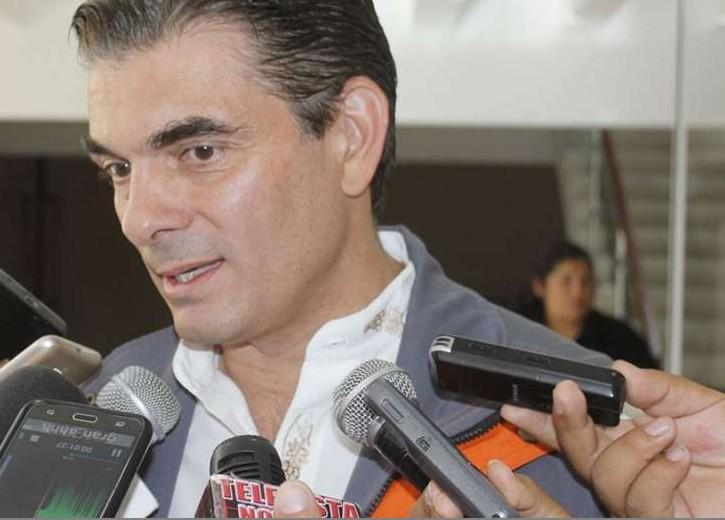
Defense Minister Ernesto Justiniano confirmed that security forces had successfully cleared several roadblocks by Saturday afternoon, allowing traffic to resume in some areas. He emphasized that the government remains open to dialogue while defending the emergency measures as necessary to protect citizens and restore critical supply chains.
The crisis intensified after Paz’s administration reduced long-standing fuel subsidies in an effort to address Bolivia’s fiscal deficit and ongoing U.S. dollar shortage. Although the government later introduced measures to stabilize fuel prices and reverse controversial land reforms, demonstrations continued to grow. Protesters are demanding higher wages, solutions to fuel and currency shortages, and Paz’s resignation.
Congress paved the way for the declaration in May by removing restrictions on executive emergency powers. Lawmakers from the opposition Alianza Libre party indicated support for the measure, arguing that government action was overdue given the loss of lives and prolonged economic disruption.
Meanwhile, Morales has denied accusations that he encouraged the unrest, describing the movement as an “indigenous rebellion” fueled by economic hardship. The United States voiced support for Paz’s decision, stating that restoring public order and maintaining the flow of essential supplies is critical for Bolivia’s stability.
As security operations continue and Congress prepares to review the emergency decree, Bolivia faces mounting pressure to balance public order, economic recovery, and political reconciliation.







