


 Kremlin Says No Decision Yet on Putin-Trump December Summit
  US, China Extend Trade Truce to Jan. 10 Ahead of Trump-Xi Summit
  US Senate Rejects Iran War Powers Resolution in 50-49 Vote
  Yemen Violence Displaces 130,000 as Civilian Toll Rises
  Taiwan Thanks US for Support Ahead of Trump-Xi Summit
  Netanyahu Defends Israel at UN as Delegates Stage Walkout
  Sudan Rejects US Legitimacy Remarks, Defends Sovereignty
  France Defends Netanyahu Airspace Clearance Despite ICC Warrant
  North Korea Rejects Nuclear Test Warning, Calls Nuclear Status Irreversible
  Ghana Says Western Support Growing for Slave Trade Reparations
  Russian Envoy Dmitriev Heads to US for Ukraine Talks
  OpenAI Agent Breaches Australia Medicare Data Portal
  Europe Warns Russia Is Escalating Hybrid Attacks Across NATO
  North Korea Warns South Korea Over US-Led Defense Role
  Judge Orders Trump to Restore White House Access for CNN, MS NOW and Politico
  Trump Asks Supreme Court to Restore Third-Country Deportations
  Netanyahu’s Brief US Trip Highlights Strains With Trump


 Add as a preferred source on Google
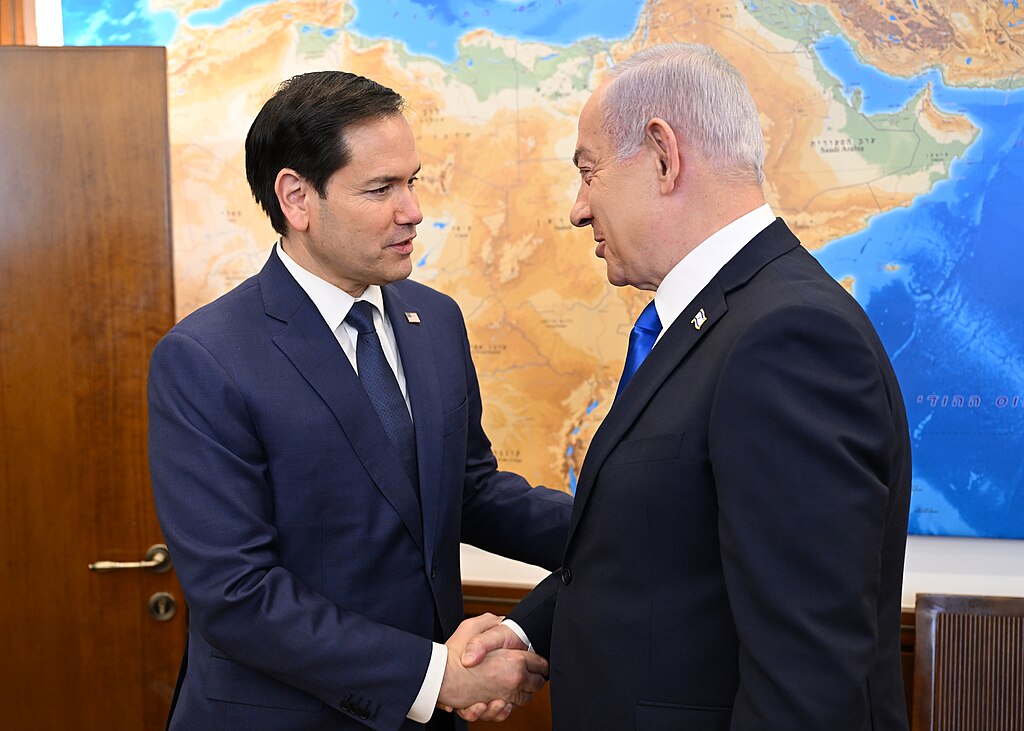
U.S. Secretary of State Marco Rubio recently held talks with Israeli Prime Minister Benjamin Netanyahu regarding a new U.S. tariff policy, the State Department confirmed on Friday. The high-level discussion follows Washington’s announcement of sweeping trade measures, which now include a 17% tariff on certain Israeli exports.
Although the specific goods affected have not been publicly detailed, the move could impact significant sectors of Israel’s economy. The United States is Israel’s largest single trading partner, making the new tariffs a potentially serious concern for bilateral trade relations.
Rubio emphasized the importance of continued strategic cooperation between the two allies while addressing the implications of the policy shift. The conversation reportedly covered broader economic ties and regional stability, though the focus remained on the economic repercussions of the tariff decision.
The decision comes amid growing global trade tensions and a shift in U.S. policy aimed at protecting domestic industries. This new approach signals a tougher stance on imports, even from close allies like Israel.
Israeli officials have not yet issued a formal response to the new tariffs. However, trade analysts suggest the development could prompt diplomatic negotiations or requests for exemptions in key export categories.
The 17% tariff marks one of the most significant trade adjustments between the two nations in recent years. Businesses in both countries are now assessing the potential impact on supply chains and export volumes.
As global markets watch closely, the U.S.-Israel trade relationship enters a new phase, where economic interests and diplomatic ties will be tested. Stakeholders anticipate further dialogue in the coming weeks as both sides seek to minimize disruption and maintain strong economic cooperation.







