


 Nvidia Reportedly Eyes $13 Billion Hugging Face Acquisition
  Meta, U.S. States Discuss Settlement in Teen Addiction Trial
  Salesforce Shares Surge as AI Demand Powers Q2 Earnings Beat
  Tokio Marine Eyes Multibillion-Dollar Suncorp Takeover
  HP Stock Drops 9% Despite Q3 Earnings Beat and Raised 2026 Outlook
  Xiaomi Unveils Xring O3 Chip for Flagship Foldable Phone
  29 US states are suing Meta. What might it mean for the rest of the world?
  SoftBank Plans Record $6.3 Billion Bond Sale to Fund OpenAI Investments
  Google Expands Gemini Enterprise With AI Tools for Legal Sector
  Want to muck around with a real quantum computer? Now you can
  OpenAI Data Center Chief Chris Malone Exits Ahead of Planned 2027 Listing
  Woodside Drops $5 Billion Clean Energy Plan as Profit Rises 7%
  Unitree Shares Plunge 45% After Blockbuster IPO, Raising China Tech Bubble Fears
  Yindjibarndi Appeals Fortescue Mining Compensation Ruling
  New Zealand Labour Backs Social Media Ban for Under-16s
  SEC Probes Banks Over Situational Awareness Hedge Fund Collapse


 Add as a preferred source on Google
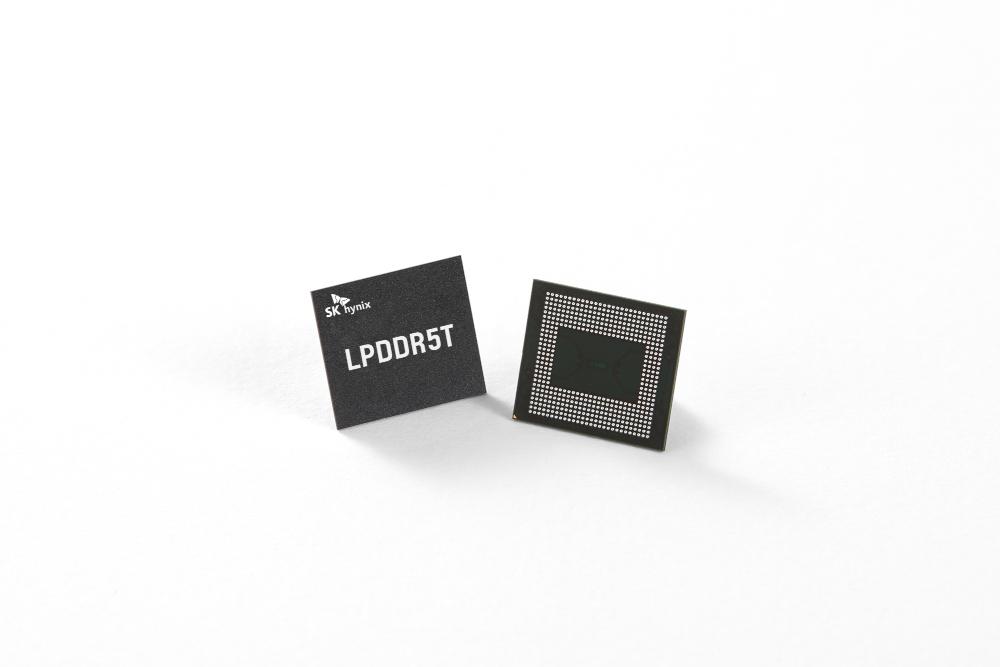
Samsung Electronics and SK hynix are expected to benefit from the U.S. government's plan to tighten regulations on Chinese legacy chips. The move aims to prohibit American defense companies from importing semiconductors from China. Securities analysts have predicted this development.
U.S. Department of Commerce Launches Survey
Last Thursday, the U.S. Department of Commerce announced its intention to conduct a survey in January. Korea Times reported that the survey will identify how American companies in critical industries source chips from China, specifically those with a size of 28 nanometers or larger.
According to the Korea Herald, The department aims to mitigate national security risks associated with China.
The upcoming measure is seen as a preemptive attempt to prevent Chinese firms from dominating the U.S. semiconductor market. This follows their success in the American steelmaking and solar power sectors.
The Korean government is monitoring the potential impacts of the U.S. restriction on domestic companies. The Ministry of Trade, Industry, and Energy stated that they have strengthened cooperation with the U.S. and other major countries, to stabilize the semiconductor supply chain.
Positive Outlook for Samsung and SK
Market observers anticipate that the U.S. restrictions will primarily affect the exports of Chinese chipmakers. On the other hand, Samsung and SK hynix are expected to benefit from increased sales of their stocks of legacy DRAMs and NAND flash chips.
Kim Dong-won, an analyst at KB Securities, predicts that American companies will reduce their reliance on Chinese products to avoid regulatory uncertainties. The forthcoming U.S. measure is believed to target YMTC, CXMT, and SMIC, potentially exempting Chinese Samsung and SK hynix factories.
The forthcoming regulation aims to restrict YMTC's share in the U.S. NAND flash market. This move is expected to contribute to the growth of Samsung and SK's NAND businesses during the second half of next year.
China's foreign ministry spokesman, Wang Wenbing, expressed criticism towards the U.S., accusing it of "weaponizing" trade issues. China urges the U.S. to respect international trade regulations.
Photo: SK Hynix Newsroom







