


 Trump Scales Back Endangered Species Act Protections
  China Tightens Fentanyl Rules Ahead of Trump-Xi Summit
  Trump, Xi Visit US National Archives After White House Summit
  Netanyahu Defends Israel at UN as Delegates Stage Walkout
  Judge Orders Trump to Restore White House Access for CNN, MS NOW and Politico
  Trump, Xi Focus on Trade and AI at White House Summit
  FAA Allows Boeing to Sell 35 More 777F Freighters Beyond 2028
  Mexico-US Trade Talks Delayed to October as Tariff Negotiations Continue
  Judge Blocks Trump Rule Limiting Foreign Student Visas
  US Judge Dismisses Imran Ahmed Deportation Lawsuit
  Netanyahu Takes Aim at Mamdani as Israel Election Nears
  Kremlin Says No Decision Yet on Putin-Trump December Summit
  FDA Weighs Safety Standards for Psychedelic Therapies
  Saudi Arabia, Turkey and Pakistan Plan Urgent Defence Talks Over Houthi Attacks
  What ‘Taiwan Independence’ Means as Xi Presses Trump on US Policy
  South Korea, US Discuss Warship Building Cooperation
  U.S. Imposes New Visa Restrictions Over South Africa Policies


 Add as a preferred source on Google
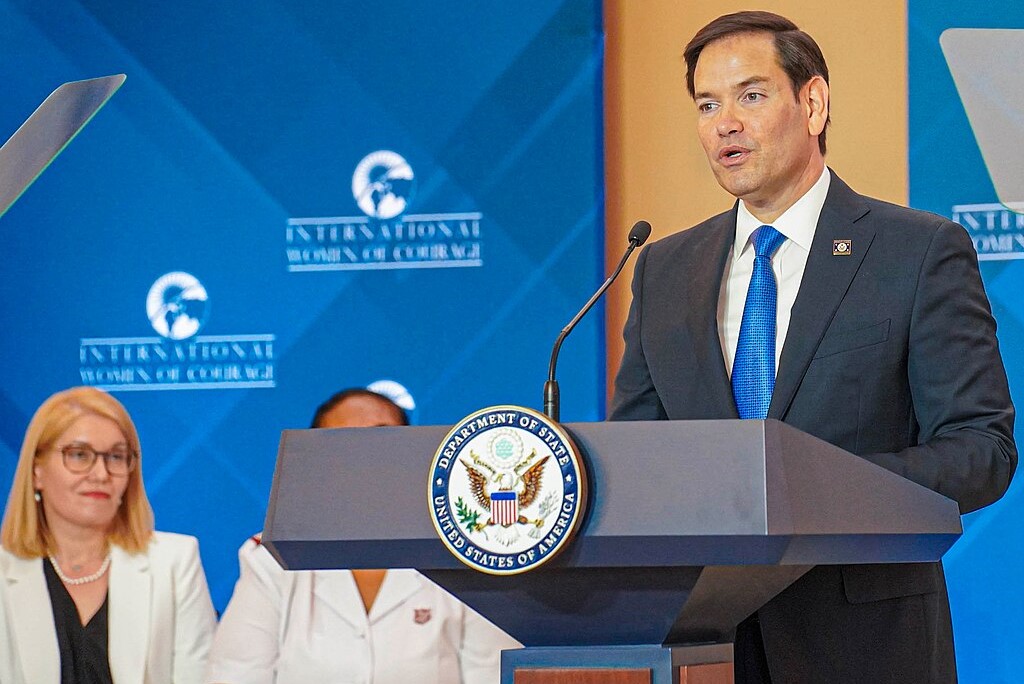
The United States is stepping up efforts to combat the flow of fentanyl and other illicit drugs with a new visa restriction policy targeting foreign drug traffickers. Announced Thursday by U.S. Secretary of State Marco Rubio, the policy aims to block entry into the U.S. for individuals involved in drug trafficking operations, including their close associates and family members.
Rubio emphasized that the visa restrictions will serve not only to prevent traffickers from entering the country but also act as a powerful deterrent against continuing illegal drug activities. “Imposing visa restrictions on drug traffickers, their family members, and close personal and business associates will not only prevent them from entering the United States, but it will serve as a deterrent for continued illicit activities,” he stated in a press release from the State Department.
The move reflects a broader push by U.S. officials to disrupt transnational criminal networks fueling America’s opioid crisis, particularly the influx of synthetic opioids like fentanyl. The highly potent drug has contributed to a significant surge in overdose deaths across the country, with law enforcement and federal agencies labeling it a top national security threat.
Under the new directive, the Department of State will work closely with the Department of Homeland Security and law enforcement partners to identify individuals and organizations subject to the restrictions. The policy also targets those who benefit financially or logistically from the drug trade, expanding its scope beyond traffickers alone.
As the U.S. government ramps up diplomatic and legal pressure on international narcotics operations, the visa ban is intended to be a visible signal of America's commitment to disrupting the drug pipeline and protecting its citizens from the devastating effects of fentanyl.







