


 Fed Unveils Stablecoin Rules Under GENIUS Act
  China Tightens Fentanyl Rules Ahead of Trump-Xi Summit
  Asian Stocks Fall as Bond Yields Surge Ahead of Trump-Xi Summit
  US 10-Year Treasury Yield at 6% Emerges as New Market Risk Threshold
  Oil Prices Surge as U.S.-Iran Diplomacy Hopes Fade
  What ‘Taiwan Independence’ Means as Xi Presses Trump on US Policy
  China Reviews Broadcom Switch Use in State Data Centres
  Asian Currencies Mixed as Dollar Holds Near Two-Month High
  Fed Unveils Stablecoin Rules Under GENIUS Act
  Asian Stocks Fall as Surging Bond Yields Rattle Markets
  US Stock Futures Fall as Treasury Yields Surge Ahead of Trump-Xi Summit
  Ukrainian Drone Attacks Hit Russian Regions, Injuring at Least 12
  US Immigration Arrests Surge as Deportations Lag Behind
  Synthetic data could ease people’s concerns about privacy breaches. But who gets to create it?
  Wall Street Falls as Treasury Yields Surge, Oil Rebounds on Iran Tensions
  Judge Orders Trump to Restore White House Access for CNN, MS NOW and Politico
  Yemen Violence Displaces 130,000 as Civilian Toll Rises


 Add as a preferred source on Google
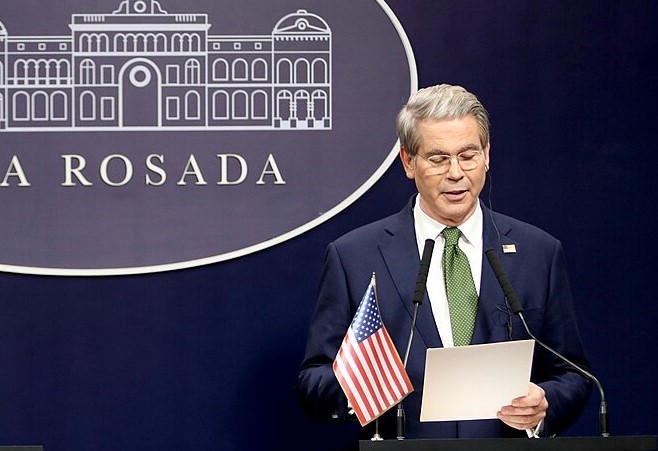
U.S. Treasury Secretary Scott Bessent announced Thursday that the Biden-era global tax framework will be modified under a new G7 agreement, prompting the removal of the controversial Section 899 tax proposal from the Republican tax and spending bill.
Section 899, introduced by GOP lawmakers, would have allowed President Donald Trump to impose retaliatory taxes on countries targeting U.S. firms under the 2021 OECD global tax deal. However, Bessent confirmed that the agreement with the Group of Seven nations shields American companies from the 15% global minimum tax under “Pillar 2” of the OECD-G20 Inclusive Framework.
“After months of productive dialogue, the U.S. and G7 have reached a joint understanding that protects American interests,” Bessent posted on X. He added that the countries would cooperate on implementing the new deal in the coming months.
This move potentially paves the way for Trump to fulfill his pledge to withdraw the U.S. from the OECD tax agreement while minimizing international fallout. The revised deal appears to address key concerns from U.S. corporations and Republicans, particularly around digital services taxes and global reallocation of taxing rights.
Bessent’s statement followed news that GOP lawmakers, facing internal opposition and pressure from the business community, were considering scrapping Section 899. The updated tax legislation is now expected to move forward, with final votes possibly taking place as early as Saturday, ahead of the July 4 holiday.
“This G7 consensus promotes economic stability and encourages investment in the U.S. and worldwide,” Bessent said.
The new deal marks a significant shift in U.S. tax policy, easing tensions with allies while aligning with Trump’s pro-growth, pro-business agenda as he pushes to finalize the tax bill swiftly.







