


 Japan Private-Sector Growth Slows as Domestic Demand Weakens
  Wall Street Ends Flat as Oil, Treasury Yields and Fed Jitters Rattle Markets
  RBI Uses $10 Billion Currency Swaps to Drain Excess Rupee Liquidity
  Soybean Futures Slip as Traders Await Trump-Xi Trade Signals
  Australia Unemployment Hits Five-Year High Despite Strong Jobs Growth
  Dollar Holds Near Two-Month High as Yen Approaches 160
  Asian Stocks Fall as Surging Bond Yields Rattle Markets
  Mexico-US Trade Talks Delayed to October as Tariff Negotiations Continue
  China’s ‘Lipstick King’ Says AI Won’t Replace Livestream Hosts
  Oil Prices Fall on U.S.-Iran Hormuz Deal Hopes
  Dollar Falls as Oil Eases, Yen Jumps on Intervention Signals
  US 10-Year Treasury Yield at 6% Emerges as New Market Risk Threshold
  Fed Unveils Stablecoin Rules Under GENIUS Act
  Fed Unveils Stablecoin Rules Under GENIUS Act
  U.S. Dollar Hits Two-Month High as Oil, Treasury Yields Surge
  Gold Holds Near $4,275 as Rising Treasury Yields Fuel Fed Rate Hike Bets


 Add as a preferred source on Google
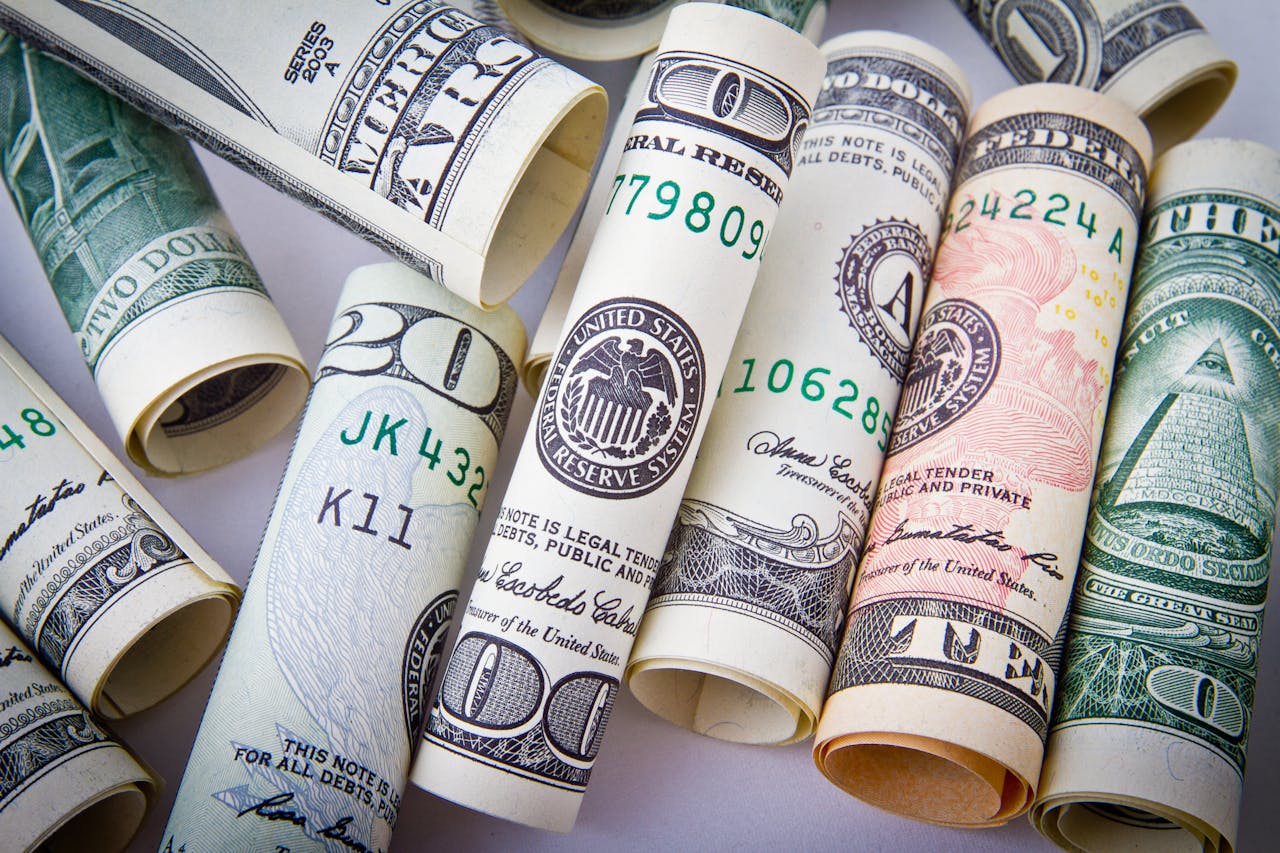
The U.S. dollar traded steadily near a two-week high as Asian markets opened on Tuesday, supported by easing geopolitical concerns and renewed risk-taking sentiment on Wall Street. Investors appeared less alarmed by recent U.S. military actions in Venezuela, while dovish signals from Federal Reserve officials reduced demand for traditional safe-haven assets and pressured the greenback.
The dollar index, which tracks the U.S. currency against six major peers, was last seen at 98.36, up 0.04%. This modest gain came after the index snapped a four-day winning streak in the previous session. According to market participants, geopolitical risks have taken a back seat in the near term, diminishing safe-haven flows into the U.S. dollar. Rodrigo Catril, a currency strategist at National Australia Bank, noted that reduced concern over geopolitical developments has weakened demand for safe assets and left the dollar slightly on the back foot.
Global markets experienced volatility following the dramatic weekend developments in Venezuela, where President Nicolas Maduro was ousted and later pleaded not guilty to narcotics charges in a New York federal court. These events triggered sharp movements in commodity markets, which in turn influenced commodity-linked currencies. The Australian dollar slipped 0.1% to $0.6713, retreating from the upper end of its recent trading range despite copper prices hitting record highs. The New Zealand dollar also eased 0.1% to $0.5784.
In contrast, the U.S. dollar strengthened against the Japanese yen, rising 0.2% to 156.72 yen, reflecting reduced demand for the yen as a safe-haven currency. The dollar was under pressure earlier after dovish remarks from Minneapolis Federal Reserve President Neel Kashkari, who warned of potential weakness in the U.S. labor market. His comments slightly increased expectations of future policy easing, although Fed funds futures still suggest an 82.8% probability that interest rates will remain unchanged at the Federal Reserve’s January meeting.
Further weighing on the dollar, U.S. manufacturing data showed activity contracting more than expected in December, hitting a 14-month low. Despite this, analysts believe overall U.S. economic growth remains resilient. Elsewhere, the euro dipped 0.1% to $1.1713, the British pound fell 0.1% to $1.3533, and the dollar was flat against the offshore Chinese yuan at 6.983. In the crypto market, Bitcoin edged down 0.2% to $93,900, while Ether slipped 0.4% to $3,226.







