


 Asian Stocks Fall as Bond Yields Surge Ahead of Trump-Xi Summit
  Soybean Futures Slip as Traders Await Trump-Xi Trade Signals
  Australia Unemployment Hits Five-Year High Despite Strong Jobs Growth
  Asian Currencies Mixed as Dollar Holds Near Two-Month High
  Wall Street Falls as Treasury Yields Surge, Oil Rebounds on Iran Tensions
  Russian Envoy Dmitriev Heads to US for Ukraine Talks
  South Korea, US Discuss Warship Building Cooperation
  Dollar Hits Two-Month High as Fed Rate Hike Bets Rise
  Oil Prices Jump 3% as Houthi Attack Revives Supply Fears
  Japan Private-Sector Growth Slows as Domestic Demand Weakens
  European Stocks Fall as Bond Yields and Geopolitical Risks Weigh
  US 10-Year Treasury Yield at 6% Emerges as New Market Risk Threshold
  Oil Prices Ease as Iran Tensions Clash With Diplomacy Hopes
  US Stock Futures Fall as Treasury Yields Surge Ahead of Trump-Xi Summit
  Mexico-US Trade Talks Delayed to October as Tariff Negotiations Continue
  China’s ‘Lipstick King’ Says AI Won’t Replace Livestream Hosts
  U.S. 10-Year Treasury Yield Hits 2007 High as Fed Rate Hike Bets Rise


 Add as a preferred source on Google
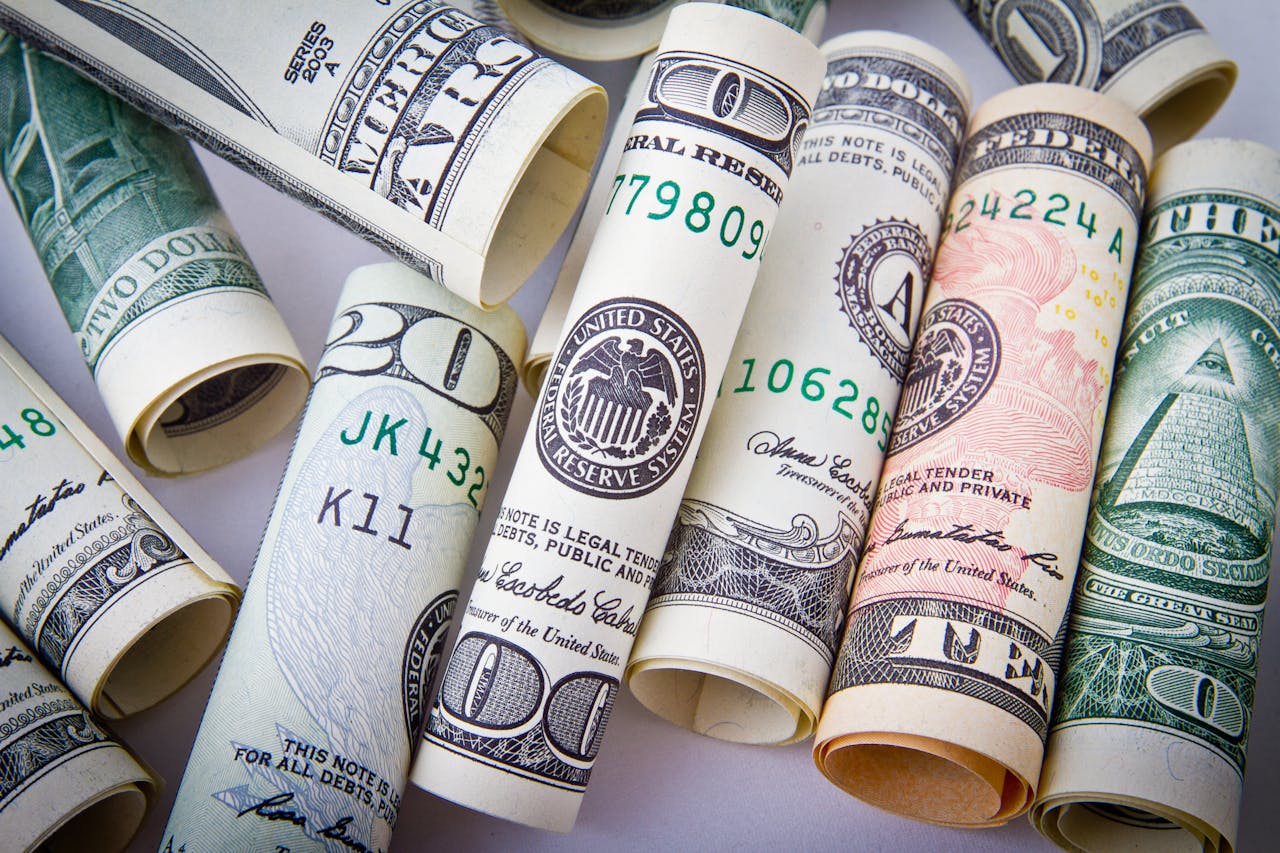
The U.S. dollar strengthened on Monday as investors turned to safe-haven assets amid renewed geopolitical uncertainty in the Middle East. Demand for the greenback increased after Iran announced it was suspending indirect negotiations with the United States following recent military strikes and escalating regional tensions.
Market sentiment was affected by reports that Iran had halted communication through mediators, citing military actions involving both the United States and Israel. Concerns also intensified after Tehran signaled potential restrictions on the Strait of Hormuz, one of the world's most important energy shipping routes. Any disruption in this region could significantly impact global oil and natural gas supplies, fueling inflation and economic uncertainty.
Despite the heightened tensions, President Donald Trump sought to reassure markets by stating that discussions with Iran were continuing and that a planned Israeli military operation in Beirut would not proceed. His comments helped ease some investor concerns, although uncertainty surrounding the negotiations remained.
The U.S. Dollar Index climbed 0.3% to 99.20, extending gains after posting a nearly 1% increase in May. The euro weakened against the dollar, while the British pound remained relatively stable. Meanwhile, the Japanese yen declined, pushing the USD/JPY pair closer to the psychologically important 160 level, a threshold that could attract intervention from Japanese authorities.
Investors are also closely watching expectations for interest rate policy. Rising energy prices and inflation concerns have increased speculation that central banks, including the Federal Reserve, may maintain higher interest rates for longer. These expectations contributed to a global bond market sell-off during May and supported the dollar’s recent strength.
Attention now shifts to upcoming U.S. economic data, particularly the May nonfarm payrolls report. Strong labor market performance and resilient economic growth could reinforce expectations for tighter monetary policy. Recent manufacturing data also pointed to continued expansion in the U.S. economy, suggesting that growth remains on solid footing despite geopolitical risks and global market volatility.







