


 Russian Strikes Kill Eight Across Ukraine as Energy Sites Hit
  Macron Challenges Trump’s Gaza Peace Claims at UN
  Sudan Rejects US Legitimacy Remarks, Defends Sovereignty
  Netanyahu Takes Aim at Mamdani as Israel Election Nears
  Kremlin Says No Grounds Yet for Ukraine Peace Talks
  Zelenskiy Warns Russia Preparing Major Attack on Ukraine
  US Officials Split Over Response to Israeli West Bank Settlements
  South Korea, US Discuss Warship Building Cooperation
  Europe Warns Russia Is Escalating Hybrid Attacks Across NATO
  Russian Missile and Drone Attack on Kyiv Kills Two, Damages Maternity Hospital
  Ghana Says Western Support Growing for Slave Trade Reparations
  Mexico-US Trade Talks Delayed to October as Tariff Negotiations Continue
  China Tightens Fentanyl Rules Ahead of Trump-Xi Summit
  Russian Envoy Dmitriev Heads to US for Ukraine Talks
  Trump Board of Peace Unveils $2.45 Billion Gaza Recovery Plan
  Iran Vows ‘Crushing’ Response as US Talks Continue
  Lula and Flavio Bolsonaro Tied in Brazil Runoff Poll


 Add as a preferred source on Google
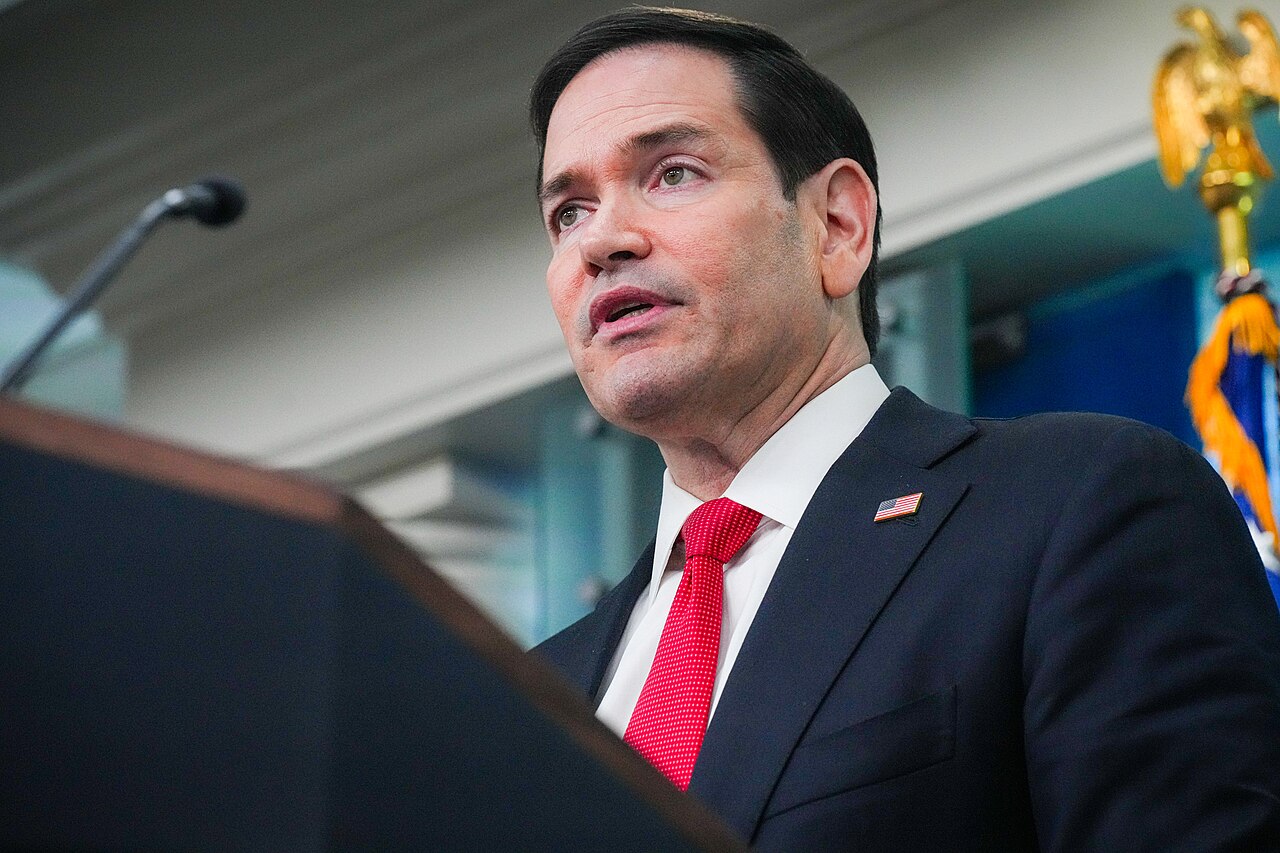
The United States has intensified its efforts against organized crime in Latin America by designating Brazil’s two largest criminal groups, Primeiro Comando da Capital (PCC) and Comando Vermelho (CV), as Specially Designated Global Terrorists (SDGTs). The announcement was made on Thursday by U.S. Secretary of State Marco Rubio, signaling Washington’s growing focus on transnational criminal organizations linked to drug trafficking and regional violence.
According to Rubio, the U.S. government plans to formally classify PCC and Comando Vermelho as Foreign Terrorist Organizations (FTOs) beginning June 5, 2026. The move would place the Brazilian gangs alongside other groups considered threats to U.S. national security and could expand the legal tools available to American authorities in combating their operations.
The decision has raised concerns in Brazil, where President Luiz Inácio Lula da Silva’s administration has reportedly sought to avoid such a designation. Brazilian officials worry that an FTO classification could create legal grounds for broader U.S. actions, including potential sanctions targeting financial institutions that unknowingly conduct business with individuals connected to the gangs. Some policymakers have also expressed concerns about the implications for national sovereignty and security cooperation.
Rubio described PCC and Comando Vermelho as among the most violent criminal organizations operating in Brazil. He noted that their influence extends far beyond the country’s borders, reaching multiple nations across Latin America and affecting criminal networks within the United States.
The U.S. State Department’s designation as Specially Designated Global Terrorists allows authorities to target assets, financial transactions, and support networks linked to the groups. The measure is intended to disrupt funding channels and limit the organizations’ ability to operate internationally.
“The Trump Administration will continue to use all available tools to protect our nation and our national security interests,” Rubio said, emphasizing efforts to curb illicit drug trafficking and dismantle the financial infrastructure supporting violent narco-terrorist groups.
The designation marks a significant development in U.S.-Brazil relations and highlights Washington’s increasing use of counterterrorism tools against major transnational criminal organizations.







