


 SpaceX President Gwynne Shotwell Earns $85.8M as IPO Buzz Grows
  DeepSeek V4 Launch Signals China’s Growing AI Independence with Huawei Chips
  Elon Musk Signals Intel 14A Chips for Tesla’s Terafab AI Semiconductor Venture
  Amazon Expands AI Bet with Up to $25 Billion Investment in Anthropic
  Microsoft Commits $18 Billion to Expand AI and Cloud Infrastructure in Australia
  Kia Cuts EV Prices in Europe as Chinese Carmakers Intensify Competition
  $16B Michigan Data Center Project Boosts U.S. AI Infrastructure Expansion
  PLS Reports Record Lithium Output as EV Demand Fuels Market Growth
  U.S. Budget Airlines Seek $2.5 Billion Government Aid Amid Rising Jet Fuel Costs
  SMC Corp Stock Surges as Palliser Capital Pushes for Major Share Buyback
  Judge Dismisses Elon Musk’s Fraud Claims Against OpenAI, Trial to Proceed on Remaining Allegations
  Tesla Earnings Beat Expectations as EV Growth Holds Amid Robotics and AI Shift
  John Ternus Signals Apple’s Future with Product-First AI Strategy
  DeepSeek Slashes AI Model Pricing to Boost Adoption and Challenge Global Rivals
  U.S. Warns Allies Over Alleged Chinese AI IP Theft Linked to DeepSeek
  U.S. Raises Alarm Over Chinese AI Firms’ Alleged IP Theft Through Model Distillation
  Why Global Web3 Projects Can't Afford to Skip South Korea: TokenPost Unveils Data-Driven Entry Solutions


Demand for alternative satellite services in the United States continues to grow, even as SpaceX pushes regulators to tighten market access for foreign competitors. According to Eutelsat CEO Jean-Francois Fallacher, U.S. businesses and the Department of Defense (DoD) are actively seeking diverse satellite solutions to ensure reliability and operational resilience.
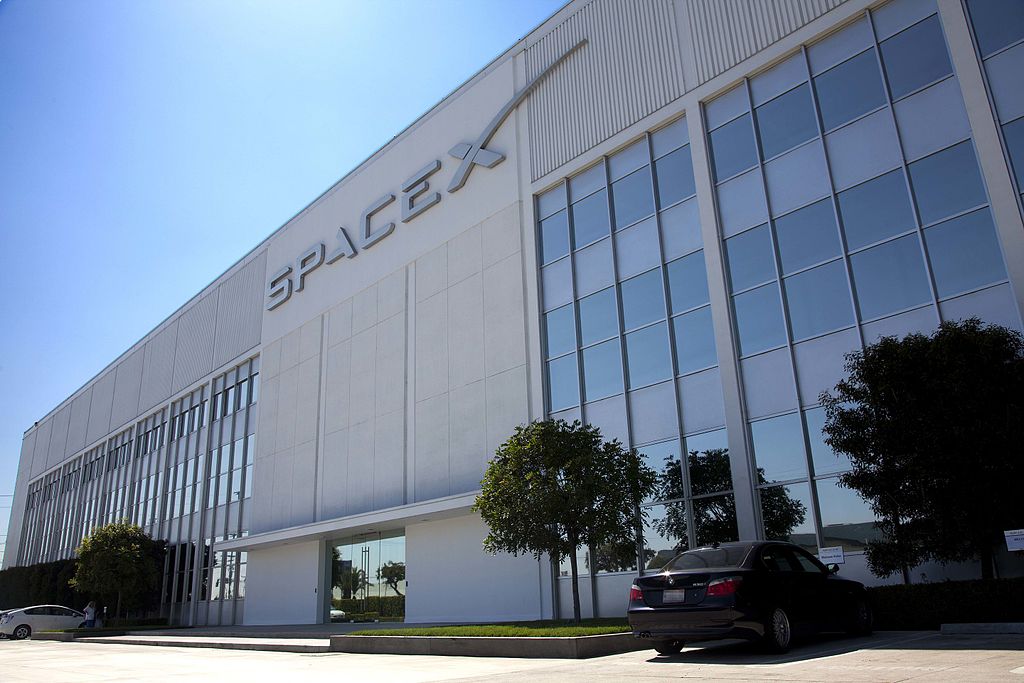
SpaceX recently submitted a letter to the Federal Communications Commission (FCC) on April 16, urging restrictions on foreign satellite operators whose home countries impose limitations on U.S. companies. The company specifically referenced Luxembourg-based SES as benefiting from access to the U.S. market, while also criticizing proposed European regulations such as the EU Space Act and Digital Networks Act. SpaceX argues these policies could create barriers for American satellite firms operating in Europe.
Despite these developments, Eutelsat remains confident in its position as a leading European satellite operator and a key competitor to SpaceX’s Starlink. Backed by both French and British governments, the company continues to provide satellite communication services across commercial, government, and military sectors. Although Eutelsat experienced a slowdown in some Pentagon contract renewals last year due to broader U.S. government spending cuts, overall demand has not declined.
Fallacher emphasized that American clients value redundancy and reliability, driving continued interest in alternative satellite providers. Eutelsat delivers services to the U.S. Department of Defense through a proxy arrangement, ensuring compliance with regulatory requirements while maintaining a strong presence in the market. He noted that both private enterprises and defense agencies are actively exploring multiple satellite options to avoid dependence on a single provider.
In addition, Eutelsat is expanding its partnerships by engaging with governments and commercial clients in the U.S. and globally. The company is currently in discussions to host Earth observation and communication payloads on its satellite network, further strengthening its competitive edge.
As geopolitical dynamics and regulatory frameworks evolve, the satellite communications industry is becoming increasingly competitive. However, strong U.S. demand for reliable and diversified satellite services suggests that international operators like Eutelsat will continue to play a vital role in the global space economy.







