


 Samsung Q3 Profit Hits Record High on AI Memory Demand
  Oracle Uses Trucked Natural Gas to Power AI Data Centers Amid Pipeline Delays
  Anthropic Launches Claude Dashboards and Motion AI Tools
  TSMC Q3 Revenue Beats Estimates as AI Chip Demand Surges
  Apple Cuts iPhone 18 Pro Production Orders Amid Weak Demand
  Trump Buys Up to $25M in Meta Stock, Invests in SpaceX Debt
  Zcash Privacy Demand Rises as AI Exposes Bitcoin Transactions
  TikTok Accused of Testing Fake Safety Tools on Users
  Zcash Plans Quantum-Resistant Security Upgrade for January
  Rapidus Seeks Chip Customers as Japan Pushes 2nm Semiconductor Revival
  Apple Names Steve Smith M&A Chief in Leadership Shakeup
  Robinhood Chain Eyes Priority Gas Auctions for Faster Trades
  OpenAI Annualized Revenue Hits $50 Billion, Below Earlier Estimates
  Morgan Stanley Raises Coinbase Stock Price Target to $258 Ahead of Earnings
  Disney Expands Infinity Vision to Challenge Imax
  JPMorgan CEO Jamie Dimon Warns Mythos AI Raises Cyber Risk Tenfold
  DWF Labs Sues BitGo for $114 Million Over Alleged Token Sales Breach


 Add as a preferred source on Google
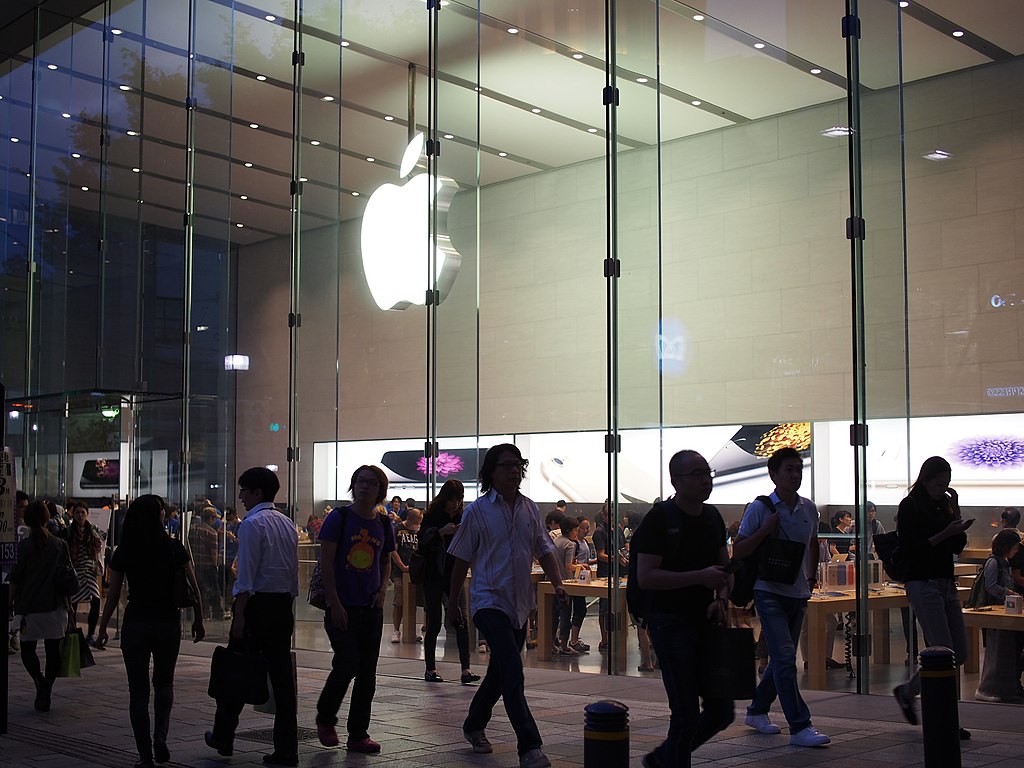
Apple’s incoming CEO John Ternus is already shaping expectations for the company’s future, and his stance on artificial intelligence reveals a clear direction. Unlike competitors such as Microsoft and Google, which are investing heavily in AI across their ecosystems, Ternus is taking a more measured, product-focused approach. Rather than prioritizing AI as a standalone technology, he emphasizes using it to enhance Apple products and improve user experience.
In a recent interview, Ternus explained that Apple does not aim to “ship a technology” for its own sake. Instead, the company focuses on integrating innovations like AI into devices in ways that deliver meaningful value to customers. This philosophy aligns closely with Apple’s long-standing product-first strategy and echoes the leadership style of co-founder Steve Jobs, who believed technology should serve the user experience—not define it.
As Ternus prepares to succeed Tim Cook on September 1, his leadership comes at a pivotal moment. Apple has faced criticism over delays in upgrading Siri and its reliance on external partners like Google for AI capabilities. Meanwhile, competitors such as Samsung, Meta, and OpenAI are aggressively pushing AI-driven platforms, including smart glasses and advanced assistants, raising questions about Apple’s long-term AI strategy.
Despite these concerns, Apple’s core business remains strong. iPhone sales continue to perform well, and Ternus brings decades of experience in hardware innovation. A 25-year Apple veteran, he has played a key role in developing major products like the iPad, AirPods, and Mac lineup. His leadership was especially evident during Apple’s transition from Intel processors to its own silicon chips, a move that significantly improved performance and battery life.
Known for his attention to detail and collaborative leadership style, Ternus is widely respected within Apple. Analysts note that his ability to balance innovation with practicality could define Apple’s next era. As AI reshapes the tech landscape, Ternus’ product-driven vision may determine whether Apple can maintain its competitive edge while staying true to its design philosophy.







