


 Trump Says Iran Should Surrender as Nuclear Deal Talks Stall
  Trump Pauses 50% Canada Tariffs for Three Days as U.S. Trade Deal Takes Shape
  Migrants in Spain’s Ceuta Protest for Asylum, Refuse Return to Morocco
  Trump Says Iran Talks Halted as Hormuz Dispute Pushes Oil Higher
  Lula Targets Brazil’s Gig Workers as Reelection Battle Takes Shape
  Trump Orders Reduction in U.S.-South Korea Military Drills, Citing Kim Jong Un Ties
  Trump Envoys Hold Gaza Peace Talks in Cairo as Israeli Strikes Continue
  Canada Faces 50% U.S. Tariffs as Trade Tensions Threaten USMCA Talks
  Israeli Troops Enter Qusra Homes as Settler Siege Intensifies
  US CENTCOM Chief Praises USS Abraham Lincoln Crew Amid Mental Health Concerns
  Pentagon Weighs Permanent U.S. Military Drawdown in Persian Gulf
  US Admiral Visits USS Abraham Lincoln as Carrier Prepares to End Deployment
  Erdogan Urges Trump to Resume Iran Talks, Offers Turkey’s Support for Peace Efforts
  South Korea’s Lee Calls for Stronger Defence as US Eyes Reduced Joint Drills
  US Weighs New Sanctions Against Brazil Supreme Court Justice Alexandre de Moraes
  DNC Makes South Carolina First in 2028 Democratic Primaries
  AMLO’s Son Says U.S. Revoked His Visa


 Add as a preferred source on Google
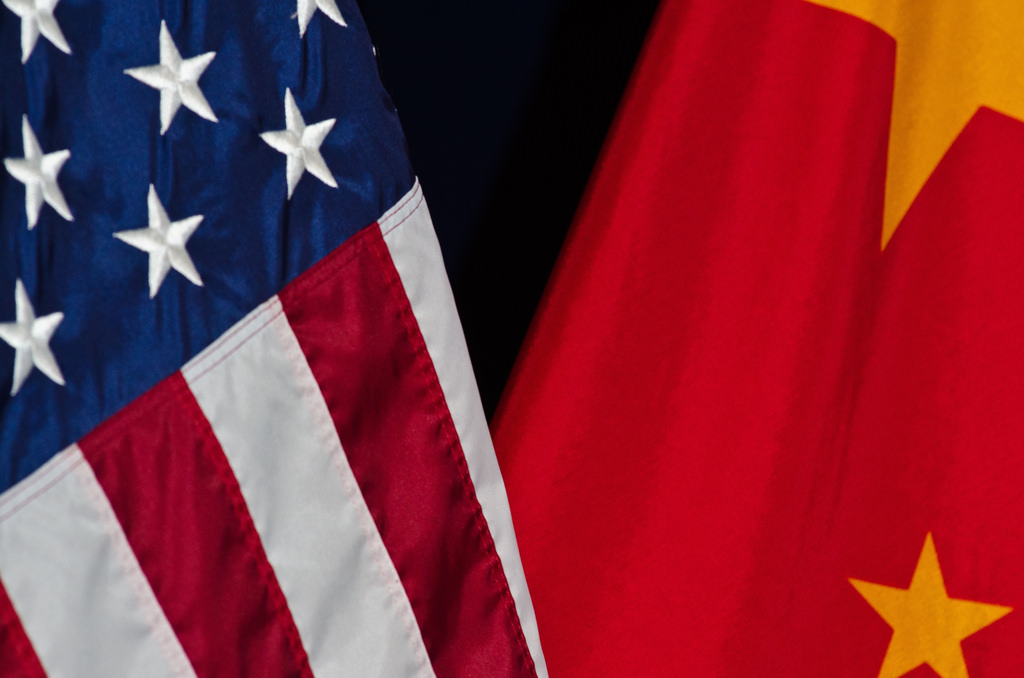
A potential military conflict between the United States and China over Taiwan could escalate into a nuclear confrontation, according to a new report released by the International Institute for Strategic Studies (IISS). The warning comes ahead of the Shangri-La Dialogue 2026 in Singapore, Asia’s largest annual defense and security summit.
The London-based defense think tank said the Asia-Pacific region is becoming the center of a new global nuclear arms race as countries expand nuclear arsenals and strengthen long-range strike capabilities. The report highlighted rising tensions over Taiwan, growing uncertainty surrounding U.S. security commitments in the region, and increasing military competition between Washington and Beijing.
The IISS assessment noted that both the U.S. and China would likely conduct large-scale military operations targeting each other’s command, communications, intelligence, surveillance, and reconnaissance systems in the event of a Taiwan conflict. Analysts warned that attacks on these critical military networks could significantly increase the risk of nuclear escalation.
China continues to claim Taiwan as part of its territory and has not ruled out the use of force to achieve reunification. However, Beijing has repeatedly stated it prefers peaceful reunification. Taiwan’s government strongly rejects China’s sovereignty claims and has remained on high alert due to increased Chinese military activity near the island.
The report also raised concerns about the lack of clear “guard rails” or rules of engagement between the U.S. and Chinese militaries to prevent unintended escalation during a crisis. According to the IISS, the absence of these safeguards makes any direct military confrontation especially dangerous.
The Shangri-La Dialogue, running from May 29 to 31 in Singapore, is expected to focus heavily on Taiwan security, regional defense strategies, and nuclear stability in the Indo-Pacific. U.S. Defense Secretary Pete Hegseth is scheduled to speak at the conference, while China has yet to confirm whether Defense Minister Dong Jun will attend.
Although the United States and Russia still possess the world’s largest nuclear stockpiles, China is rapidly expanding its nuclear capabilities. A Pentagon report published in late 2025 estimated that China could deploy around 1,000 nuclear warheads by 2030. Current estimates from the Federation of American Scientists place active warhead totals at approximately 4,400 for Russia, 3,700 for the United States, and 620 for China.
Defense analysts say the growing military competition in the Indo-Pacific could reshape global security dynamics for years to come, with Taiwan remaining one of the most dangerous geopolitical flashpoints in the world.







