


 Mexico-US Trade Talks Delayed to October as Tariff Negotiations Continue
  Netanyahu Takes Aim at Mamdani as Israel Election Nears
  Trump Asks Supreme Court to Restore Third-Country Deportations
  France Defends Netanyahu Airspace Clearance Despite ICC Warrant
  Europe Warns Russia Is Escalating Hybrid Attacks Across NATO
  Ghana Says Western Support Growing for Slave Trade Reparations
  US Senate Rejects Iran War Powers Resolution in 50-49 Vote
  Sudan Rejects US Legitimacy Remarks, Defends Sovereignty
  US Invites Putin to Miami G20, Opening Door to Trump Summit
  Netanyahu Defends Israel at UN as Delegates Stage Walkout
  NATO Boosts Intelligence Sharing Amid Russia Hybrid Threats
  Netanyahu’s Brief US Trip Highlights Strains With Trump
  Gaza Faces Evacuation Crisis as War-Damaged Buildings Risk Collapse
  US Officials Split Over Response to Israeli West Bank Settlements
  Russian Missile and Drone Attack on Kyiv Kills Two, Damages Maternity Hospital
  Trump, Xi Focus on Trade and AI at White House Summit
  Kremlin Says No Decision Yet on Putin-Trump December Summit


 Add as a preferred source on Google
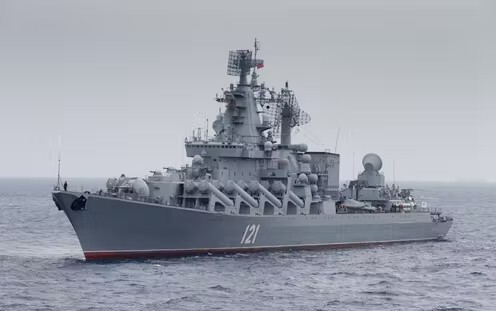
In a surprising diplomatic move, the U.S. reached separate agreements with Ukraine and Russia to pause attacks on energy infrastructure and maritime targets. These deals, the first formal commitments since President Donald Trump took office, aim to reduce Black Sea tensions and explore broader ceasefire prospects.
The U.S.-Russia deal goes further than the one with Ukraine, with Washington agreeing to push for the easing of sanctions on Russian agricultural and fertilizer exports—a long-standing Kremlin demand. However, Russia insists that key banks must regain access to the SWIFT system before the maritime truce can begin. Ukraine, on the other hand, claims the deals are effective immediately and accused Moscow of manipulating the terms.
Both Kyiv and Moscow remain wary, each accusing the other of recent drone attacks. Ukrainian President Volodymyr Zelenskiy warned he would seek harsher sanctions and more weapons from Trump if Russia violated the agreement. Trump acknowledged delays by Russia but remained optimistic, calling the truce a step toward ending the war.
The deals were finalized following U.S.-led talks in Saudi Arabia, after phone calls between Trump, Zelenskiy, and Putin. Trump’s push for a 30-day ceasefire was rejected by Russia, although Ukraine supported it. Despite skepticism from European allies, Trump’s envoy expressed hope for peace and described Putin as not inherently “a bad guy,” drawing criticism from Kyiv’s supporters in Europe.
The truce includes a 30-day halt in attacks on energy infrastructure starting March 18. Ukraine warned that any Russian naval movement beyond the eastern Black Sea would be seen as hostile. Kyiv’s ports, though active again, have suffered frequent airstrikes, which the new deal is intended to prevent. Still, Russia demands broader sanctions relief before fully committing, putting the agreement’s future in question.







