


 Dollar Hits Two-Month High as Fed Rate Hike Bets Rise
  Gold Drops Over 1% as Dollar, Treasury Yields Surge on Fed Rate Hike Bets
  NATO Boosts Intelligence Sharing Amid Russia Hybrid Threats
  US Officials Split Over Response to Israeli West Bank Settlements
  South Korea, US Discuss Warship Building Cooperation
  Asian Currencies Mixed as Dollar Holds Near Two-Month High
  Japan Private-Sector Growth Slows as Domestic Demand Weakens
  Russian Envoy Dmitriev Heads to US for Ukraine Talks
  Wall Street Ends Flat as Oil, Treasury Yields and Fed Jitters Rattle Markets
  Trump, Xi Focus on Trade and AI at White House Summit
  Ghana Says Western Support Growing for Slave Trade Reparations
  US Invites Putin to Miami G20, Opening Door to Trump Summit
  US Stock Futures Fall as Treasury Yields Surge Ahead of Trump-Xi Summit
  Trump Asks Supreme Court to Restore Third-Country Deportations
  US Backs Musk in Fight Against EU’s €120 Million X Fine
  Europe Warns Russia Is Escalating Hybrid Attacks Across NATO
  Australia Unemployment Hits Five-Year High Despite Strong Jobs Growth


 Add as a preferred source on Google
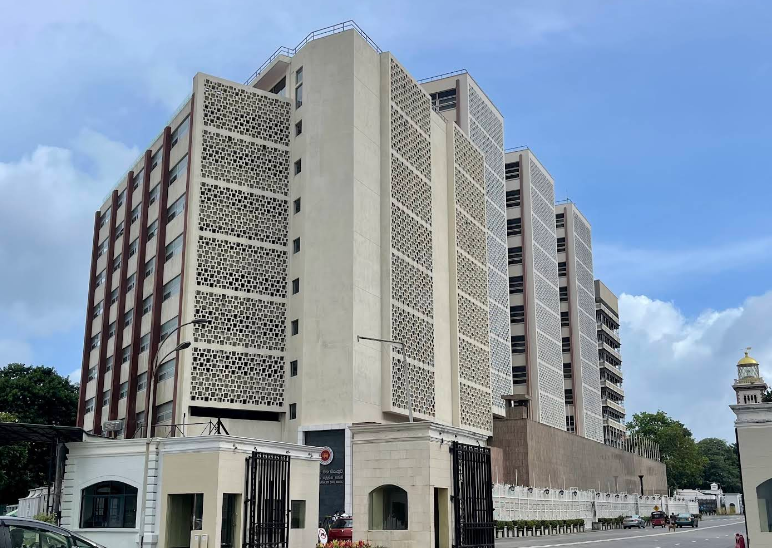
Sri Lanka's tourism industry was hoping 2025 would finally mark a full recovery from years of economic hardship. Instead, the outbreak of war involving Iran sent oil prices surging 40%, forcing the government to raise fuel prices by 35% — dealing yet another blow to businesses that were just beginning to stabilize.
Tour operator Sanoj Weeratunge, based in Colombo, watched his bookings drop nearly a third. "We were very hopeful this would finally be the year we reach pre-COVID levels," he said. "But now this economic shock will affect us."
Sri Lanka is not alone. Pakistan, Egypt, and other lower-income, import-dependent nations are feeling the ripple effects of the Middle East conflict. These countries rely heavily on energy imports, and the sudden price spike is widening their current account deficits, draining foreign reserves, and weakening local currencies. Egypt's pound has already fallen more than 10% since the conflict began.
For Pakistan, the strain is mounting quickly. Gross foreign reserves stand at just $16.4 billion — insufficient to cover three months of essential imports. Petrol prices have been raised twice, schools were closed for weeks, and government offices moved to a four-day workweek. A looming $3.5 billion loan repayment to the UAE adds further pressure to an already fragile financial situation.
Egypt faces its own set of challenges, including a potential hit to its $19 billion tourism sector, reduced Suez Canal activity, and about $30 billion in upcoming debt payments — exceeding half of the country's foreign exchange reserves.
The International Monetary Fund has signaled readiness to deploy between $20 billion and $50 billion in emergency assistance. Finance officials from affected nations are expected to press for relief at the upcoming IMF and World Bank spring meetings in Washington.
For ordinary citizens, the daily reality is already harsh. A Sri Lankan tuk-tuk driver and father of three summed it up plainly: "It's very difficult to live."







