


 Russian Missile and Drone Attack on Kyiv Kills Two, Damages Maternity Hospital
  South Korea, US Discuss Warship Building Cooperation
  Trump Asks Supreme Court to Restore Third-Country Deportations
  NATO Boosts Intelligence Sharing Amid Russia Hybrid Threats
  Mexico-US Trade Talks Delayed to October as Tariff Negotiations Continue
  US Senate Rejects Iran War Powers Resolution in 50-49 Vote
  North Korea Warns South Korea Over US-Led Defense Role
  Judge Orders Trump to Restore White House Access for CNN, MS NOW and Politico
  Netanyahu’s Brief US Trip Highlights Strains With Trump
  Najib Razak Seeks Stay of 15-Year 1MDB Prison Sentence
  Ukrainian Drone Attacks Hit Russian Regions, Injuring at Least 12
  Trump, Xi Visit US National Archives After White House Summit
  Xi Calls for Deeper U.S.-China AI Cooperation in Trump Talks
  Yemen Violence Displaces 130,000 as Civilian Toll Rises
  Kremlin Says No Decision Yet on Putin-Trump December Summit
  Netanyahu Takes Aim at Mamdani as Israel Election Nears
  US Backs Musk in Fight Against EU’s €120 Million X Fine


 Add as a preferred source on Google
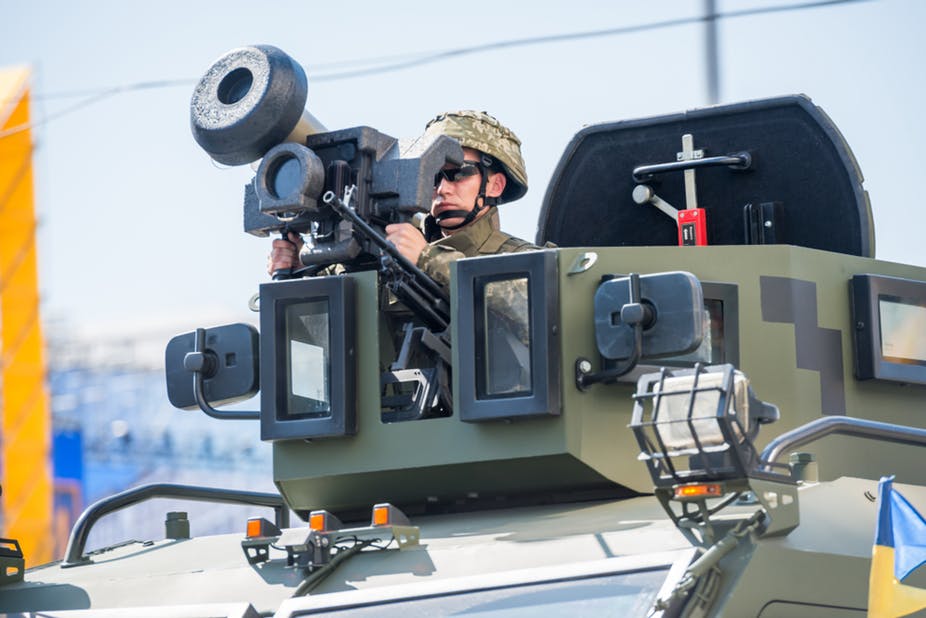
The United States has approved a major defense sale to India involving the Javelin anti-tank missile system and Excalibur guided artillery munitions valued at $93 million, according to the U.S. Defense Security Cooperation Agency (DSCA). This marks India’s first purchase through Washington’s foreign military sales program since bilateral relations experienced tension in August, when President Donald Trump doubled tariffs on Indian goods to 50% following New Delhi’s continued imports of Russian oil.
The newly approved deal comes shortly after India placed another order for General Electric fighter jet engines to support the expansion of its indigenous Tejas combat aircraft fleet. The DSCA emphasized that the proposed sale aligns with U.S. foreign policy and national security goals, reinforcing the strategic partnership between Washington and New Delhi. Strengthening India’s defense capabilities, the agency noted, contributes to political stability and economic progress across the Indo-Pacific and South Asia, regions where both nations share long-term security interests.
India’s request includes up to 216 Excalibur tactical artillery projectiles and 100 units of the Javelin anti-tank missile system. The Indian Army already deploys Excalibur precision-guided munitions with its M-777 howitzers, enhancing accuracy and effectiveness in diverse combat environments. The acquisition of additional systems is expected to boost India’s operational readiness and support ongoing modernization efforts across its armed forces.
RTX Corp will serve as the principal contractor for the Excalibur projectiles, while the Javelin systems will be supplied through a joint venture between RTX and Lockheed Martin. Both defense manufacturers play significant roles in U.S. military exports and long-standing cooperative programs with allied nations.
This approved sale underscores the strengthening defense ties between the United States and India, reflecting a growing emphasis on collaborative security, advanced technology transfers, and shared strategic priorities amid shifting geopolitical dynamics in the Indo-Pacific.







