


 Oil Prices Jump Nearly 3% as Iran Holds Firm on Hormuz Conditions
  US Stocks Slip as Treasury Yields Ease, AI Trade Rebounds
  Asian Stocks Fall as Oil Surge, Bond Yields and AI Concerns Hit Markets
  Asian Currencies Mixed as Yen Weakens, RBA Hike Looms
  Nvidia China Chip Sales Report Sends Chinese Semiconductor Stocks Lower
  Trump Eyes $54 Billion South Korean Investment in Alaska LNG
  Japan Factory Output Unexpectedly Falls 1.7% in August
  China Cuts Tariffs on U.S. Farm Goods but Excludes Soybeans
  US Alcohol Ban Exposes Canada’s Internal Trade Barriers
  RBA Hikes Interest Rate to 4.60% as Inflation Risks Rise
  Fed’s Williams Signals One More Rate Hike Before Year-End
  US Dollar Hits Two-Month High as Aussie, Pound Slide
  Gold Holds Near Seven-Week Low as Fed Rate Hike Bets Rise
  South Korea Exports Set for 16th Monthly Gain on AI Chip Demand
  Asian Stocks Rise as Bond Yields Ease Ahead of U.S. Inflation Data
  Gold Rebounds as Oil Falls and Treasury Rout Eases


 Add as a preferred source on Google
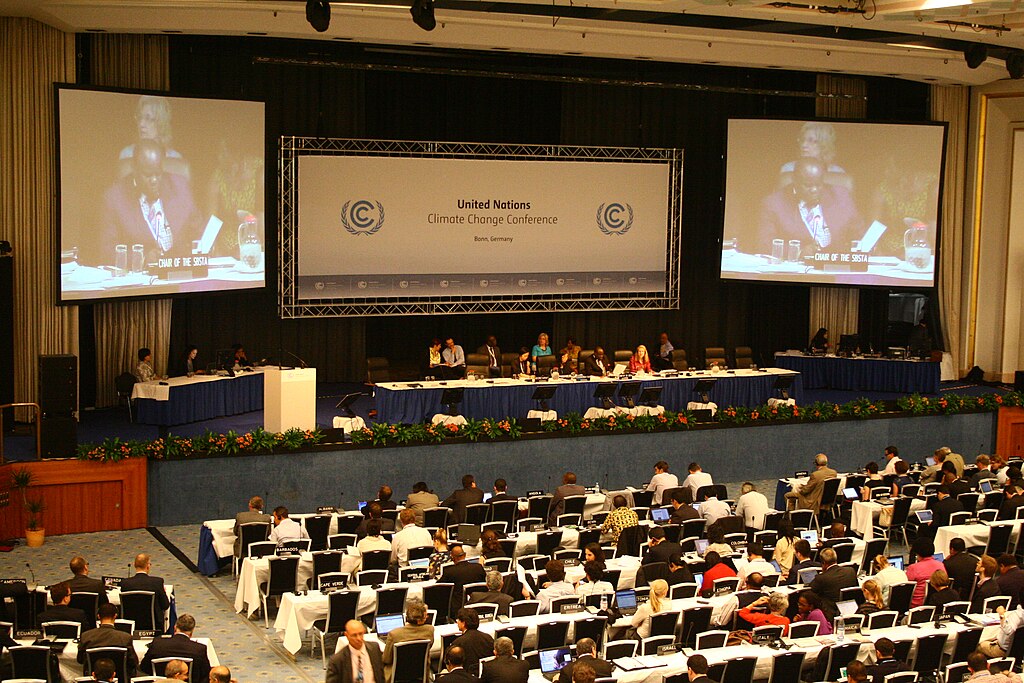
UNFCCC Budget Shortfall: A Threat to Global Climate Negotiations
The United Nations Framework Convention on Climate Change (UNFCCC) is currently facing a budget shortfall of at least €57 million ($61.53 million) for 2024, according to a recent Reuters analysis. This funding gap jeopardizes international climate dialogues and the implementation of agreements among nearly 200 member countries.
Budget Overview
The UNFCCC's total budget for 2024-2025 is set at €240 million, half of which is allocated for this year. The budget comprises a core fund, a supplementary fund supported by voluntary donations, and a fund to assist delegates from developing nations. While countries like Japan and Germany have exceeded their payment obligations, the U.S. and China—two of the largest greenhouse gas emitters—have yet to fulfill theirs, with contributions due annually on January 1.
Impacts of the Shortfall
The budget crisis has forced the UNFCCC to curtail its activities, including reducing operational hours and canceling regional climate events that previously attracted substantial investment pledges. A spokesperson acknowledged that resources are increasingly stretched, hampering efforts to support vulnerable nations and maintain effective climate negotiations.
Delayed Contributions and Consequences
As of October, the UNFCCC had only received €63 million ($68 million) of the required funds for 2024. Although the U.S. and China have indicated they will meet their obligations, their contributions alone will not bridge the budget gap. Diplomatic sources express concern that this funding deficit could undermine critical climate actions and negotiations, particularly at the upcoming COP29 summit in Baku, Azerbaijan.
Conclusion
The UNFCCC's ability to facilitate global climate action is at risk without timely contributions from member nations. Strengthening financial commitments is essential to ensure effective dialogue and meaningful progress in the fight against climate change.







