


 U.S. Envoy Warns Taiwan Conflict Could Devastate Global Economy
  Russian Drone Strike on Sumy Shopping Centre Kills Two
  Trump Promises $5,000 Dividend if Republicans Win Midterms
  U.S. Accuses Chinese AI Firms of Extracting Model Capabilities
  Australia Defends Social Media Algorithm Law Amid US Concerns
  Xi, Putin Reaffirm Ties With North Korea on Founding Anniversary
  Iran Strikes U.S.-Used Jordan Base as Gulf War Escalates
  US Judge Dismisses Imran Ahmed Deportation Lawsuit
  US Bans Canadian Alcohol, Motorcycles as Trade War Escalates
  Trump Administration Removes Confederate Memorial Criticism From Arlington Website
  Trump Threatens Bombardier U.S. Sales Ban
  Trump Expects Iran War to End After U.S. Midterms
  FDA Names Permanent Drug and Biologics Center Chiefs
  Trump Hails AfD Election Win, Blames Germany Immigration Rules
  Israel Orders UK East Jerusalem Consulate Closure
  US Grant Program Excludes French Groups Ahead of 2027 Election
  Chris Hipkins Targets Cost-of-Living Relief in New Zealand Election


 Add as a preferred source on Google
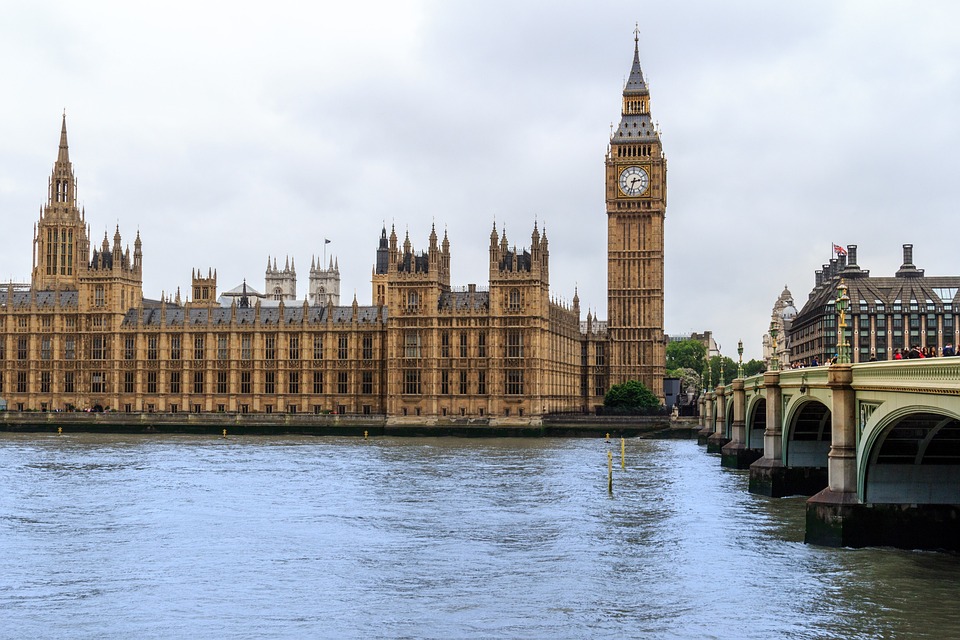
A court in London dismissed a legal challenge filed by an Uyghur rights group against the British government over the import of cotton produced in China’s Xinjiang province. The court found that the government’s approach to the law regarding the goods was “legally sound.”
Judge Ian Dove dismissed the legal challenge filed by the World Uyghur Congress against the British government on Friday last week. The WUC, made up of exiled Uyghur Muslim groups, took legal action against the United Kingdom’s Home Office, the HMRC, and the National Crime Agency. In a written ruling, Dove said that all legal challenges by the WUC were dismissed.
While Dove acknowledged that there was “clear and undisputed evidence of instances of cotton being manufactured in the XUAR by the use of detained and prison labor as well as by forced labor,” the Home Office’s approach to the law regarding the goods was “legally sound.” Dove also ruled that the stance of the HMRC tax authority and the National Crime Agency’s approach to the law was correct.
Dove referred to the Xinjiang province's initials of its formal name, the Xinjiang Uyghur Autonomous Region.
Rights groups have long accused China of widespread human rights abuses of the Uyghur Muslim minorities, 10 million of which reside in Xinjiang. Such accusations include forced labor camps. Beijing has denied the allegations.
In October, the WUC argued that the Home Office wrongly refused to launch an investigation into imports of foreign prison-made goods. The WUC also argued that the HRMC and the National Crime Agency failed to determine whether cotton imported from Xinjiang amounted to “criminal property.”
Lawyers that represent the British government argued that there must be a clear link between the “alleged criminality and its specific product” to probe into whether goods were made in a foreign prison.
Monday last week, London’s High Court granted permission to a group of migrants seeking asylum to file an appeal to overturn the court’s decision that was in favor of the British government’s planned deportations of migrants to Rwanda. The court upheld the legal challenges filed by eight individual asylum seekers on various grounds, including an appeal arguing that the court was wrong to decide that the forced deportation policy was not “systematically unfair.”







