


 Wall Street Ends Flat as Oil, Treasury Yields and Fed Jitters Rattle Markets
  Dollar Hits Two-Month High as Fed Rate Hike Bets Rise
  U.S. 10-Year Treasury Yield Hits 2007 High as Fed Rate Hike Bets Rise
  Russian Envoy Dmitriev Heads to US for Ukraine Talks
  Fed Unveils Stablecoin Rules Under GENIUS Act
  Mexico-US Trade Talks Delayed to October as Tariff Negotiations Continue
  U.S. Treasury Yields Surge as 30-Year Hits 22-Year High
  European Stocks Fall as Bond Yields and Geopolitical Risks Weigh
  US, China Extend Trade Truce to Jan. 10 Ahead of Trump-Xi Summit
  Asian Stocks Fall as Bond Yields Surge Ahead of Trump-Xi Summit
  Gold Drops Over 1% as Dollar, Treasury Yields Surge on Fed Rate Hike Bets
  Gold Prices Fall as Treasury Yields Rise on Fed Rate Hike Bets
  Oil Prices Surge as U.S.-Iran Diplomacy Hopes Fade
  China’s ‘Lipstick King’ Says AI Won’t Replace Livestream Hosts
  Australia Unemployment Hits Five-Year High Despite Strong Jobs Growth
  Trump, Xi Focus on Trade and AI at White House Summit
  US Dollar Hits Two-Month High as Fed Rate Hike Bets Rise


 Add as a preferred source on Google
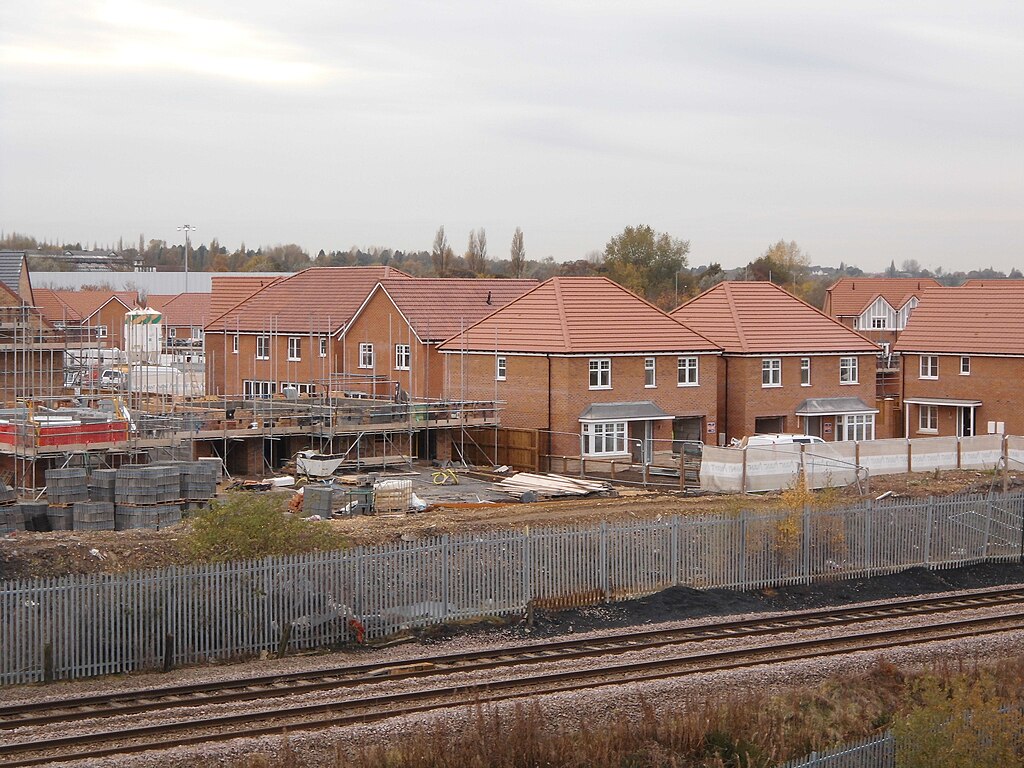
British house prices unexpectedly declined in May, marking the third consecutive monthly drop and signaling a cooling UK housing market as higher borrowing costs and geopolitical uncertainty continue to dampen buyer demand.
According to mortgage lender Halifax, UK house prices fell by 0.1% in May, matching April’s decline and defying economists’ expectations for a 0.1% increase. The latest housing market data highlights growing pressure on affordability as mortgage rates remain elevated despite recent lender rate reductions.
Amanda Bryden, Head of Mortgages at Halifax, said property market trends continue to reflect uncertainty stemming from developments in the Middle East. She noted that although some mortgage rates have eased, rising inflation expectations have kept borrowing costs higher than at the beginning of the year, making it more difficult for many buyers to enter the market.
On an annual basis, UK house prices increased by just 0.5% in May, significantly below analysts’ forecast of 1.0% growth. The weaker-than-expected performance suggests that housing demand remains subdued amid economic uncertainty.
The Halifax report aligns with findings from rival lender Nationwide, which also recorded a monthly decline in house prices during May. Additional data from the Royal Institution of Chartered Surveyors indicated falling property prices and weaker buyer demand in April.
Mortgage rates across Britain have risen by nearly one percentage point since the start of the U.S.-Israeli conflict involving Iran. Financial markets now increasingly expect the Bank of England (BoE) to raise interest rates later in 2026 rather than continue cutting them, adding further pressure to the housing sector.
Investors currently anticipate one or possibly two quarter-point BoE rate increases by the end of 2026. However, markets assign only a small probability to a rate change at the central bank’s upcoming June 18 meeting.
Despite higher borrowing costs, Bank of England data released earlier this week showed that mortgage approvals reached their highest level in 15 months during April, indicating that some buyers remain active in the market even as affordability challenges persist.







