


 Asian Stocks Fall as Surging Bond Yields Rattle Markets
  Gold Holds Near $4,275 as Rising Treasury Yields Fuel Fed Rate Hike Bets
  U.S. Treasury Yields Surge as 30-Year Hits 22-Year High
  Japanese Yen Rebounds as Trump Flags Currency Weakness
  Germany’s 2026 Growth Outlook Strengthens on Fiscal Spending
  Fed Unveils Stablecoin Rules Under GENIUS Act
  Oil Prices Fall on U.S.-Iran Hormuz Deal Hopes
  Fed Unveils Stablecoin Rules Under GENIUS Act
  Soybean Futures Slip as Traders Await Trump-Xi Trade Signals
  UK PM Burnham to Unveil Economic Vision at Labour Conference
  European Stocks Fall as Bond Yields and Geopolitical Risks Weigh
  Mexico-US Trade Talks Delayed to October as Tariff Negotiations Continue
  U.S. Dollar Hits Two-Month High as Oil, Treasury Yields Surge
  Gold Prices Fall as Treasury Yields Rise on Fed Rate Hike Bets
  Asian Stocks Fall as Bond Yields Surge Ahead of Trump-Xi Summit
  Asian Currencies Mixed as Dollar Holds Near Two-Month High
  Oil Prices Jump 3% as Houthi Attack Revives Supply Fears


 Add as a preferred source on Google
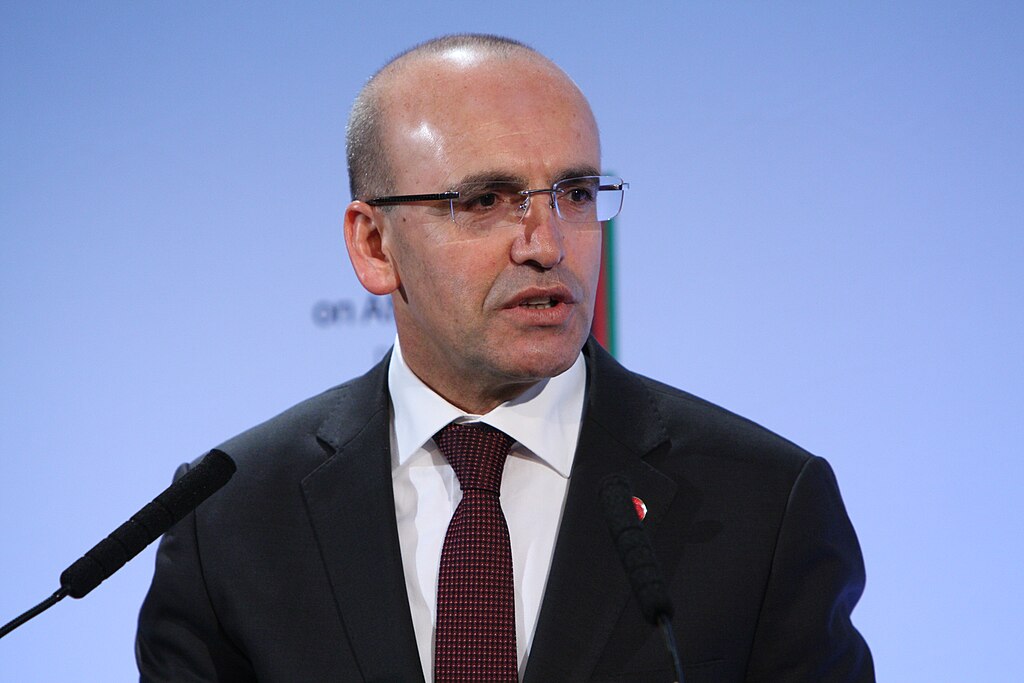
Turkey's Finance Minister Mehmet Simsek said the government will stay the course on its economic program despite recent political tensions and global trade developments. Inflation, which dropped to 38.1% in March from a peak of 75% last May, is projected to land within the central bank’s forecast range of 19% to 29%, with a midpoint target of 24% by year-end.
Simsek emphasized that the recent arrest of Istanbul Mayor Ekrem Imamoglu and U.S. President Donald Trump’s new tariffs add uncertainty, but do not warrant a policy shift. He highlighted that while it's too early to assess the long-term impact of recent market fluctuations, the economic framework remains stable and focused on price stability.
Despite ongoing pressure on lira-denominated assets, Simsek expects limited pass-through effects to inflation due to weak domestic demand. He stated that the government does not foresee major deviations from its economic targets and remains committed to maintaining tight fiscal discipline.
Simsek also projected a stronger current account performance, expecting the deficit to fall below the previously forecasted 2% of GDP. He noted that protectionist trade policies might hinder global growth, but tighter domestic financial conditions are likely to curb imports and help balance external accounts.
On fiscal matters, Simsek reaffirmed a commitment to budget discipline, stating that while tight financial conditions could impact revenues, they would not significantly disrupt the broader economic plan. He concluded that fiscal restraint would support the disinflation process and ensure macroeconomic stability.







