


 Mexico-US Trade Talks Delayed to October as Tariff Negotiations Continue
  Russian Envoy Dmitriev Heads to US for Ukraine Talks
  Gaza Faces Evacuation Crisis as War-Damaged Buildings Risk Collapse
  Trump to Press Xi on Release of US Nuclear Expert Held in China
  China Tightens Fentanyl Rules Ahead of Trump-Xi Summit
  US Officials Split Over Response to Israeli West Bank Settlements
  Europe Warns Russia Is Escalating Hybrid Attacks Across NATO
  Russian Missile and Drone Attack on Kyiv Kills Two, Damages Maternity Hospital
  Trump Administration Plans Faster FDA Reviews for Smoke-Free Nicotine Products
  South Korea, US Discuss Warship Building Cooperation
  Russian Strikes Kill Eight Across Ukraine as Energy Sites Hit
  Taiwan Thanks US for Support Ahead of Trump-Xi Summit
  Sudan Rejects US Legitimacy Remarks, Defends Sovereignty
  Zelenskiy Warns Russia Preparing Major Attack on Ukraine
  Ghana Says Western Support Growing for Slave Trade Reparations
  Netanyahu Takes Aim at Mamdani as Israel Election Nears
  OpenAI Agent Breaches Australia Medicare Data Portal


 Add as a preferred source on Google
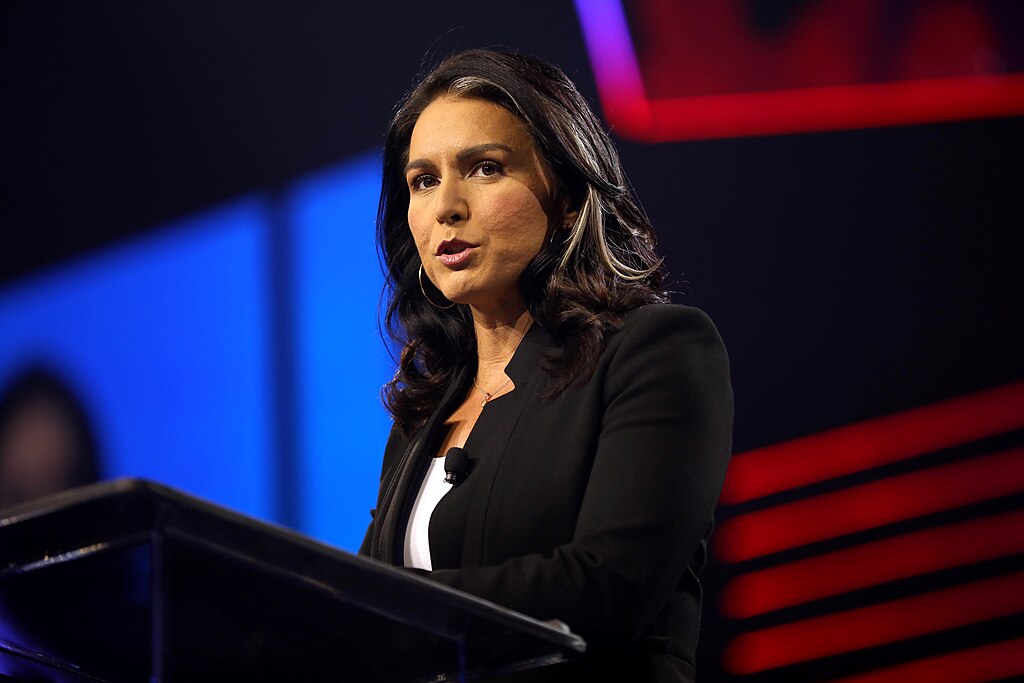
Former U.S. Representative Tulsi Gabbard has been confirmed as the Director of National Intelligence (DNI) despite concerns over her limited intelligence experience. The Senate voted 52-48 along party lines, with Senator Mitch McConnell as the sole Republican opposing her nomination. No Democrats or independents backed her.
Gabbard, 43, will oversee the U.S. intelligence community, managing a $100 billion budget despite lacking prior intelligence agency experience. Her confirmation marks a significant victory for former President Donald Trump, who has pushed for swift approvals of his nominees.
Gabbard’s past statements on Russia’s invasion of Ukraine and her 2017 meeting with Syria’s Bashar al-Assad drew scrutiny. Additionally, she faced bipartisan criticism over her defense of NSA whistleblower Edward Snowden. During her hearing, she refrained from labeling Snowden a traitor, frustrating some senators.
Trump’s nomination of Gabbard in November alarmed national security officials, fearing intelligence politicization. Opposition faced pressure from Trump and billionaire Elon Musk, who threatened primary challenges for dissenting Republicans. Senator Todd Young, initially hesitant, later endorsed Gabbard after securing her commitment to support intelligence professionals.
Supporters praised her pledge to streamline the DNI’s office as Trump seeks to reduce government agencies. Critics, however, highlight the contrast between her confirmation and past DNI appointments, such as Daniel Coats and Avril Haines, both of whom had extensive intelligence backgrounds and bipartisan support.
Gabbard’s confirmation comes amid global tensions, requiring her to reassure allies and navigate Trump's assertive foreign policy. Having left the Democratic Party in 2022, she became a Republican in 2024 and remains a key Trump ally. Now, she must prove her ability to lead and provide unbiased intelligence in one of the U.S. government’s most crucial roles.







