


 Paramount-Warner Bros $110 Billion Deal Draws Antitrust Backlash
  Trump Plans Military Complex Inside Washington Triumphal Arch
  Trump Administration Prepares Sanctions Against Entire ICC
  US, Denmark and Greenland Set to Sign Arctic Security Deal
  United Russia Leads Russia Election as Ukraine Drones Hit Moscow
  Burnham Eyes UK Leadership Role in AI Ahead of Trump Meeting
  US-China Talks Target AI, Tariffs Ahead of Trump-Xi Summit
  Vietnam, US Trade Deal Could Be Signed Soon, To Lam Says
  Zelenskiy Meets CIA Chief John Ratcliffe at Ireland’s Shannon Airport
  Trump Sets High-Stakes UN Meetings With Zelenskiy, Gulf Leaders
  CNN, MS NOW and Politico Sue Trump Over White House Media Ban
  AfD Wins German State Election as Merz’s CDU Hits Historic Low
  Denmark Says Greenland Sovereignty Protected in US Military Deal
  US, Japan and South Korea Back Taiwan Ahead of Trump-Xi Summit
  Trump Open to Pezeshkian Meeting as Iran Tensions Escalate
  Trump, Iran Trade Threats as Middle East Tensions Escalate
  Macron, Trump Discuss Ukraine-Russia Energy Strike Moratorium


 Add as a preferred source on Google
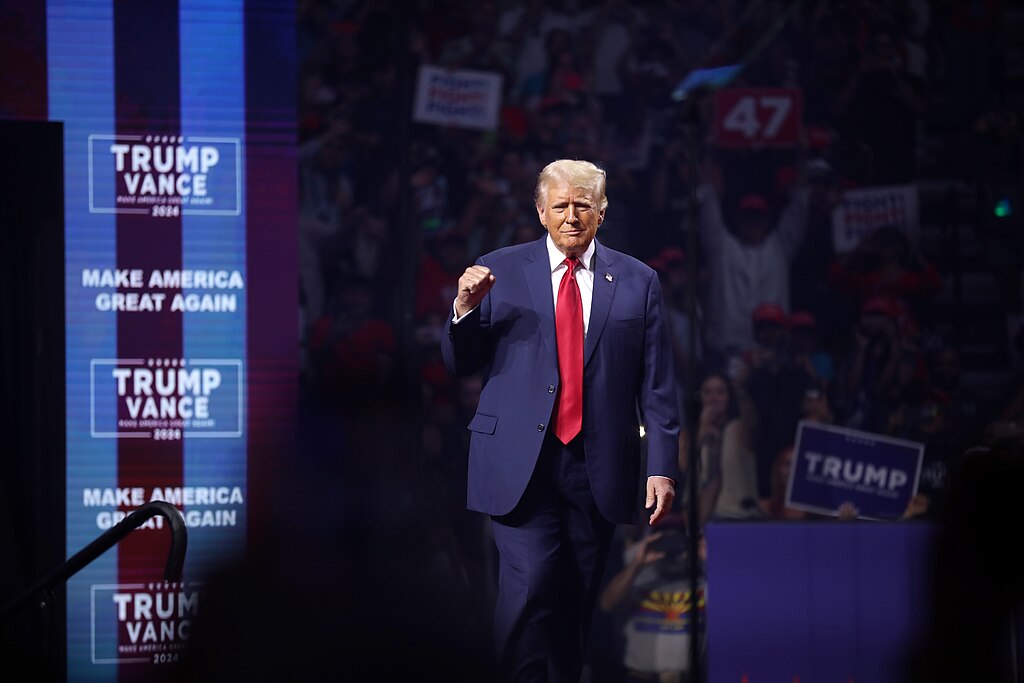
The reelection of Donald Trump as U.S. president has stirred geopolitical conversations across the globe. However, Iran has made it clear that its ties with China will remain unaffected. In a statement made to the ISNA news agency, Ali Akbar Velayati, a senior adviser to Iran’s Supreme Leader Ayatollah Ali Khamenei, declared that Trump’s return to the White House would have no “impact” on Iran’s foreign policy, particularly its “long-standing, close and cordial” relations with China.
Strengthened Ties Despite U.S. Sanctions
Velayati’s remarks come at a crucial time when China and Iran are doubling down on their strategic partnership. During a recent meeting with Chinese Ambassador Cong Peiwu in Tehran, Velayati emphasized the importance of the historic and cultural relationship between the two nations. Over the years, China has not only emerged as Iran’s largest trading partner but also as a significant buyer of its sanctioned oil, underscoring the economic interdependence that could counter any renewed U.S. sanctions under Trump’s leadership.
In 2021, the two nations signed a sweeping 25-year agreement that spans critical areas such as energy, security, and infrastructure. This deal has solidified Beijing’s Belt and Road initiative in Iran, allowing the Islamic Republic to remain a key player in the global trade network despite mounting pressure from the West.
'Maximum Pressure' Redux?
During Trump’s first term, his “maximum pressure” campaign heavily targeted Iran, implementing a combination of crippling sanctions and diplomatic isolation. Many speculate that Trump’s return will reignite this approach. The appointment of Marco Rubio as Secretary of State has only added fuel to this speculation. Known for his aggressive stance against both Iran and China, Rubio’s position could pave the way for policies aimed at complicating the China-Iran partnership.
Velayati’s statements, however, indicate a strong resolve to resist U.S. influence. Echoing these sentiments, Iranian Oil Minister Mohsen Paknejad recently stated that Tehran has no “serious concerns” about oil sales, even in light of Trump’s election. This confidence is largely attributed to China’s continued purchase of Iranian crude oil, a critical lifeline for Iran’s economy.
A Test for U.S. Diplomacy
China, for its part, has reiterated its commitment to supporting Iran. In a meeting with Iranian President Masoud Pezeshkian in September, Chinese Foreign Minister Wang Yi reassured Tehran that Beijing’s support would remain steadfast “regardless of how the international and regional situation evolves.”
While Trump’s return to the Oval Office promises to shake up global geopolitics, Iran and China seem unfazed, presenting a united front. This strategic alliance is likely to challenge U.S. efforts to reassert dominance in the Middle East and Asia.
A Rocky Road Ahead?
With Trump and Rubio poised to double down on policies targeting both Tehran and Beijing, the coming months will test the resilience of Iran and China’s alliance. Whether this partnership will weather the looming storm of U.S. sanctions remains to be seen.







