


 Qantas Near-Miss Raises Sydney Air Traffic Controller Fatigue Concerns
  Honda Targets $9.4 Billion in Cost Cuts as China EV Competition Intensifies
  CATL Shares Fall as Hungary Plant Faces Safety Halt
  Thomson Reuters C-Track Cyberattack Hits Courts Across U.S. and Canada
  Lenovo Shares Fall After Dropbox Security Breach Exposes ID Vulnerability
  Berkshire Hathaway Eyes Bigger Stakes in Japan’s Top Trading Houses
  Anthropic IPO Marketing Expected to Start in Mid-October
  Adobe Names Anil Chakravarthy CEO as AI Push Accelerates
  Nvidia Eyes $2.5 Billion Investment in Thinking Machines Lab
  BP Names Ian Tyler Permanent Chairman After Governance Shake-Up
  Fast Retailing Shares Drop as Uniqlo Japan August Sales Fall
  Audi, SAIC Launch China Innovation Hub for New AUDI Models
  Xiaomi Shares Jump on Europe EV Expansion Plan
  Lynas Rare Earths Shares Rise After Takeover Talks Revealed
  Volkswagen Approves 50,000 More Job Cuts in Major Restructuring
  OpenAI Launches GPT-6 Astra With Advanced AI Agent Capabilities


 Add as a preferred source on Google
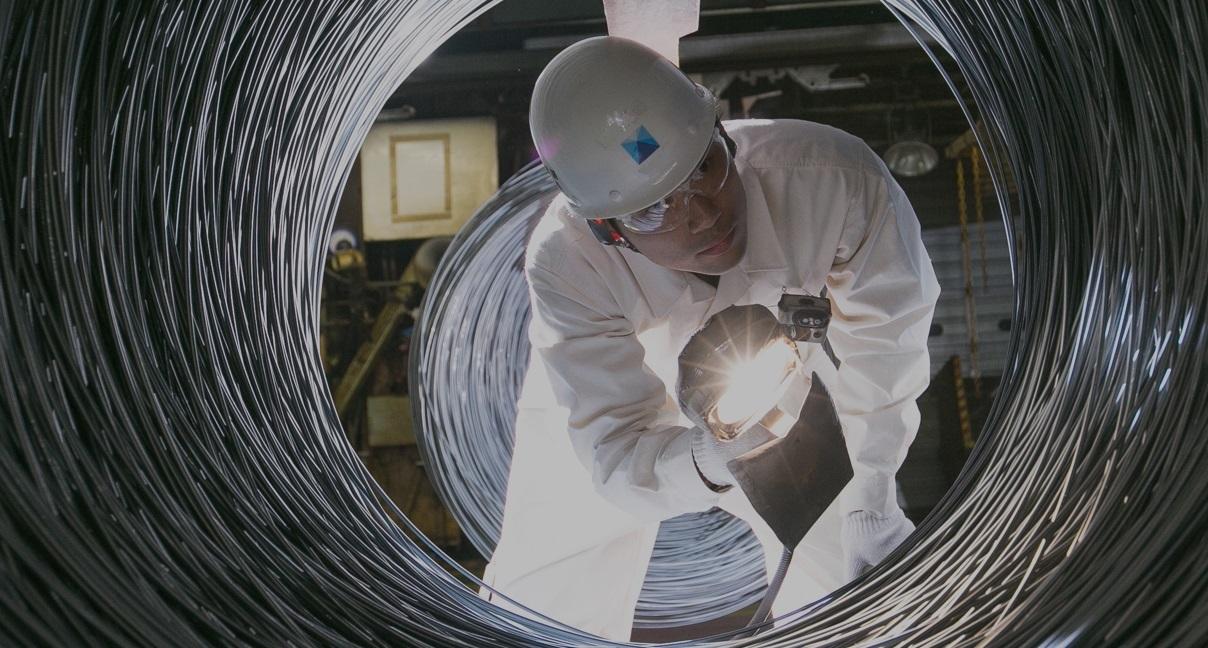
Donald Trump's pledge to block Nippon Steel's planned purchase of U.S. Steel if he retakes the White House compounds political troubles for the $15 billion deal, whose failure could reverberate across Japan Inc.
For Japan, the biggest foreign investor in the U.S., a collapse of the deal could give companies pause about acquisitions in other strategic sectors and force them to be more risk-averse when sizing up deals, say former officials, lawyers, analysts, and executives.
Challenges and Implications of the Planned Acquisition
According to Reuters, the planned purchase by the world's fourth-largest steelmaker of the storied American firm underlines the limits of "friendshoring," a term coined by U.S. officials to describe deeper economic cooperation between allies, an effort partly aimed at de-risking supply chains from rival power China.
Nippon Steel's acquisition already faces high hurdles, drawing criticism from Democratic and Republican lawmakers and the powerful United Steelworkers union.
U.S. Failure could be "a warning sign to some segments of Japanese investors," said Kenichiro Sasae, Japan's ambassador to the U.S. at the start of Trump's 2017-2021 presidential term.
While the fallout might be limited to specific sensitive industries, it would show that even with more focus on economic cooperation between allies, countries will always decide based on their core interests, said Sasae, president of the Japan Institute of International Affairs think tank.
Opposition and Historical Context
US News noted that opposition to the deal appears at odds with U.S. efforts in recent years to encourage Japanese companies to boost their presence there. It is reminiscent of the 1980s when Japanese acquisitions of trophy assets like the Rockefeller Center ignited sharp criticism from the American public.
In 2015, U.S. regulators, citing competition concerns, scuttled a merger between Japan's Tokyo Electron and U.S.-based Applied Materials, two of the world's largest manufacturers of semiconductor-making machinery.
Trump, whose protectionist "America First" policies were a hallmark of his tenure, said on Wednesday he would "instantaneously" block the deal if he wins the Nov. 5 vote. The Republican is set for a likely rematch with President Joe Biden, a Democrat.
Nippon Steel responded that the purchase would greatly benefit U.S. Steel, the U.S. steel industry, its customers, employees, local communities, and the United States more broadly.
Photo: Nippon Steel Website







