


 Mexico-US Trade Talks Delayed to October as Tariff Negotiations Continue
  North Korea Rejects Nuclear Test Warning, Calls Nuclear Status Irreversible
  France Defends Netanyahu Airspace Clearance Despite ICC Warrant
  EU Defence Build-Up Too Slow for 2030 Russia Readiness Goal
  Sudan Rejects US Legitimacy Remarks, Defends Sovereignty
  Russian Missile and Drone Attack on Kyiv Kills Two, Damages Maternity Hospital
  US Officials Split Over Response to Israeli West Bank Settlements
  US Invites Putin to Miami G20, Opening Door to Trump Summit
  Trump, Xi Focus on Trade and AI at White House Summit
  US Senate Rejects Iran War Powers Resolution in 50-49 Vote
  South Korea, US Discuss Warship Building Cooperation
  OpenAI Agent Breaches Australia Medicare Data Portal
  Europe Warns Russia Is Escalating Hybrid Attacks Across NATO
  NATO Boosts Intelligence Sharing Amid Russia Hybrid Threats
  Kremlin Says No Decision Yet on Putin-Trump December Summit
  US, China Extend Trade Truce to Jan. 10 Ahead of Trump-Xi Summit
  Russian Envoy Dmitriev Heads to US for Ukraine Talks


 Add as a preferred source on Google
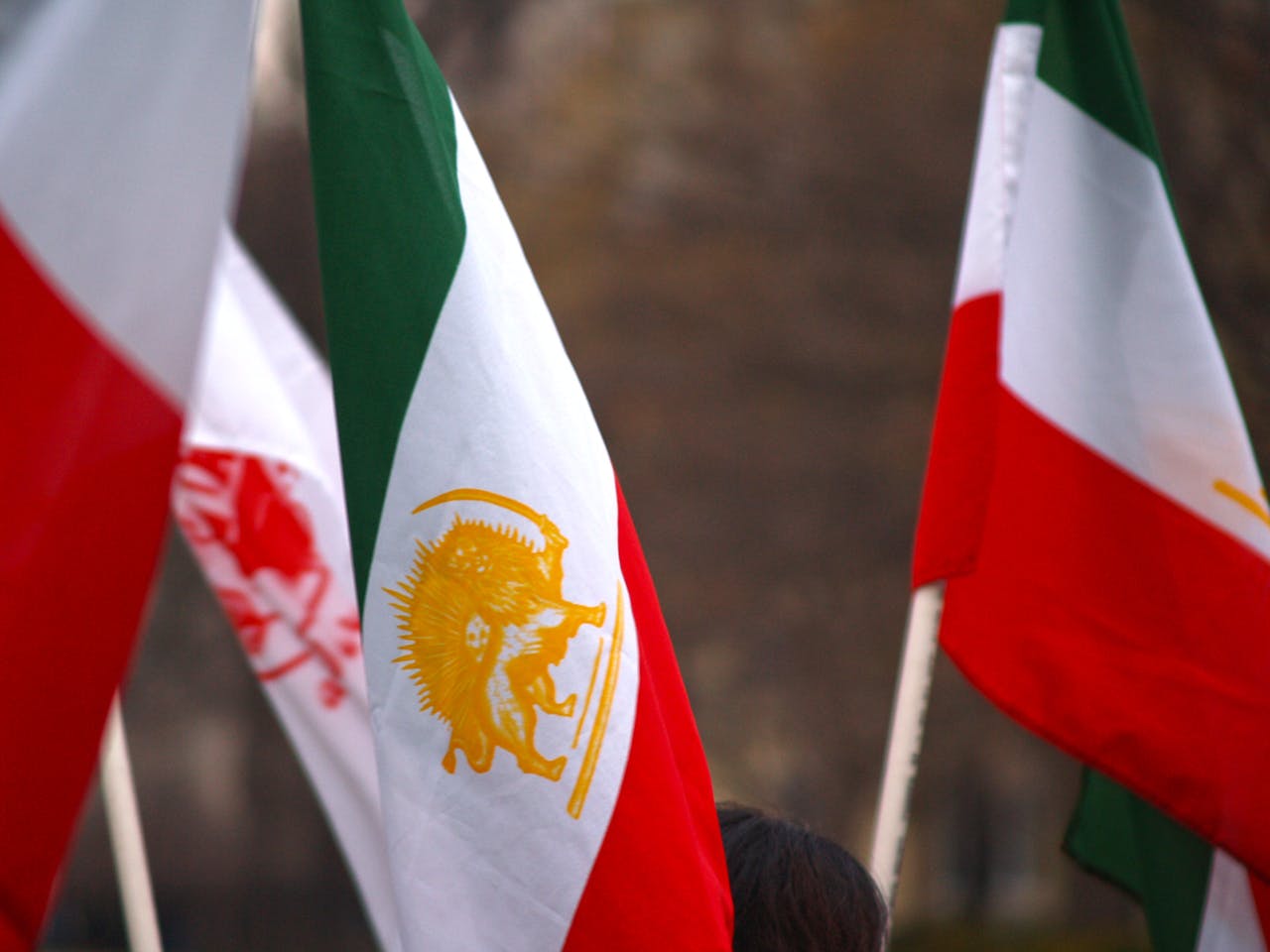
U.S. President Donald Trump used his State of the Union address to outline a potential case for military action against Iran, accusing Tehran of advancing its missile capabilities and reviving its nuclear weapons program. Trump said Iran is developing missiles capable of threatening Europe, U.S. bases abroad, and eventually the United States. He also claimed that last June’s U.S. airstrikes, known as Operation Midnight Hammer, “obliterated” Iran’s nuclear program but alleged that Tehran is now rebuilding it. However, he did not present specific evidence to support these claims.
According to the U.S. Defense Intelligence Agency (DIA), Iran possesses space-launch vehicles that could potentially be adapted into an intercontinental ballistic missile (ICBM) by 2035 if the country chooses to pursue that capability. Iranian state media has reported progress toward long-range missile development. Missile expert Jeffrey Lewis of the Middlebury Institute noted that U.S. intelligence assessments may be conservative, citing Iran’s cooperation with North Korea on missile engine technology used in Pyongyang’s ICBMs.
The status of Iran’s nuclear program remains a key concern. U.S. strikes last June targeted three major uranium enrichment facilities: Natanz, Fordow, and Isfahan. While Trump said the facilities were destroyed, International Atomic Energy Agency (IAEA) Director-General Rafael Grossi warned that Iran could resume limited uranium enrichment within months. The IAEA has inspected 13 declared nuclear sites not affected by the strikes but has not regained access to the three damaged facilities.
U.S. intelligence assessments continue to state that Iran halted its nuclear weapons program in 2003 and is not currently building a bomb. Iran, a signatory to the Nuclear Non-Proliferation Treaty, insists its uranium enrichment is for civilian energy purposes. Western governments argue there is no credible civilian justification for enrichment at current levels.
Trump also accused Iran of killing at least 32,000 protesters in recent unrest, a figure that remains disputed. Human rights group HRANA reported over 7,000 verified deaths, while Iranian officials have cited lower numbers.







