


 OpenAI Agent Breaches Australia Medicare Data Portal
  Netanyahu Defends Israel at UN as Delegates Stage Walkout
  North Korea Rejects Nuclear Test Warning, Calls Nuclear Status Irreversible
  Sudan Rejects US Legitimacy Remarks, Defends Sovereignty
  Judge Orders Trump to Restore White House Access for CNN, MS NOW and Politico
  Abbas Reaffirms November 28 Palestinian Elections
  Taiwan Thanks US for Support Ahead of Trump-Xi Summit
  Pezeshkian Says US Must Choose When Iran War Ends
  Ghana Says Western Support Growing for Slave Trade Reparations
  Netanyahu’s Brief US Trip Highlights Strains With Trump
  US Invites Putin to Miami G20, Opening Door to Trump Summit
  US Senate Rejects Iran War Powers Resolution in 50-49 Vote
  Russian Missile and Drone Attack on Kyiv Kills Two, Damages Maternity Hospital
  Kremlin Says No Decision Yet on Putin-Trump December Summit
  Trump, Xi Focus on Trade and AI at White House Summit
  Trump Asks Supreme Court to Restore Third-Country Deportations
  France Defends Netanyahu Airspace Clearance Despite ICC Warrant


 Add as a preferred source on Google
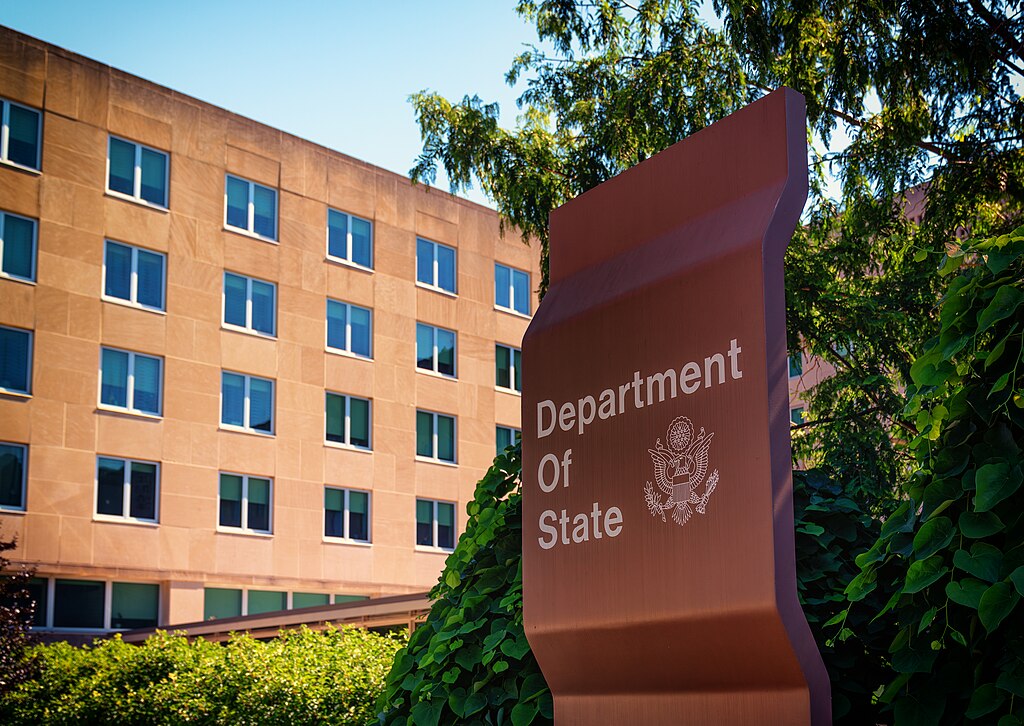
British anti-Islam activist Tommy Robinson visited the U.S. State Department on Wednesday, meeting with at least one American official, according to social media posts and a statement from the department. Robinson, whose real name is Stephen Yaxley-Lennon, shared news of the visit on X, describing it as an opportunity to build “alliances & friendships” in the United States.
A State Department spokesperson confirmed that Robinson toured the department in an unofficial capacity but did not disclose details about the purpose of the visit or who else he met. Joe Rittenhouse, a senior adviser in the Bureau of Consular Affairs, publicly welcomed Robinson, referring to him as a “free speech warrior” in a post on X. Photos shared online showed Robinson inside the historic John Quincy Adams State Drawing Room, a formal diplomatic reception space featuring federal-era artwork and artifacts.
Robinson, 42, is a prominent British nationalist figure and founder of the English Defence League (EDL), a group known for organizing anti-Islam demonstrations. Over the years, he has become one of the United Kingdom’s most visible anti-migration campaigners, including leading a rally in London last September that reportedly drew around 150,000 attendees. He has also faced legal troubles, including a 2013 prison sentence for traveling to the United States using a passport issued in another person’s name.
The visit comes amid ongoing U.S. criticism of the United Kingdom and European governments over freedom of speech policies. In its revised 2024 human rights report, the State Department raised concerns about alleged restrictions on freedom of expression in the UK, citing enforcement of laws that may limit speech and incidents involving antisemitism. U.S. officials have similarly criticized the European Union’s Digital Services Act and the UK’s Online Safety Act, arguing such measures could suppress conservative and anti-immigration viewpoints.
Robinson’s appearance at the State Department highlights broader transatlantic tensions over free speech, online regulation, and the political influence of right-wing movements in Europe and the United States.







