


 NATO Boosts Intelligence Sharing Amid Russia Hybrid Threats
  North Korea Rejects Nuclear Test Warning, Calls Nuclear Status Irreversible
  Sudan Rejects US Legitimacy Remarks, Defends Sovereignty
  Trump, Xi Focus on Trade and AI at White House Summit
  US Backs Musk in Fight Against EU’s €120 Million X Fine
  Netanyahu Defends Israel at UN as Delegates Stage Walkout
  Netanyahu’s Brief US Trip Highlights Strains With Trump
  Kremlin Says No Decision Yet on Putin-Trump December Summit
  US, China Extend Trade Truce to Jan. 10 Ahead of Trump-Xi Summit
  South Korea, US Discuss Warship Building Cooperation
  Pezeshkian Says US Must Choose When Iran War Ends
  Russian Missile and Drone Attack on Kyiv Kills Two, Damages Maternity Hospital
  US Officials Split Over Response to Israeli West Bank Settlements
  Gaza Faces Evacuation Crisis as War-Damaged Buildings Risk Collapse
  France Defends Netanyahu Airspace Clearance Despite ICC Warrant
  Netanyahu Takes Aim at Mamdani as Israel Election Nears
  EU Defence Build-Up Too Slow for 2030 Russia Readiness Goal


 Add as a preferred source on Google
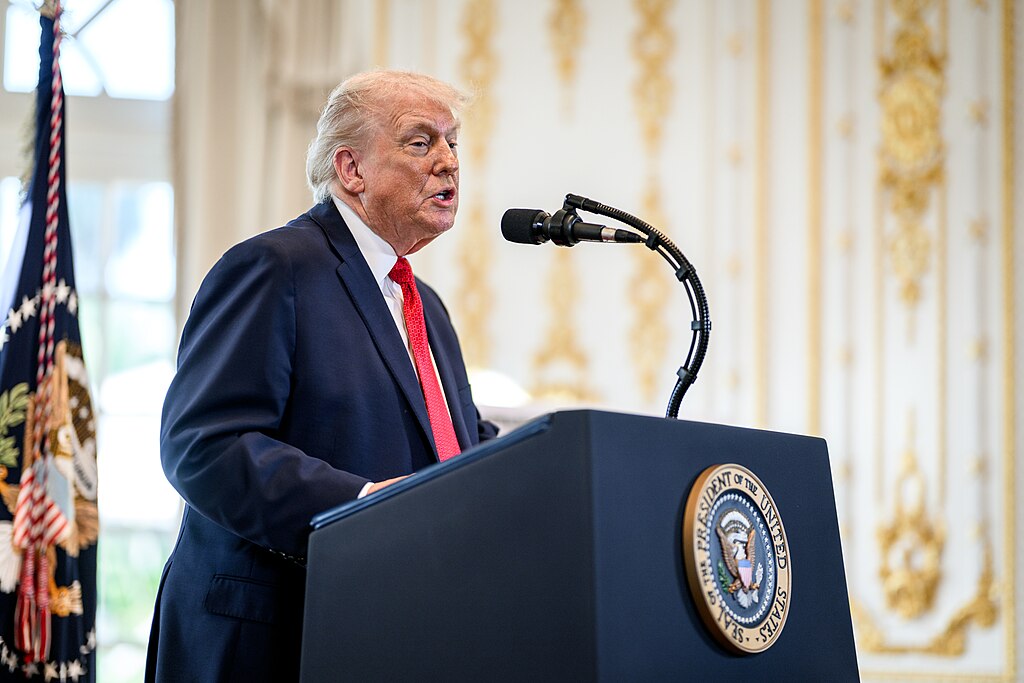
President Donald Trump delivered his State of the Union address to a joint session of Congress on Tuesday, positioning the speech as a defining moment ahead of the November midterm elections. With all 435 House seats and roughly one-third of the Senate up for grabs, the address served as a key opportunity for the White House to solidify Republican voter support while countering Democratic efforts to regain control of Congress.
The backdrop to Trump’s speech included rising tensions with Iran and growing voter frustration over the high cost of living. Economic concerns dominated his remarks, as he focused heavily on inflation, mortgage rates, gas prices, job growth, and overall economic performance. Trump argued that inflation and borrowing costs are easing, while highlighting gains in the stock market, oil production, foreign direct investment, construction, and factory employment.
However, economic data presents a more complex picture. Inflation showed signs of stalling and even ticking up last year, while factory jobs declined during the same period. Despite the administration’s optimistic tone, many Americans continue to feel the strain of elevated prices on everyday goods and services. Voter sentiment reflects that concern. According to recent Reuters/Ipsos polling, 56% of Americans disapprove of Trump’s handling of the economy, compared with 36% who approve.
Political strategists warn that the president’s economic messaging carries risks for the Republican Party. With midterm elections often serving as a referendum on the sitting president’s performance, dissatisfaction over inflation and the broader economy could influence voter turnout and swing key races. Democrats are aiming to capitalize on economic anxiety as they seek to flip congressional seats.
As Republicans fight to maintain their majority in both chambers, Trump’s ability to reshape the economic narrative may prove crucial. The months leading up to November will test whether voters embrace his optimistic outlook or remain focused on lingering financial pressures.







