


 US Expands Iran Sanctions, Targets Major Crypto Exchanges and Individuals
  NHTSA Investigates Fatal Tesla Model 3 Crash in Texas Amid Ongoing Autopilot and FSD Safety Scrutiny
  US Sanctions Cuban President Miguel Diaz-Canel and Key Officials Amid Rising Tensions
  U.S. Launches Trade Investigation Into Germany’s Pharmaceutical Cost-Cutting Plans
  SEC Tokenized Stock Approval Still Expected as Regulatory Framework Advances
  Alphabet Replaces Verizon in Dow Jones Industrial Average
  SpaceX Stock Plunges 16% as KeyBanc Warns Valuation May Be Overstretched
  Trump Administration Closes Delta Air Lines Investigation Over 2024 CrowdStrike Outage
  Trump Administration Plans Deportation of Iranian Migrants to Central African Republic Under New Third-Country Deal
  Trump’s Quantum Push Lifts IBM Stock as CEO Arvind Krishna Receives White House Praise
  Anthropic AI Model Uncovers Vulnerabilities in Classified U.S. Government Systems During Security Test
  Google’s Open-Source AI Data Center Cooling Design Raises Commoditization Concerns
  US-Iran De-Escalation Shifts Washington’s Focus to AI Regulation and Crypto Legislation
  Nissan Halts Electric Qashqai Development Amid EV Market Challenges
  ASIC Launches Formal Investigation Into KPMG Australia Partners Over Client Data Misuse Allegations
  Tesla and NatPower Partner on $5 Billion Battery Storage Expansion in Europe


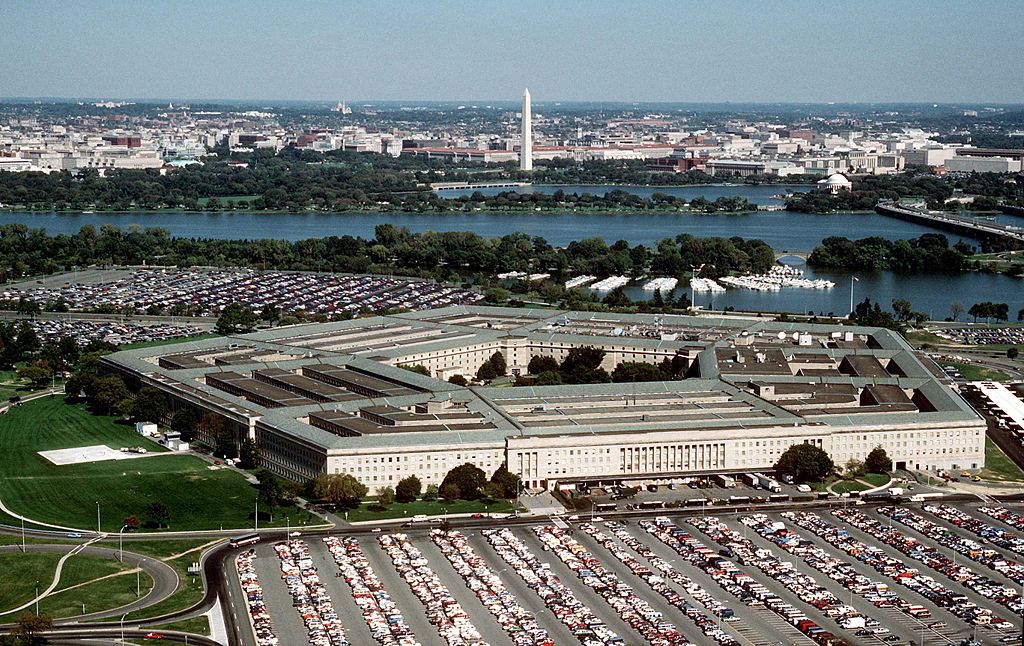
Artificial intelligence company Anthropic is standing firm on its military AI usage restrictions despite mounting pressure from the U.S. Department of Defense, according to a source familiar with the discussions. The dispute centers on whether Anthropic should loosen safeguards that prevent its AI models from being used for autonomous weapons targeting and domestic surveillance.
The tension escalated during a recent meeting between Anthropic CEO Dario Amodei and U.S. Defense Secretary Pete Hegseth. The high-level talks aimed to resolve a months-long disagreement over the company’s AI policies and its role in U.S. national security operations. Pentagon officials argue that AI providers working with the government should only be required to follow existing U.S. law, while Anthropic maintains that additional ethical safeguards are necessary to ensure responsible AI deployment.
During the meeting, Hegseth reportedly issued a stark ultimatum: comply with the Pentagon’s expectations or face significant consequences. Potential actions discussed include designating Anthropic as a supply chain risk or invoking the Defense Production Act, a federal law that could compel the company to alter its AI usage rules. The government has reportedly given Anthropic a deadline of Friday at 5 p.m. to respond.
Anthropic stated that discussions with the Pentagon remain in good faith and focused on aligning its AI usage policies with national security needs, while ensuring its technology is used responsibly. The company believes its current safeguards do not hinder Defense Department operations.
The Pentagon is simultaneously negotiating AI contracts with major large language model providers, including OpenAI, Google, and xAI, as it expands artificial intelligence integration across classified military networks. This week, xAI secured an agreement for deployment on classified systems, signaling broader competition in defense AI contracts.
Legal experts warn that any move to label Anthropic a supply chain threat or force compliance under the Defense Production Act could spark significant litigation and reshape the future of AI regulation in the defense sector.







