


 Asian Stocks Fall as Bond Yields Surge Ahead of Trump-Xi Summit
  Asian Currencies Mixed as Dollar Holds Near Two-Month High
  South Korea, US Discuss Warship Building Cooperation
  Taiwan Thanks US for Support Ahead of Trump-Xi Summit
  Mexico-US Trade Talks Delayed to October as Tariff Negotiations Continue
  US Backs Musk in Fight Against EU’s €120 Million X Fine
  Gold Prices Fall as Treasury Yields Rise on Fed Rate Hike Bets
  Japan Private-Sector Growth Slows as Domestic Demand Weakens
  RBI Uses $10 Billion Currency Swaps to Drain Excess Rupee Liquidity
  US Senate Rejects Iran War Powers Resolution in 50-49 Vote
  US Officials Split Over Response to Israeli West Bank Settlements
  OpenAI Agent Breaches Australia Medicare Data Portal
  Gaza Faces Evacuation Crisis as War-Damaged Buildings Risk Collapse
  Ghana Says Western Support Growing for Slave Trade Reparations
  Gold Drops Over 1% as Dollar, Treasury Yields Surge on Fed Rate Hike Bets
  Europe Warns Russia Is Escalating Hybrid Attacks Across NATO
  US, China Extend Trade Truce to Jan. 10 Ahead of Trump-Xi Summit


 Add as a preferred source on Google
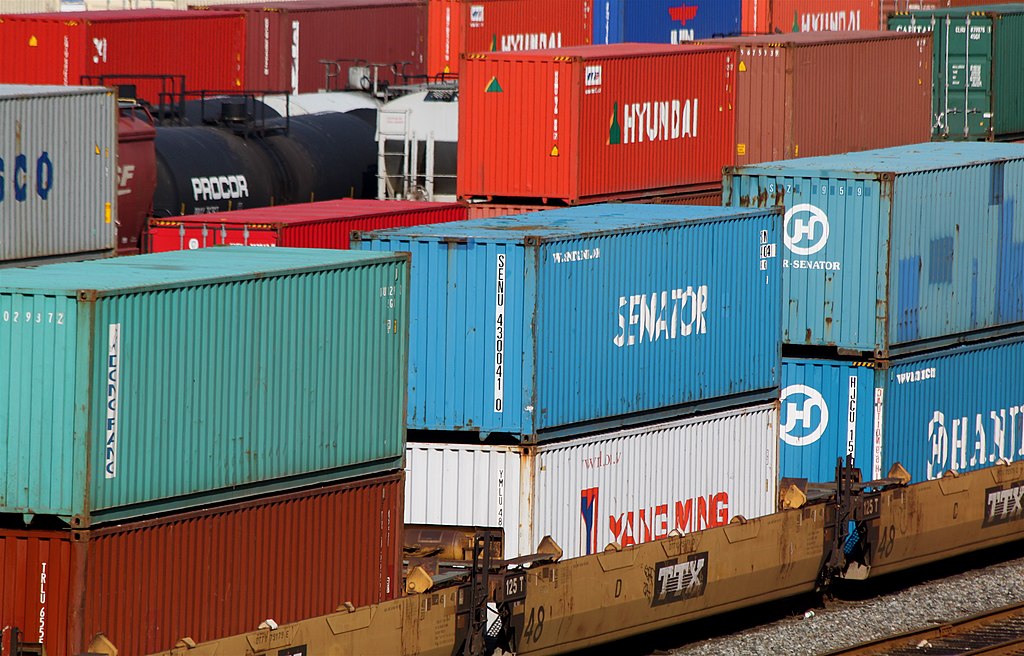
President Donald Trump’s proposed port fees on China-made ships and vessels linked to Chinese fleets are causing major disruptions in U.S. exports, particularly in agriculture, energy, and coal industries. The plan, which would impose fines of up to $1.5 million per ship, aims to revive U.S. shipbuilding but is creating unintended consequences for American businesses.
Coal exporters, including Xcoal Energy & Resources, warn that these fees could halt U.S. coal exports within 60 days, putting $130 billion in shipments at risk and potentially triggering mass layoffs in West Virginia mines. The added cost—up to 35% per shipment—would make U.S. coal uncompetitive globally. Similarly, the American Petroleum Institute cautions that the restrictions could cripple U.S. oil, LNG, and refined fuel exports.
Agricultural exporters are also feeling the squeeze. The American Farm Bureau Federation reports that uncertainty over freight costs is preventing farmers from selling bulk crops like corn, soybeans, and wheat. With the U.S. exporting over $64 billion in bulk agricultural products in 2024, rising shipping costs—estimated between $372 million to $930 million annually—could significantly weaken the country’s competitive edge.
The USTR proposal further seeks to shift exports to U.S.-built and U.S.-flagged vessels, but with fewer than 200 such ships available—and none suited for LNG transport—experts warn of severe bottlenecks. As a result, major exporters and industry groups, including the North American Export Grain Association and shipping association BIMCO, are voicing strong opposition ahead of USTR hearings next week.
With global trade at stake, businesses are urging the administration to reconsider the fees before they inflict lasting economic damage.







