


 Najib Razak Seeks Stay of 15-Year 1MDB Prison Sentence
  US Backs Musk in Fight Against EU’s €120 Million X Fine
  Soybean Futures Slip as Traders Await Trump-Xi Trade Signals
  Gold Prices Fall as Treasury Yields Rise on Fed Rate Hike Bets
  North Korea Warns South Korea Over US-Led Defense Role
  US 10-Year Treasury Yield at 6% Emerges as New Market Risk Threshold
  Asian Stocks Fall as Bond Yields Surge Ahead of Trump-Xi Summit
  Colombia Extradites FARC Dissident Leader ‘Spider’ to US
  EU Agrees €6.6 Billion Military Aid Funding for Ukraine
  Australia Unemployment Hits Five-Year High Despite Strong Jobs Growth
  Fed Unveils Stablecoin Rules Under GENIUS Act
  What ‘Taiwan Independence’ Means as Xi Presses Trump on US Policy
  Dollar Holds Near Two-Month High as Yen Approaches 160
  European Stocks Fall as Bond Yields and Geopolitical Risks Weigh
  Trump, Xi Focus on Trade and AI at White House Summit
  Trump Asks Supreme Court to Restore Third-Country Deportations
  Oil Prices Ease as Iran Tensions Clash With Diplomacy Hopes


 Add as a preferred source on Google
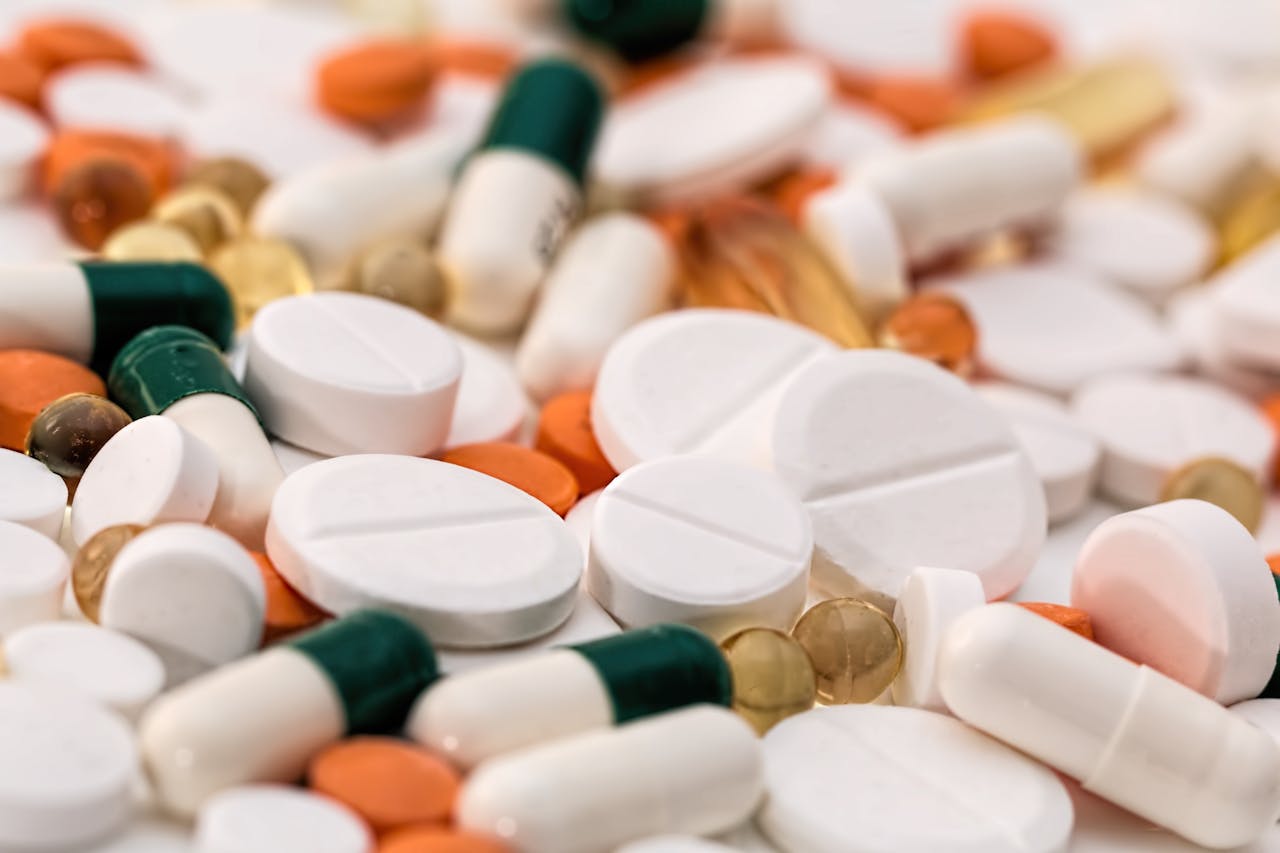
Britain could face steep costs on its pharmaceutical exports to the United States after President Donald Trump unveiled his latest trade plan. According to Reuters, Trump announced a 100% tariff on pharmaceuticals imported into the U.S. unless companies establish a manufacturing presence within the country. The move is part of his broader effort to onshore drug production and cut reliance on foreign supply chains, a key theme of his trade and industrial policy.
While the European Union and Japan successfully negotiated trade agreements with Washington that capped pharmaceutical duties at 15%, the United Kingdom was not included in those exemptions. Britain was the first nation to sign a trade deal with Trump, but the pharmaceutical tariff rate remains unresolved in ongoing negotiations. This lack of finalization means UK-based pharmaceutical firms could be hit hard by the new policy.
Pharmaceutical imports from Britain accounted for approximately 3.3% of total U.S. pharmaceutical imports in 2024, based on U.S. trade data. Though that share is relatively small, the sector plays a critical role in bilateral trade and could face significant disruption if tariffs are implemented. Analysts suggest that higher costs may not only affect UK exporters but could also ripple through the American healthcare system, increasing prices for certain medicines and treatments.
Trump has framed this tariff strategy as essential to safeguarding U.S. economic security, boosting domestic manufacturing, and reducing vulnerabilities in global supply chains. However, critics warn the move could ignite new tensions with Britain and complicate future trade talks. The pharmaceutical industry, heavily dependent on global collaboration, may face difficult decisions about whether to expand operations in the United States or absorb the impact of rising tariffs.







