


 Netanyahu Defends Israel at UN as Delegates Stage Walkout
  Taiwan Thanks US for Support Ahead of Trump-Xi Summit
  Russian Missile and Drone Attack on Kyiv Kills Two, Damages Maternity Hospital
  Trump, Xi Focus on Trade and AI at White House Summit
  Mexico-US Trade Talks Delayed to October as Tariff Negotiations Continue
  Trump, Xi Visit US National Archives After White House Summit
  Judge Orders Trump to Restore White House Access for CNN, MS NOW and Politico
  US Senate Rejects Iran War Powers Resolution in 50-49 Vote
  Abbas Reaffirms November 28 Palestinian Elections
  Sudan Rejects US Legitimacy Remarks, Defends Sovereignty
  Netanyahu’s Brief US Trip Highlights Strains With Trump
  Pezeshkian Says US Must Choose When Iran War Ends
  NATO Boosts Intelligence Sharing Amid Russia Hybrid Threats
  US Backs Musk in Fight Against EU’s €120 Million X Fine
  Ghana Says Western Support Growing for Slave Trade Reparations
  Xi Calls for Deeper U.S.-China AI Cooperation in Trump Talks
  Netanyahu Takes Aim at Mamdani as Israel Election Nears


 Add as a preferred source on Google
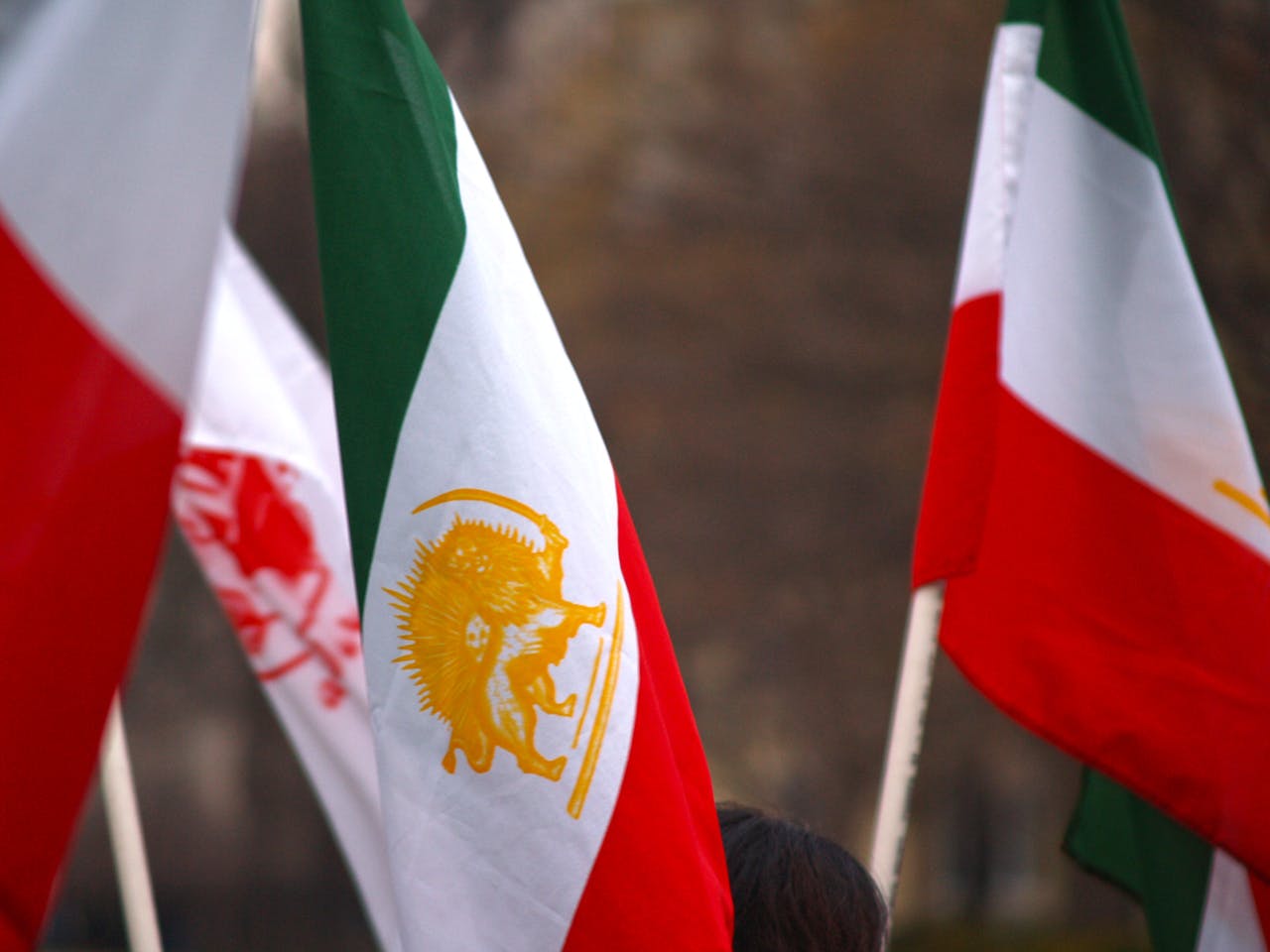
U.S. President Donald Trump is considering a range of military and political options against Iran, including targeted strikes aimed at weakening the country’s security leadership and encouraging renewed protests, according to multiple sources familiar with the discussions. The deliberations come amid heightened regional tensions following Iran’s recent crackdown on nationwide protests that reportedly left thousands dead.
Two U.S. sources said Trump has been focused on creating conditions for potential “regime change” by targeting commanders and institutions Washington holds responsible for the violence. The idea, they said, is to embolden protesters by signaling that Iran’s security apparatus could be weakened. Options under discussion reportedly range from limited strikes on specific leaders to broader military action targeting Iran’s ballistic missile capabilities or nuclear enrichment facilities.
However, Trump has not made a final decision, and diplomatic channels remain technically open. The deployment of a U.S. aircraft carrier and supporting warships to the Middle East has expanded Washington’s military capabilities, underscoring the seriousness of the situation. Trump has also urged Tehran to negotiate a nuclear deal, warning that any future U.S. attack would be more severe than previous strikes on Iranian nuclear sites.
Regional and international officials have expressed concern that military action could backfire. Arab officials, Western diplomats, and analysts warn that airstrikes alone are unlikely to topple Iran’s clerical leadership and could instead weaken an already traumatized protest movement. Israeli officials have echoed this view, arguing that without organized domestic opposition or large-scale military defections, external pressure is unlikely to bring lasting political change.
Iran’s leadership, while strained by economic crisis and unrest, remains in control. Supreme Leader Ayatollah Ali Khamenei has reduced his public profile but retains final authority over key decisions, including nuclear strategy. Analysts caution that any externally driven leadership change could empower hardline elements such as the Islamic Revolutionary Guard Corps, increasing regional instability.
Gulf states fear retaliation if conflict escalates, including missile or drone attacks and disruptions to oil flows through the Strait of Hormuz. Many regional governments favor containment over collapse, warning that instability in Iran could trigger refugee flows, civil conflict, and broader Middle East turmoil.







