


 FDA Approves Mirum’s Atebrioz for Rare Bone Disorder FOP
  Trump Warns China Against Supporting Iran in Xi Talks
  Pope Leo Warns UN, Multilateral Groups Face Crisis
  Iran Rejects Nuclear Concessions in Hormuz Deal
  US Immigration Arrests Surge as Deportations Lag Behind
  Who should own the knowledge that underpins AI technology?
  Colombia Extradites FARC Dissident Leader ‘Spider’ to US
  France Defends Netanyahu Airspace Clearance Despite ICC Warrant
  Appeals Court Rejects Trump Third-Country Deportation Policy
  Putin Says Ukraine Peace Proposals Remain on Table
  Trump Bans CNN, MS NOW and Politico From White House
  US Supreme Court Revives Trump Administration Voter Citizenship Database
  Najib Razak Seeks Stay of 15-Year 1MDB Prison Sentence
  Ukrainian Drone Attacks Hit Russian Regions, Injuring at Least 12
  Xi Calls for Deeper U.S.-China AI Cooperation in Trump Talks
  China Reviews Broadcom Switch Use in State Data Centres
  Saudi Arabia Seeks Military Support as Houthi Attacks Escalate


 Add as a preferred source on Google
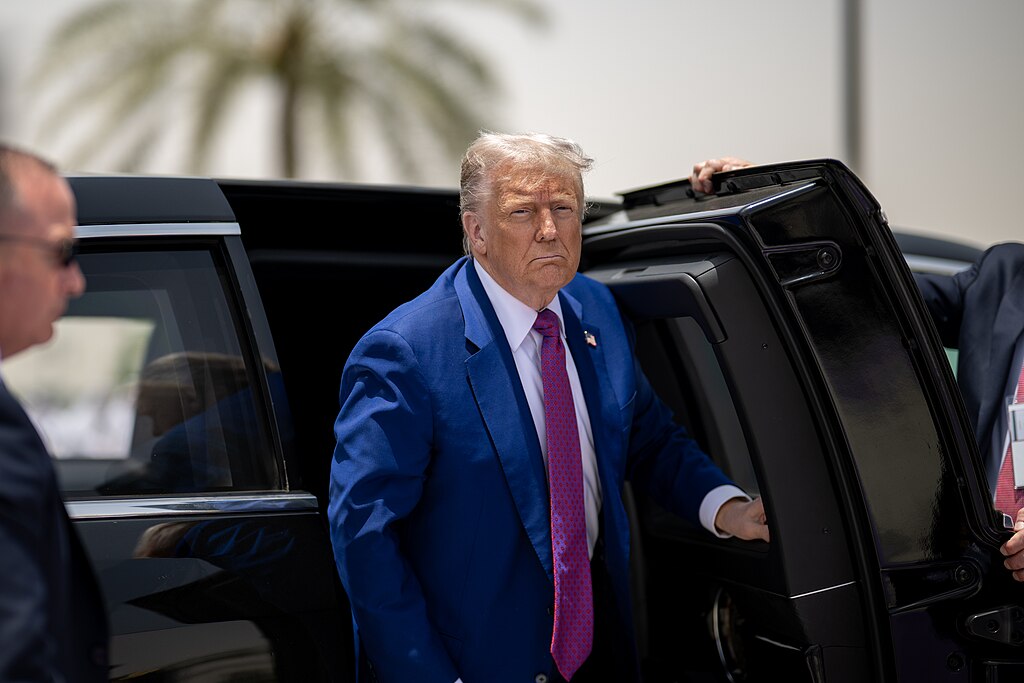
U.S. President Donald Trump announced Monday that he may declare a national emergency and federalize Washington, D.C. after Mayor Muriel Bowser confirmed the city’s police will not cooperate with Immigration and Customs Enforcement (ICE). The clash highlights tensions over immigration enforcement and federal authority, with critics calling Trump’s move an overreach.
The dispute centers on whether local authorities must provide information on individuals living in or entering the country illegally. Trump accused “Radical Left Democrats” of pressuring Bowser to defy ICE cooperation, further intensifying the standoff between the White House and D.C. leadership.
Earlier this month, thousands of protesters marched in the capital opposing Trump’s August deployment of National Guard troops. The president justified the deployment as necessary to restore “law, order, and public safety,” pointing to crime as a “blight” on the city. On Truth Social, Trump praised the results, claiming D.C. had become “absolutely booming” with “virtually no crime” for the first time in decades.
The National Guard’s role remains a key issue. While state governors typically control their respective Guard units, the D.C. National Guard is unique in reporting directly to the president. Trump’s comments suggest he could take full command to enforce immigration policies and override local resistance.
The potential federalization of Washington raises questions about the balance of power between local governance and federal authority. Opponents argue that forcing D.C. police to align with ICE undermines local autonomy, while supporters say it strengthens national security.
As the debate unfolds, the conflict between Trump and Bowser underscores broader national divisions over immigration policy, law enforcement, and federal control of the nation’s capital.







