


 Netanyahu Takes Aim at Mamdani as Israel Election Nears
  Asian Stocks Fall as Bond Yields Surge Ahead of Trump-Xi Summit
  Netanyahu’s Brief US Trip Highlights Strains With Trump
  Russian Envoy Dmitriev Heads to US for Ukraine Talks
  US Senate Rejects Iran War Powers Resolution in 50-49 Vote
  Mexico-US Trade Talks Delayed to October as Tariff Negotiations Continue
  North Korea Rejects Nuclear Test Warning, Calls Nuclear Status Irreversible
  Japan Private-Sector Growth Slows as Domestic Demand Weakens
  US, China Extend Trade Truce to Jan. 10 Ahead of Trump-Xi Summit
  France Defends Netanyahu Airspace Clearance Despite ICC Warrant
  Trump Asks Supreme Court to Restore Third-Country Deportations
  South Korea, US Discuss Warship Building Cooperation
  US Invites Putin to Miami G20, Opening Door to Trump Summit
  Oil Prices Jump 3% as Houthi Attack Revives Supply Fears
  U.S. Dollar Hits Two-Month High as Oil, Treasury Yields Surge
  NATO Boosts Intelligence Sharing Amid Russia Hybrid Threats
  Pezeshkian Says US Must Choose When Iran War Ends


 Add as a preferred source on Google
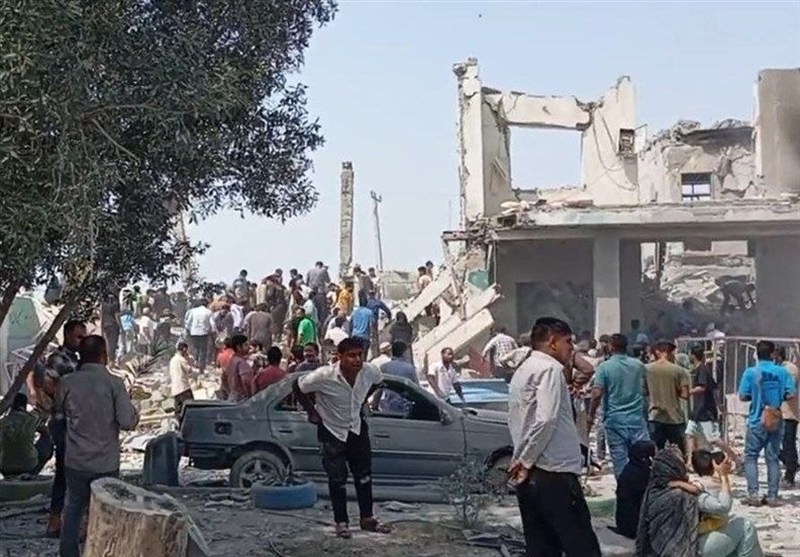
President Donald Trump announced Wednesday that the United States would significantly intensify its military operations against Iran within the next two to three weeks, while warning of devastating strikes on the country's power grid if Tehran refuses to reach a negotiated agreement.
Speaking from the White House, Trump declared that Washington's forces had already severely degraded Iran's naval and missile capabilities and suggested the operations had contributed to internal political instability within the Iranian government. He framed Iran's nuclear ambitions as a direct and dangerous threat to American national security, vowing that the U.S. would complete its military objectives in the near term.
Trump doubled down on his threat to simultaneously target Iran's electricity-generating infrastructure should diplomatic efforts fail. "If there is no deal, we are going to hit each and every one of their electric generating plants," he warned, reinforcing an April 6 ultimatum that remained in effect. The remarks clarified that any military wind-down would only follow an initial escalation phase, contradicting earlier signals of an imminent pullback.
On the issue of the Strait of Hormuz — a critical global oil chokepoint through which roughly 20% of the world's oil supply flows — Trump declined to commit U.S. forces to reopening the passage. Instead, he urged oil-dependent nations, particularly those in South and East Asia, to independently secure the waterway or source energy from the United States.
Iran, meanwhile, denied that any direct negotiations with Washington had occurred and rejected Trump's claims that Tehran had sought a ceasefire, according to Iranian state media.
Markets responded sharply to the developments. U.S. stock futures dropped nearly 1% following Trump's remarks, while Brent crude oil prices surged more than 5%, reflecting growing investor anxiety over the month-long conflict and its potential to disrupt global energy supplies.







