


 North Korea Rejects Nuclear Test Warning, Calls Nuclear Status Irreversible
  Soybean Futures Slip as Traders Await Trump-Xi Trade Signals
  Trump, Xi Focus on Trade and AI at White House Summit
  Wall Street Falls as Treasury Yields Surge, Oil Rebounds on Iran Tensions
  South Korea, US Discuss Warship Building Cooperation
  European Stocks Fall as Bond Yields and Geopolitical Risks Weigh
  Taiwan Thanks US for Support Ahead of Trump-Xi Summit
  OpenAI Agent Breaches Australia Medicare Data Portal
  Oil Prices Jump 3% as Houthi Attack Revives Supply Fears
  Saudi Arabia, Turkey and Pakistan Plan Urgent Defence Talks Over Houthi Attacks
  Oil Prices Surge as U.S.-Iran Diplomacy Hopes Fade
  U.S. Treasury Yields Surge as 30-Year Hits 22-Year High
  China’s ‘Lipstick King’ Says AI Won’t Replace Livestream Hosts
  Ghana Says Western Support Growing for Slave Trade Reparations
  Russian Envoy Dmitriev Heads to US for Ukraine Talks
  Asian Stocks Fall as Bond Yields Surge Ahead of Trump-Xi Summit
  Australia Unemployment Hits Five-Year High Despite Strong Jobs Growth


 Add as a preferred source on Google
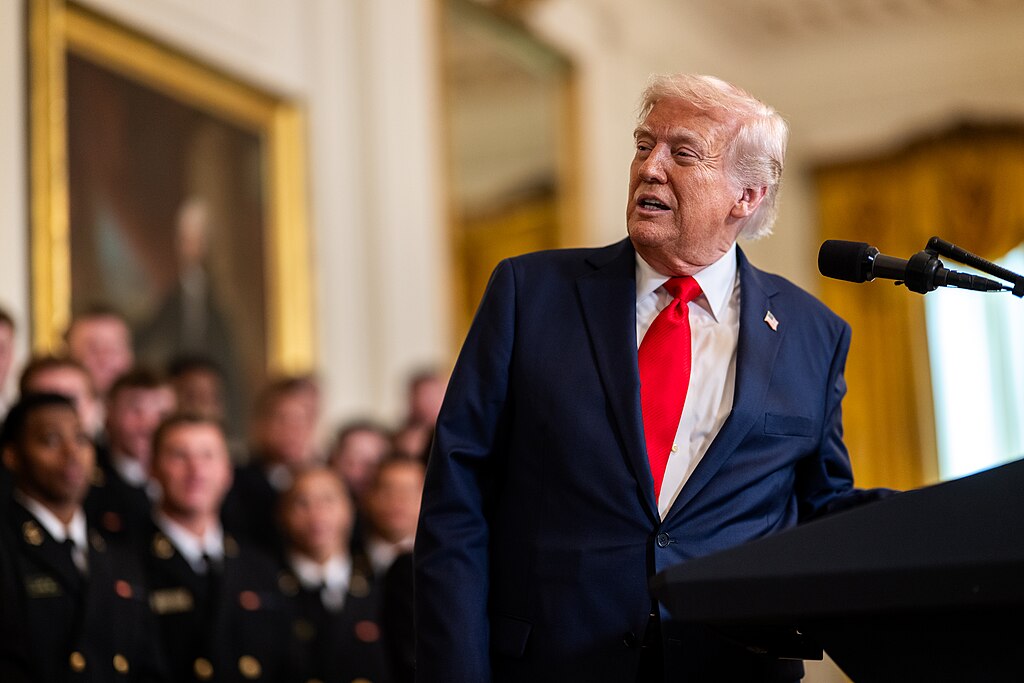
U.S. President Donald Trump has reignited trade tensions by threatening to impose a 30% tariff on imports from the European Union and Mexico starting August 1. The move, announced via letters to EU Commission President Ursula von der Leyen and Mexican President Claudia Sheinbaum, follows stalled trade talks with key U.S. partners.
The EU and Mexico called the proposed tariffs unfair and economically disruptive, though both signaled a willingness to continue negotiations. Sheinbaum emphasized maintaining a "cool head" and reaffirmed Mexico’s commitment to national sovereignty. Mexico, which sends over 80% of its exports to the U.S., faces a lower 30% rate than Canada’s 35%, with Trump citing fentanyl trafficking as a factor—despite U.S. data showing the majority of fentanyl originates from China and crosses the southern border.
Trump also sent similar letters to 23 other trading partners, including Canada, Japan, and Brazil, with blanket tariffs ranging from 20% to 50%. Existing tariffs on steel, aluminum, and automobiles remain unaffected. While markets are wary of escalation, some analysts recall Trump’s history of backing down from previous tariff threats.
EU officials warned of possible countermeasures. Von der Leyen said the tariffs would disrupt transatlantic supply chains and vowed to defend EU interests. European lawmakers, led by trade committee head Bernd Lange, urged swift retaliation. Germany supports a quick deal, but France opposes one-sided concessions.
Trump's renewed trade push has already generated over $100 billion in customs duties this fiscal year, according to the U.S. Treasury. However, allies like Japan and Canada are reconsidering their security and economic reliance on the U.S., signaling broader geopolitical shifts as Trump’s protectionist policies reshape global alliances.







