


 Saudi Arabia Shuts East-West Oil Pipeline After Drone Attack
  Appeals Court Rejects Trump Third-Country Deportation Policy
  Kremlin Says No Decision Yet on Putin-Trump December Summit
  Russian Missile and Drone Attack on Kyiv Kills Two, Damages Maternity Hospital
  US Resumes Immigrant Visa Processing for Hungary, Poland
  OpenAI Agent Breaches Australia Medicare Data Portal
  NATO Boosts Intelligence Sharing Amid Russia Hybrid Threats
  EU Defence Build-Up Too Slow for 2030 Russia Readiness Goal
  US Backs Musk in Fight Against EU’s €120 Million X Fine
  White House Bars CNN, MS NOW and Politico Reporters
  Netanyahu Defends Israel at UN as Delegates Stage Walkout
  Abbas Reaffirms November 28 Palestinian Elections
  China Tightens Fentanyl Rules Ahead of Trump-Xi Summit
  Synthetic data could ease people’s concerns about privacy breaches. But who gets to create it?
  Trump Administration Removes Confederate Memorial Criticism From Arlington Website
  Australia Tightens Student Visa Rules, Targets Migration Cut by 2028
  Najib Razak Seeks Stay of 15-Year 1MDB Prison Sentence


 Add as a preferred source on Google
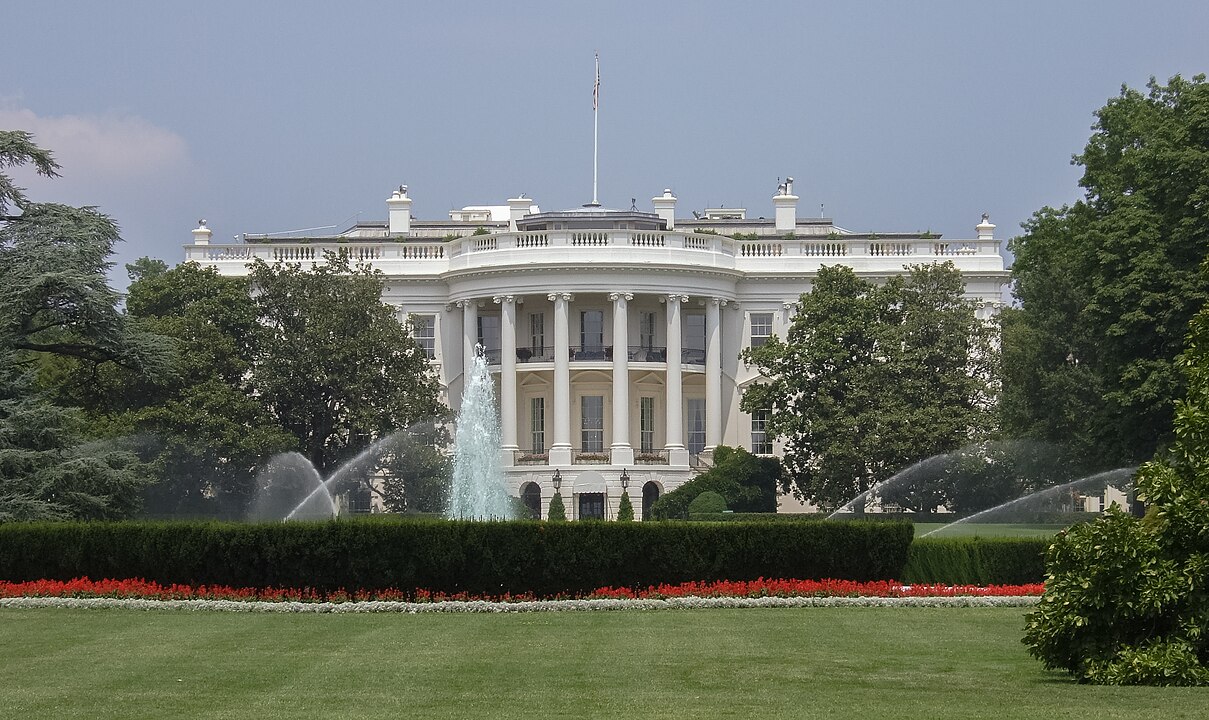
Dozens of staffers were dismissed from the White House National Security Council (NSC) on Friday as President Donald Trump initiated a major downsizing and restructuring of the agency, according to five informed sources. The layoffs impacted personnel handling major global issues, including Ukraine and Kashmir, and come shortly after Secretary of State Marco Rubio replaced Mike Waltz as national security adviser.
The move marks a significant shift in U.S. national security strategy. The NSC, once central to shaping policy, will now focus more on executing Trump’s directives. Sources say this will expand the influence of the State Department, Pentagon, and intelligence agencies, reducing the NSC headcount to around 50, down from over 300 under former President Joe Biden.
Inside the Eisenhower Executive Office Building, scenes of chaos and emotional farewells unfolded as staff were informed of their removal. While some staff will transition to other federal roles, others are uncertain about their future. The restructuring also includes merging or eliminating entire NSC directorates, such as those handling African affairs and multilateral organizations like NATO.
Conservatives have long called for trimming the NSC, criticizing it as bloated and duplicative. However, critics argue the downsizing could weaken the administration’s access to expert analysis, potentially undermining national security. The council has struggled to attract top talent recently, with critical positions left unfilled and morale hit hard by prior controversies—including the dismissal of staff seen as disloyal and a major leak under former adviser Waltz.
Trump’s overhaul aims to tighten loyalty and streamline policy execution, but experts warn it could limit the U.S.’s strategic depth in handling complex international crises. The NSC, once the nerve center of American foreign policy, now faces an uncertain future under Trump’s more centralized and controlled governance model.







