


 Russian Envoy Dmitriev Heads to US for Ukraine Talks
  FDA Names Permanent Drug and Biologics Center Chiefs
  US Judge Dismisses Imran Ahmed Deportation Lawsuit
  Europe Warns Russia Is Escalating Hybrid Attacks Across NATO
  Netanyahu Defends Israel at UN as Delegates Stage Walkout
  Saudi Arabia Shuts East-West Oil Pipeline After Drone Attack
  US Invites Putin to Miami G20, Opening Door to Trump Summit
  Nvidia-Groq AI Chip Deal Faces U.S. Antitrust Probe
  FAA Allows Boeing to Sell 35 More 777F Freighters Beyond 2028
  Appeals Court Rejects Trump Third-Country Deportation Policy
  Pentagon Restarts Testosterone Testing for US Troops
  France Defends Netanyahu Airspace Clearance Despite ICC Warrant
  Netanyahu Takes Aim at Mamdani as Israel Election Nears
  Trump Bans CNN, MS NOW and Politico From White House
  China Reviews Broadcom Switch Use in State Data Centres
  NATO Boosts Intelligence Sharing Amid Russia Hybrid Threats


 Add as a preferred source on Google
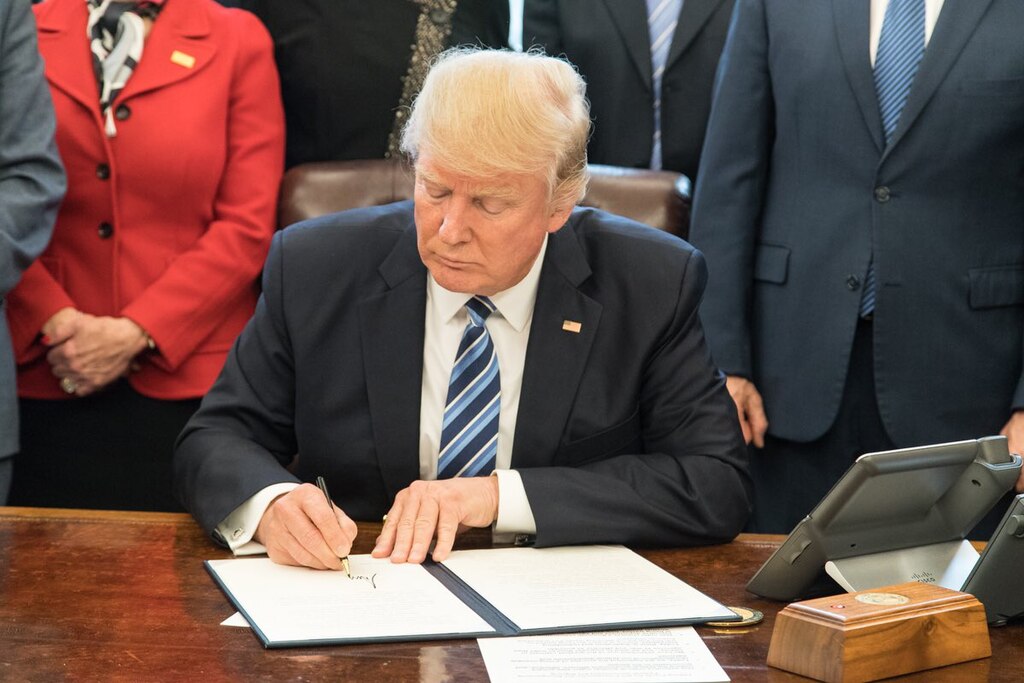
U.S. President Donald Trump signed executive orders on Tuesday aimed at reviving the declining coal industry, a move that contrasts with global efforts to cut carbon emissions. Standing beside coal miners at the White House, Trump vowed to “put the miners back to work,” targeting a workforce that has dropped from 70,000 to 40,000 over the past decade.
Once supplying 50% of U.S. electricity in 2000, coal now accounts for under 20%, according to the Energy Information Administration. This decline stems from the rise of cheaper, cleaner alternatives like natural gas, solar, and wind. However, electricity demand is now rising for the first time in 20 years, driven by AI data centers, electric vehicles, and cryptocurrency mining—offering a potential lifeline to coal.
Trump’s orders include using the Defense Production Act to support coal production and instructing Energy Secretary Chris Wright to consider classifying metallurgical coal as a "critical mineral." This could pave the way for emergency powers to boost coal output. Another directive asks the U.S. Attorney General to challenge state climate laws that hinder fossil fuel development.
The administration also ended a federal moratorium on new coal leasing and made $200 billion in financing available through the Energy Department’s loan office, which could fund advanced coal technologies.
Shares in major coal companies, including Peabody and Core Natural Resources, surged nearly 9% after the announcement. Yet uncertainty remains, as hundreds of coal plants have shut down due to economic and environmental pressures.
While industry leaders praised the move as a win for energy security, environmental advocates criticized it as a regressive step. They argue coal is outdated, expensive, and harmful, urging a focus on building a cleaner, modern energy grid.







