


 Macron, Trump Discuss Ukraine-Russia Energy Strike Moratorium
  FDA Weighs Safety Standards for Psychedelic Therapies
  Diana’s Brother Backs Security for Harry and Meghan
  Lula Meets Mamdani in New York as Elections Approach
  SEC Seeks ISS Client Voting Records in Proxy Adviser Probe
  Synthetic data could ease people’s concerns about privacy breaches. But who gets to create it?
  Denmark Says Greenland Sovereignty Protected in US Military Deal
  Judge Blocks Trump Rule Limiting Foreign Student Visas
  US, Japan and South Korea Back Taiwan Ahead of Trump-Xi Summit
  AfD Wins German State Election as Merz’s CDU Hits Historic Low
  Zelenskiy Meets CIA Chief John Ratcliffe at Ireland’s Shannon Airport
  Canada Unveils Bill to Fast-Track Major Resource Projects
  Pentagon Restarts Testosterone Testing for US Troops
  ICE Officer Shoots Man in Austin, Sparking Calls for Independent Probe
  South Korea to Brief Lawmakers on $350 Billion US Investment Package
  Nvidia-Groq AI Chip Deal Faces U.S. Antitrust Probe


 Add as a preferred source on Google
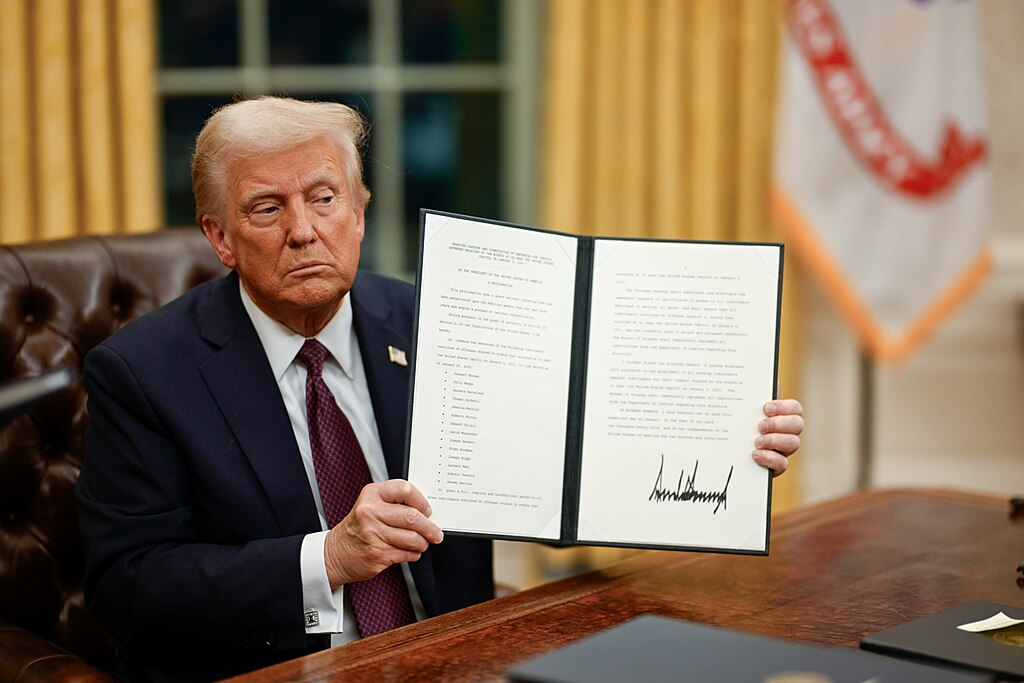
U.S. President Donald Trump signed an executive order on Tuesday mandating proof of citizenship for voters and rejecting mail-in ballots received after Election Day. The move aims to tighten election security but is already drawing heavy criticism and expected legal challenges.
The order threatens to withhold federal funding from states that fail to comply. Trump continues to claim—without evidence—that his 2020 election loss was due to widespread fraud, including illegal votes by non-citizens. Voting rights advocates argue the new rule could disenfranchise millions, especially people of color lacking documents like passports or birth certificates.
The White House said the measure ensures foreign nationals cannot interfere in elections. A citizenship question will be added to the federal voter registration form, and only ballots received by Election Day would be counted. This would overturn current policies in 18 states and territories that accept ballots postmarked by Election Day.
Trump stated, “This country is so sick because of the fake elections—we’re going to straighten that out.” Critics, including Public Citizen, called the move an authoritarian attack on democracy. Research by the Brennan Center shows 21.3 million eligible U.S. citizens lack readily available proof of citizenship.
The order directs the Department of Homeland Security and a newly created Department of Government Efficiency, overseen by Elon Musk, to review state voter rolls, even using subpoenas. The Republican National Committee has requested voter registration records from 48 states and D.C. to ensure accuracy.
The order echoes last year’s failed GOP-backed bill banning non-citizen voting in federal elections—a practice already illegal. Trump’s directive reignites the fierce partisan divide over election laws, with Republicans favoring tighter rules and Democrats defending broader voter access.







