


 Mexico-US Trade Talks Delayed to October as Tariff Negotiations Continue
  Iran Vows ‘Crushing’ Response as US Talks Continue
  US Officials Split Over Response to Israeli West Bank Settlements
  Taiwan Thanks US for Support Ahead of Trump-Xi Summit
  U.S. 10-Year Treasury Yield Hits 2007 High as Fed Rate Hike Bets Rise
  Lula and Flavio Bolsonaro Tied in Brazil Runoff Poll
  Fed Unveils Stablecoin Rules Under GENIUS Act
  Asian Currencies Muted as Dollar Firms Ahead of Trump-Xi Summit
  Trump Administration Plans Faster FDA Reviews for Smoke-Free Nicotine Products
  China Tightens Fentanyl Rules Ahead of Trump-Xi Summit
  Netanyahu Takes Aim at Mamdani as Israel Election Nears
  South Korea, US Discuss Warship Building Cooperation
  Sudan Rejects US Legitimacy Remarks, Defends Sovereignty
  Australia Unemployment Hits Five-Year High Despite Strong Jobs Growth
  Asian Stocks Mixed Ahead of Trump-Xi Meeting
  Gold Drops Over 1% as Dollar, Treasury Yields Surge on Fed Rate Hike Bets
  US, China Extend Trade Truce to Jan. 10 Ahead of Trump-Xi Summit


 Add as a preferred source on Google
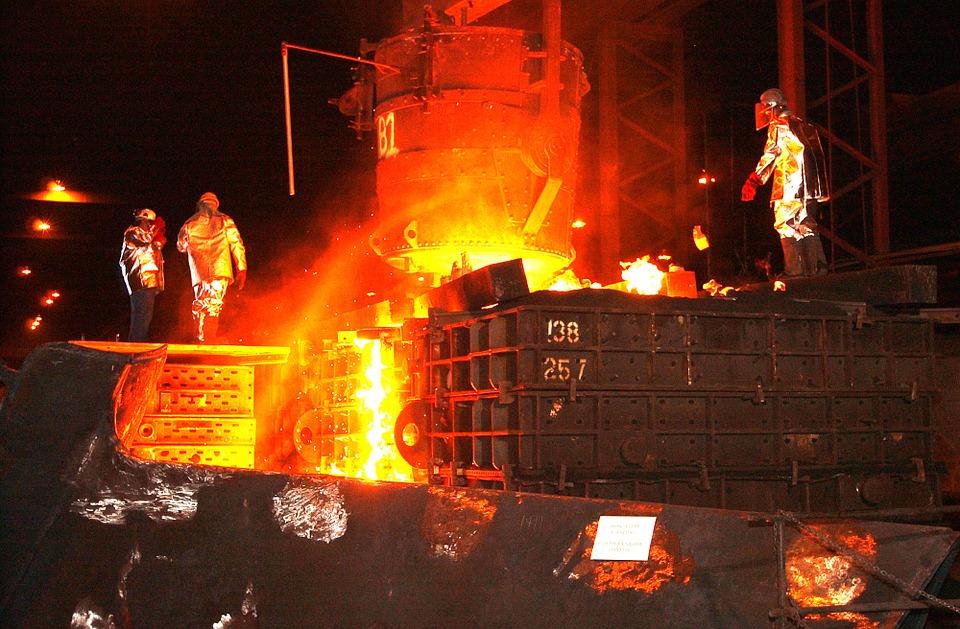
President Donald Trump abruptly reversed his decision to double tariffs on Canadian steel and aluminum to 50% just hours after announcing it, sending shockwaves through financial markets. The sudden shift came after Ontario Premier Doug Ford threatened a 25% surcharge on electricity supplied to over a million U.S. homes. Ford later suspended the surcharge, agreeing to meet with U.S. Commerce Secretary Howard Lutnick.
Following the reversal, the White House confirmed a 25% tariff on steel and aluminum imports from Canada and other nations, effective March 12, with no exemptions. White House spokesperson Kush Desai emphasized Trump’s strategy of leveraging the U.S. economy to secure favorable trade terms.
Trump’s tariff announcement initially triggered a stock market selloff, with the S&P 500 dropping to 5,528.41 points, marking a correction from its February peak of 6,144.15. Investors grew wary of further escalation after Trump threatened additional tariffs on Canadian dairy and auto exports, warning of increases by April 2. However, stocks rebounded slightly after Canada and Ukraine reached a 30-day ceasefire agreement.
Amid concerns over economic instability, Trump remained resolute, stating that higher tariffs would pressure companies to shift manufacturing to the U.S., creating jobs and generating revenue. As Prime Minister Justin Trudeau prepares to transition power to Mark Carney, tensions between the U.S. and Canada remain high.
The tariff dispute, coupled with potential auto tariffs, has intensified fears of a trade war. Market analysts warn of further economic disruptions as Trump’s policies continue to reshape global trade, leaving businesses and investors on edge.







