


 Judge Orders Trump to Restore White House Access for CNN, MS NOW and Politico
  Gold Prices Fall as Treasury Yields Rise on Fed Rate Hike Bets
  China Tightens Fentanyl Rules Ahead of Trump-Xi Summit
  What ‘Taiwan Independence’ Means as Xi Presses Trump on US Policy
  Fed’s Hammack Says Bond Yield Surge Is Not Driven by Inflation Fears
  FDA Weighs Safety Standards for Psychedelic Therapies
  Abbas Reaffirms November 28 Palestinian Elections
  Japanese Bank Stocks Surge as Bond Yields Fuel Rate Hike Bets
  Pezeshkian Says US Must Choose When Iran War Ends
  North Korea Warns South Korea Over US-Led Defense Role
  Synthetic data could ease people’s concerns about privacy breaches. But who gets to create it?
  FCC Approves Foreign Investment in $110B Paramount-Warner Bros. Deal
  Trump Administration Removes Confederate Memorial Criticism From Arlington Website
  US Bans Canadian Alcohol, Motorcycles as Trade War Escalates
  Iran Rejects Nuclear Concessions in Hormuz Deal
  US Supreme Court Revives Trump Administration Voter Citizenship Database
  Evan Gershkovich Says FSB Set Trap for 2023 Russia Arrest


 Add as a preferred source on Google
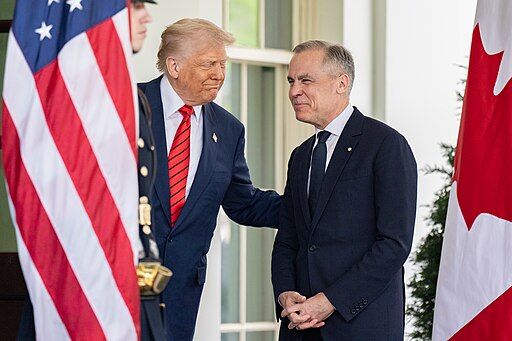
U.S. President Donald Trump has signed an executive order raising tariffs on Canadian goods to 35% from 25% for all products not covered under the U.S.-Mexico-Canada Agreement (USMCA), the White House announced Thursday. A new 40% levy will also apply to goods rerouted through other countries to evade tariffs.
The White House linked the decision to Canada’s alleged failure to curb fentanyl smuggling, escalating a months-long trade conflict that began shortly after Trump took office. The move comes despite Canadian Prime Minister Mark Carney’s outreach efforts ahead of the August 1 tariff deadline, with no formal talks held.
Canada, which sends about 75% of its exports to the U.S., faces significant pressure as key industries such as steel, aluminum, and automobiles are hit. Although 90% of Canadian exports in May were USMCA-compliant and exempt, the tariff increase threatens sectors outside the trade pact.
Carney acknowledged trade negotiations were constructive but warned a full removal of tariffs was unlikely before the deadline. He must balance responses among Canada’s provinces, with Ontario Premier Doug Ford calling for a 50% counter tariff on U.S. steel and aluminum imports.
U.S. Commerce Secretary Howard Lutnick suggested Trump could reconsider if Canada scales back retaliatory measures. Meanwhile, Mexico secured a 90-day reprieve to negotiate its own trade deal, avoiding a similar hike.
Canadian export data shows U.S.-bound shipments fell from 78% to 68% of total exports between May 2024 and May 2025 as companies diversified to mitigate tariff risks. Economists say Canada’s economy remains resilient but warn escalating trade tensions could weigh on growth if unresolved.
This latest tariff hike marks a critical juncture in North American trade relations as both nations navigate escalating economic and political pressures.







