


 Russian Strikes Kill Eight Across Ukraine as Energy Sites Hit
  Zelenskiy Warns Russia Preparing Major Attack on Ukraine
  Kremlin Says No Decision Yet on Putin-Trump December Summit
  Lula and Flavio Bolsonaro Tied in Brazil Runoff Poll
  US, China Extend Trade Truce to Jan. 10 Ahead of Trump-Xi Summit
  Macron Challenges Trump’s Gaza Peace Claims at UN
  China Tightens Fentanyl Rules Ahead of Trump-Xi Summit
  Gaza Faces Evacuation Crisis as War-Damaged Buildings Risk Collapse
  Russian Missile and Drone Attack on Kyiv Kills Two, Damages Maternity Hospital
  South Korea, US Discuss Warship Building Cooperation
  Judge Orders Trump to Restore White House Access for CNN, MS NOW and Politico
  Iran Vows ‘Crushing’ Response as US Talks Continue
  Kremlin Says No Grounds Yet for Ukraine Peace Talks
  Trump Board of Peace Unveils $2.45 Billion Gaza Recovery Plan
  Trump to Press Xi on Release of US Nuclear Expert Held in China
  Trump Administration Plans Faster FDA Reviews for Smoke-Free Nicotine Products
  Ghana Says Western Support Growing for Slave Trade Reparations


 Add as a preferred source on Google
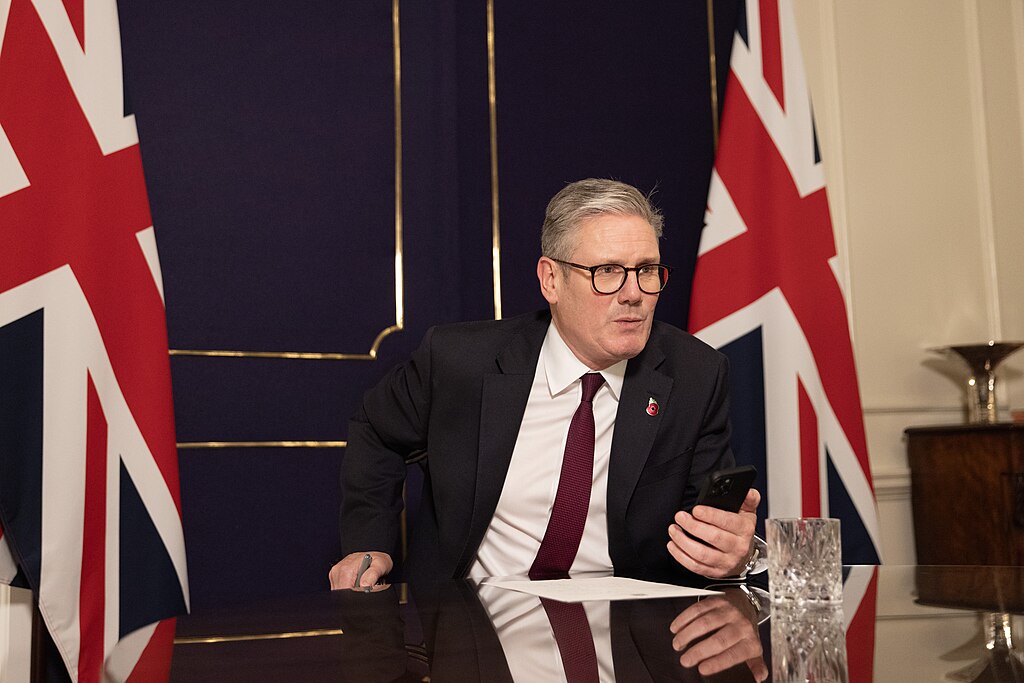
U.S. President Donald Trump emphasized a minerals deal with Ukraine as Kyiv’s key security guarantee, downplaying British Prime Minister Keir Starmer’s push for firm U.S. military support. During their first White House meeting, Starmer credited Trump for progress toward peace in Ukraine while inviting him for a state visit on behalf of King Charles, which Trump accepted.
Trump dismissed the need for direct security commitments, instead highlighting economic cooperation, saying, “We’ll be working over there.” Asked about trusting Russian President Vladimir Putin, Trump echoed Ronald Reagan’s “trust but verify” approach and suggested a peace deal could be imminent. Starmer, however, warned against any agreement that “rewards the aggressor.”
Trump’s stance has unsettled European allies, especially after he labeled Ukrainian President Volodymyr Zelenskiy a “dictator” before later softening his tone. Zelenskiy is set to visit Washington to finalize a rare earth minerals deal with Trump, a move the U.S. president sees as financial compensation for past aid to Kyiv.
Starmer reassured Trump of Europe’s defense commitment to Ukraine, signaling increased U.K. military spending. Trump reaffirmed NATO’s collective defense but downplayed the need for European peacekeepers in Ukraine. Meanwhile, Putin warned Western nations against disrupting Russia-U.S. relations.
Trump and Starmer also discussed trade, with Trump signaling optimism about a potential U.S.-U.K. trade deal, though he did not commit to lifting tariff threats. U.S. Vice President JD Vance raised concerns over free speech restrictions affecting American tech firms in Britain, a topic Starmer carefully navigated.
Trump, known for breaking diplomatic norms, has also proposed controversial trade tariffs and policies. Despite their differences, both leaders maintained a diplomatic tone, with Trump acknowledging Starmer as a “tough negotiator.”







