


 North Korea Rejects Nuclear Test Warning, Calls Nuclear Status Irreversible
  Australia Unemployment Hits Five-Year High Despite Strong Jobs Growth
  US 10-Year Treasury Yield at 6% Emerges as New Market Risk Threshold
  U.S. Dollar Hits Two-Month High as Oil, Treasury Yields Surge
  EU Defence Build-Up Too Slow for 2030 Russia Readiness Goal
  Oil Prices Jump 3% as Houthi Attack Revives Supply Fears
  Fed Unveils Stablecoin Rules Under GENIUS Act
  South Korea, US Discuss Warship Building Cooperation
  Ukrainian Drone Attacks Hit Russian Regions, Injuring at Least 12
  Trump, Xi Focus on Trade and AI at White House Summit
  Soybean Futures Slip as Traders Await Trump-Xi Trade Signals
  Oil Prices Ease as Iran Tensions Clash With Diplomacy Hopes
  Pezeshkian Says US Must Choose When Iran War Ends
  Russian Envoy Dmitriev Heads to US for Ukraine Talks
  Xi Calls for Deeper U.S.-China AI Cooperation in Trump Talks
  Dollar Holds Near Two-Month High as Yen Approaches 160
  Yemen Violence Displaces 130,000 as Civilian Toll Rises


 Add as a preferred source on Google
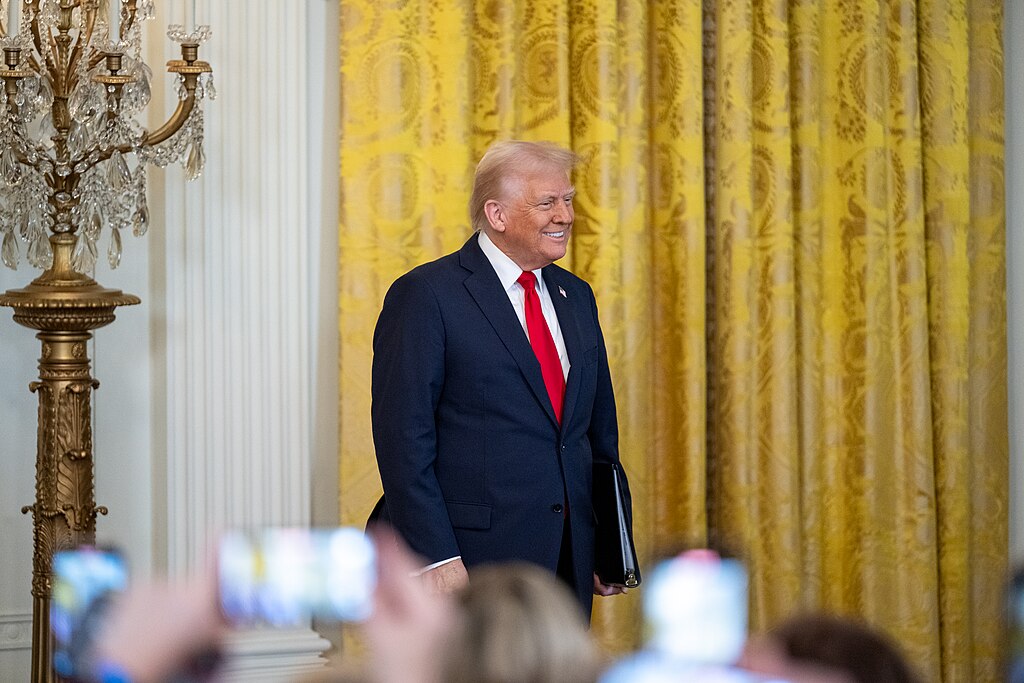
President Donald Trump said Wednesday that he wants the 2027 U.S. military budget to reach $1.5 trillion, a dramatic increase from the $901 billion defense budget approved by Congress for 2026. The proposal immediately boosted defense stocks but raised sharp concerns among budget experts and fiscal watchdogs about feasibility, funding, and long-term debt.
Trump announced the proposed increase in a post on Truth Social, saying the decision followed “long and difficult negotiations” with lawmakers and senior officials amid what he described as increasingly dangerous global conditions. Any such jump in defense spending would still require congressional authorization, which could prove challenging despite Republicans holding narrow majorities in both the House and Senate.
The proposal comes as Trump pursues an aggressive national security posture. In recent days, U.S. forces reportedly seized Venezuelan leader Nicolas Maduro, removing him from power. The White House has also acknowledged discussions about acquiring Greenland, including potential military involvement, and Trump has ordered U.S. troops to assist with policing in several American cities.
In a separate Truth Social post, Trump criticized major defense contractors for slow weapons production. He pledged to block dividend payments and share buybacks by defense companies until production accelerates, signaling a tougher stance on industry practices even as overall defense spending rises.
Trump argued the additional military spending would be funded by revenues from sweeping tariffs imposed on nearly every country and multiple industrial sectors. He claimed the U.S. could still reduce national debt and issue dividend-style payments to “moderate income” Americans.
However, the Committee for a Responsible Federal Budget estimates the plan would cost about $5 trillion through 2035 and add $5.8 trillion to the national debt when interest is included. The group noted that current tariffs could cover only about half the cost and warned that the Supreme Court may invalidate some tariffs. The Bipartisan Policy Center estimates tariffs generated $288 billion in 2025, far below Trump’s recent claims of roughly $600 billion.
Despite skepticism, investors reacted positively. After-hours trading saw Lockheed Martin shares rise 6.2%, General Dynamics gain 4.4%, and RTX climb 3.5%, reflecting expectations that higher Pentagon spending would significantly boost defense sector revenues.







