


 European Stocks Fall as Bond Yields and Geopolitical Risks Weigh
  Yemen Violence Displaces 130,000 as Civilian Toll Rises
  Kremlin Says No Decision Yet on Putin-Trump December Summit
  Mexico-US Trade Talks Delayed to October as Tariff Negotiations Continue
  Najib Razak Seeks Stay of 15-Year 1MDB Prison Sentence
  US Bans Canadian Alcohol, Motorcycles as Trade War Escalates
  Gold Holds Near $4,275 as Rising Treasury Yields Fuel Fed Rate Hike Bets
  Sudan Rejects US Legitimacy Remarks, Defends Sovereignty
  Japanese Bank Stocks Surge as Bond Yields Fuel Rate Hike Bets
  Australia Unemployment Hits Five-Year High Despite Strong Jobs Growth
  FCC Approves Foreign Investment in $110B Paramount-Warner Bros. Deal
  US Stock Futures Fall as Treasury Yields Surge Ahead of Trump-Xi Summit
  Oil Prices Jump 3% as Houthi Attack Revives Supply Fears
  US Resumes Immigrant Visa Processing for Hungary, Poland
  Abbas Reaffirms November 28 Palestinian Elections
  US Judge Dismisses Imran Ahmed Deportation Lawsuit
  DOJ Will Investigate AI-Related Crimes, Attorney General Blanche Says


 Add as a preferred source on Google
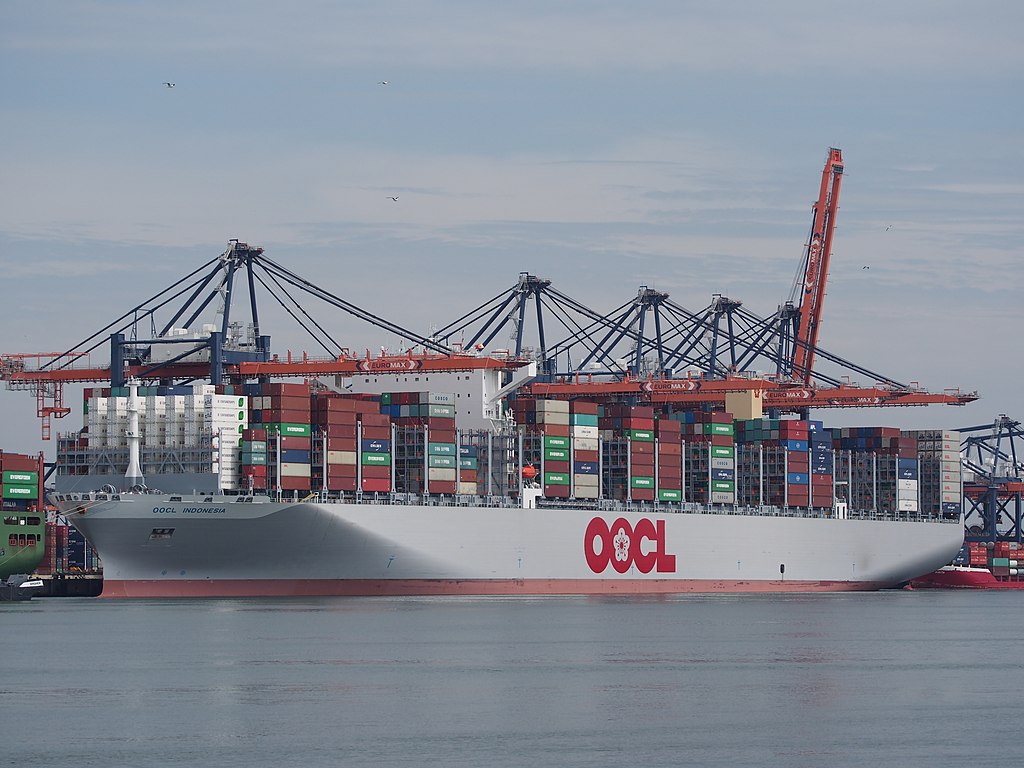
President Donald Trump announced a 19% tariff on Indonesian imports as part of a new trade agreement, intensifying his push to reduce the U.S. trade deficit. Under the deal, the U.S. will impose duties on Indonesian exports, while U.S. goods will enter Indonesia tariff-free. Trump said Indonesia also committed to purchasing $15 billion in U.S. energy, $4.5 billion in farm goods, and 50 Boeing jets, though no timeline was given.
The agreement mirrors a similar preliminary deal with Vietnam and includes penalties for rerouting Chinese goods through Indonesia. Trump warned of a 32% tariff on Indonesia starting August 1, prompting the agreement. He hinted at more such deals in the works and emphasized his preference for flat tariffs over drawn-out negotiations.
The U.S. trade deficit with Indonesia stood at nearly $18 billion in 2024, with top imports including palm oil, electronics, footwear, and rubber. Indonesia is not a top-15 trading partner but is gaining importance.
Trump’s broader tariff plan could raise the average U.S. tariff rate to nearly 20%, the highest since 1933, according to Yale Budget Lab. Talks with India are reportedly progressing, and deals with the UK and China have already been outlined. Trump also plans to impose tariffs on pharmaceutical imports, starting low before increasing them within a year.
Meanwhile, the European Union is preparing retaliation against Trump’s proposed 30% tariffs, threatening duties on $84 billion worth of U.S. goods, including Boeing aircraft, bourbon, and cars.
Trump’s aggressive trade strategy continues to disrupt global markets, raising concerns about inflation and trade volatility. While some nations are negotiating to avoid higher tariffs, critics point to Trump’s chaotic rollout and limited deal-making progress compared to earlier promises.







