


 Carney Condemns Belleville Synagogue Shooting That Wounded Police Officer
  US, Denmark and Greenland Set to Sign Arctic Security Deal
  Marco Rubio to Meet Russia’s Lavrov in New York
  Trump Meets Venezuela’s Delcy Rodriguez at UN Assembly
  Canada Unveils Bill to Fast-Track Major Resource Projects
  Trump Scales Back Endangered Species Act Protections
  Trump Board of Peace Unveils $2.45 Billion Gaza Recovery Plan
  Zelenskiy Meets CIA Chief John Ratcliffe at Ireland’s Shannon Airport
  China Tightens Fentanyl Rules Ahead of Trump-Xi Summit
  Macron Challenges Trump’s Gaza Peace Claims at UN
  Macron, Trump Discuss Ukraine-Russia Energy Strike Moratorium
  Paramount-Warner Bros $110 Billion Deal Draws Antitrust Backlash
  Vietnam, US Trade Deal Could Be Signed Soon, To Lam Says
  Taiwan Vows to Advance US Arms Sales Ahead of Trump-Xi Meeting
  Burnham Eyes UK Leadership Role in AI Ahead of Trump Meeting
  Trump Says U.S.-Iran Peace Deal Near After UN Talks
  Scott Bessent Eyed as Trump’s New AI Czar


 Add as a preferred source on Google
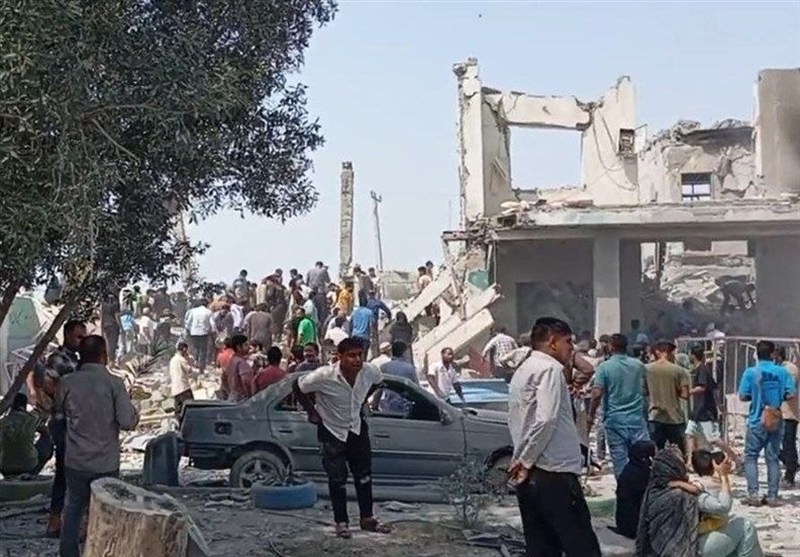
The United States launched a new wave of military strikes against Iran on Wednesday, intensifying its campaign against Tehran as President Donald Trump warned that attacks would continue until Iran agreed to negotiate. The latest operations targeted military assets that U.S. officials say have been used to threaten commercial shipping in the Strait of Hormuz, a critical global energy transit route.
According to U.S. Central Command (CENTCOM), the first round of strikes began at 6 a.m. ET, followed by a second wave at approximately 3 p.m. ET. The military said the operations were aimed at weakening Iran's ability to disrupt maritime traffic in the strategic waterway.
In a statement posted on X, CENTCOM said the strikes were focused on Iranian military capabilities used to threaten vessels navigating the Strait of Hormuz, describing the waterway as essential to international commerce.
The military escalation comes as reports suggest the Trump administration is considering broader action against Iran. According to The Wall Street Journal, officials are evaluating options that include expanded airstrikes, the seizure of strategic Iranian islands near the Strait of Hormuz, and attacks on a heavily fortified facility believed to support covert nuclear activities.
Speaking in an interview with Fox News, Trump said U.S. officials had recently spoken with Iranian representatives, claiming Tehran wanted to negotiate. However, he insisted military operations would continue until he determined otherwise, warning Iran to reach an agreement before suffering further consequences.
Trump also indicated that attacks on Iran's oil infrastructure, including Kharg Island, remain under consideration and suggested additional strikes on suspected nuclear facilities, including Pickaxe Mountain, could follow.
Axios reported that Trump met with senior national security advisers in the White House Situation Room to discuss expanding military operations beyond southern Iran and the Strait of Hormuz.
Meanwhile, Iran rejected U.S. claims that the Strait of Hormuz remained open under American control and continued retaliatory attacks on U.S. military positions across the Middle East. Tehran has also maintained pressure on commercial shipping, escalating tensions that have undermined a previous memorandum of understanding between the two countries and raised concerns about regional stability and global energy markets.







