


 US Supreme Court Strikes Down Hawaii Gun Carry Law on Private Property
  Cait Conley Wins Democratic Nomination, Sets Up Key House Battle Against Mike Lawler in New York
  Johns Hopkins University Lays Off 110 Employees as Federal Research Funding Declines
  Asian Stocks Sink as Apple Price Hikes Spark AI Valuation Fears, South Korea and Japan Lead Selloff
  Oil Prices Rebound as Strait of Hormuz Tensions Return After Ship Attack Near Oman
  Trump Orders DOJ Investigation Into Exxon, Chevron Over High Gas Prices
  White House Seeks $87.6 Billion Emergency Funding for Iran War, Farmers, and Ebola Response
  Gold Prices Rise Above $4,000 as Inflation Data and Weaker Dollar Boost Demand
  Japan Signals Preference for Low Interest Rates as BOJ Policy Debate Intensifies
  US Senate Approves War Powers Resolution Urging Trump to End Iran Military Action
  Asian Markets Rally as Micron and Qualcomm AI Outlook Lifts Global Tech Stocks
  NATO Chief Tries to Ease Trump Alliance Dispute
  Bessent Says U.S. Must Strengthen Supply Chains and Economic Security
  Asian Currencies Trade Mixed as Yen Hovers Near 40-Year Low, Dollar Holds Firm on Fed Outlook
  Young Brazilian Voters Shift Right Ahead of 2026 Election


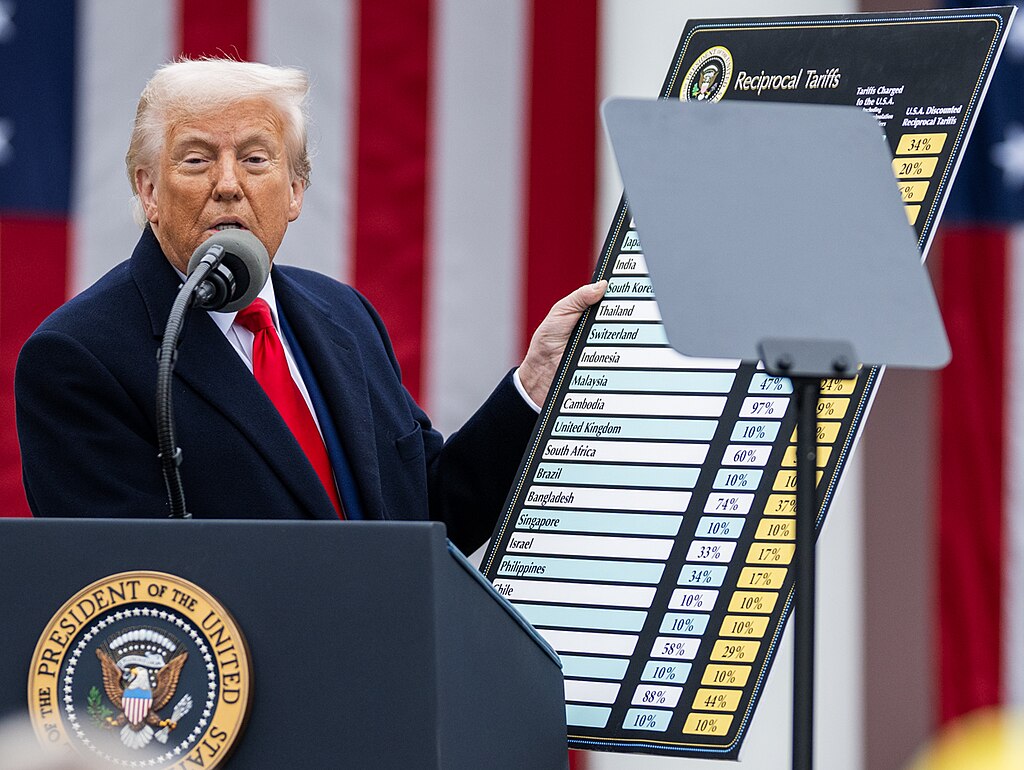
U.S. President Donald Trump intensified tensions with Colombia after announcing plans to raise tariffs and halt financial payments to the South American nation. The move follows a series of U.S. military strikes on vessels in the Caribbean that Washington claims were tied to drug trafficking.
Speaking aboard Air Force One, Trump accused Colombian President Gustavo Petro of being an “illegal drug leader,” alleging that Colombia was complicit in the narcotics trade. “They don’t fight drugs — they make drugs,” Trump said. His administration pledged to release details of the new tariffs soon, signaling a sharp deterioration in relations between Washington and Bogotá.
Petro, who has criticized U.S. strikes that reportedly killed civilians, condemned Trump’s remarks as “rude and ignorant,” insisting the bombed vessel belonged to a “humble family,” not a rebel group. Colombia’s foreign ministry denounced Trump’s comments as an affront to national dignity and vowed to seek international support in defense of its sovereignty.
U.S. Defense Secretary Pete Hegseth claimed on X that American forces destroyed a ship linked to the National Liberation Army (ELN), a leftist rebel faction, though he provided no evidence. The Pentagon declined further comment. The incident comes amid broader criticism from human rights organizations over the legality and humanitarian impact of recent U.S. military actions in the region.
Colombia currently faces 10% tariffs on most exports to the United States, but Trump’s proposed increases could significantly impact trade. It remains unclear what specific aid programs will be affected, especially after the recent closure of USAID, once a major source of U.S. humanitarian assistance to Colombia.
The diplomatic fallout deepens an already strained relationship, as Colombia struggles to curb coca production and rebuild trust with Washington amid Trump’s aggressive anti-drug policies.







