


 FAA Allows Boeing to Sell 35 More 777F Freighters Beyond 2028
  SEC Seeks ISS Client Voting Records in Proxy Adviser Probe
  FDA Investigates New Cyclospora Outbreak as U.S. Cases Continue to Rise
  Venezuela Earthquake Health Risks Rise as Disease Monitoring Intensifies
  Japan, U.S. Discuss $19 Billion GlobalFoundries Chip Plant
  Petrobras Joins Brazil’s New Diesel Subsidy Program
  Synthetic data could ease people’s concerns about privacy breaches. But who gets to create it?
  LVMH-Hermès Dispute Deepens Over Secret 2002 Share Deal
  Trump Bans CNN, MS NOW and Politico From White House
  Novartis M&A Strategy Faces Investor Scrutiny After Drug Setbacks
  Novo Nordisk Raises 2025 Outlook Despite Wegovy Pill Miss and CagriSema Setback
  Westinghouse Targets $50 Billion Valuation in U.S. IPO
  FCC Approves Foreign Investment in $110B Paramount-Warner Bros. Deal
  Hanmi Pharm Soars 30% on $2.3 Billion Genentech Obesity Drug Deal
  Australia Tightens Student Visa Rules, Targets Migration Cut by 2028


 Add as a preferred source on Google
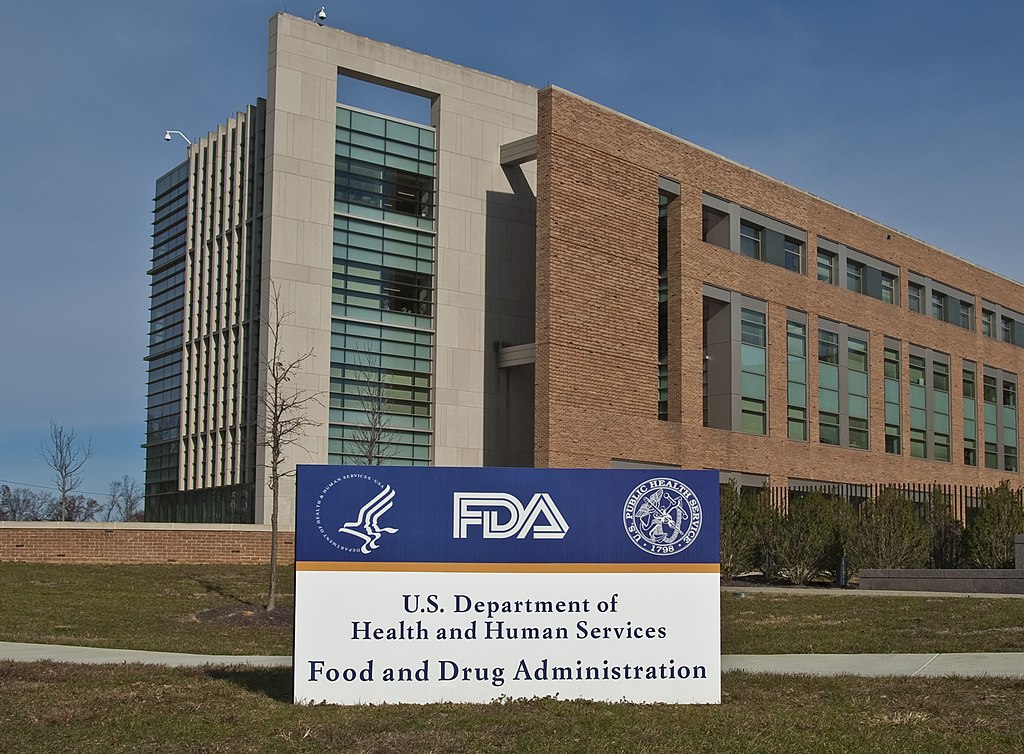
The U.S. Food and Drug Administration (FDA) has declined to review Moderna’s approval application for its experimental influenza vaccine, mRNA-1010, a decision that sent the company’s shares down about 8% in extended trading. Moderna disclosed that it received a refusal-to-file letter from the FDA, meaning the regulator will not initiate a formal review of the application at this time.
According to Moderna, the FDA’s Center for Biologics Evaluation and Research (CBER) cited a single issue as the basis for its decision. The agency said Moderna’s late-stage clinical trials compared mRNA-1010 to a standard-dose seasonal influenza vaccine that is already licensed, but that comparator did not represent the “best-available standard of care.” As a result, the FDA concluded that the studies did not meet the requirement for an “adequate and well-controlled” trial.
Moderna emphasized that the FDA did not raise any safety or efficacy concerns about the influenza vaccine itself. Chief Executive Officer Stéphane Bancel criticized the decision, saying it does not support the shared goal of strengthening U.S. leadership in innovative medicine development. He also noted that the refusal appeared inconsistent with prior written communications from the FDA and discussions held with CBER before the trials began.
The company’s marketing application for mRNA-1010 was supported by two late-stage studies that met their primary endpoints. Moderna previously reported that the vaccine demonstrated 26.6% higher efficacy compared with an approved annual flu shot from GSK. Bancel argued that using an FDA-approved influenza vaccine as a comparator should not be controversial, especially when the trial design had been discussed in advance with regulators.
Moderna has requested a meeting with the FDA to clarify the path forward for potential approval. The setback comes amid broader changes in the U.S. vaccine landscape, including a recent overhaul of federal childhood immunization guidance and the rollback of routine vaccination recommendations for several infectious diseases, including influenza.
Earlier this year, Moderna told Bloomberg TV that it does not plan to invest in new late-stage vaccine trials due to growing opposition to immunizations among some U.S. officials. The company also withdrew its application for a combined flu and COVID-19 vaccine last year to wait for additional efficacy data from its influenza program.
While the FDA review is on hold, Moderna said its influenza vaccine remains under regulatory review in the European Union, Canada, and Australia, with potential approvals expected in late 2026 or early 2027. Currently approved influenza vaccines in the U.S. include products from AstraZeneca and Sanofi.







