


 Trump Says U.S.-Iran Talks Progressing as Hopes Rise for Strait of Hormuz Reopening
  Zelensky Urges Faster NATO Action on Air Defense Missiles
  Rubio, UK’s Miliband Stress Stronger European Security Role in Washington Talks
  US Expects Iran-Oman Hormuz Shipping Deal Soon
  Trump Administration Plans $1 Billion Security Aid Package for Colombia
  Trump Administration Imposes New Forced Labor Tariffs on 60 Trading Partners
  New Mexico Measles Outbreak Cost Reached $5.4 Million, Study Finds
  SEC Moves to Dismiss Insider Trading Case Against Trump-Pardoned Terren Peizer
  Samsung, SK Hynix Test AMEC Chipmaking Tools for China Backup Plan
  AI Data Center Boom Faces New Risks as Public Backlash and Policy Scrutiny Grow
  Ukraine Agrees to Protect Kazakhstan Oil Exports via Black Sea
  US Customs Inspects China-Linked Factories in Vietnam Amid Trade Compliance Review
  US Embassies Urge Americans to Leave Middle East as Iran Tensions Escalate
  Trump Orders Section 301 Probe Into EU Tech Fines, Signals New Tariffs
  X Challenges Australia’s Expanded Social Media Ban Enforcement Powers
  Appeals Court Rejects Trump Bid to Reinstate $100,000 H-1B Visa Fee


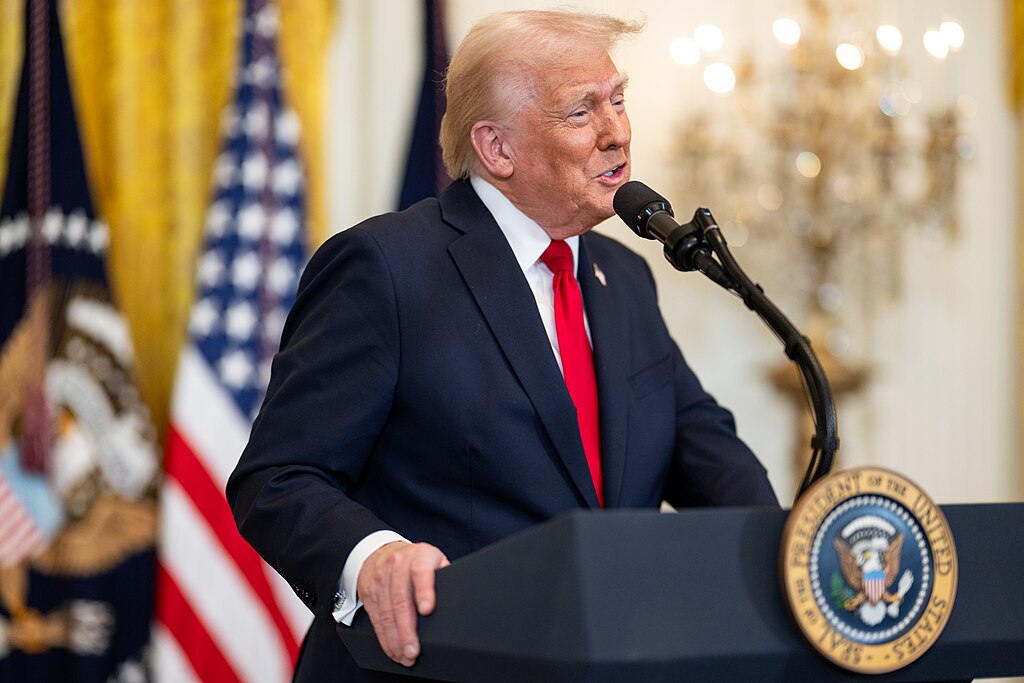
U.S. President Donald Trump’s new travel ban, set to take effect at 12:01 a.m. ET on Monday, prohibits entry from 12 countries, citing national security concerns. The executive order blocks travelers from Afghanistan, Myanmar, Chad, Republic of the Congo, Equatorial Guinea, Eritrea, Haiti, Iran, Libya, Somalia, Sudan, and Yemen. Citizens from seven additional nations, including Cuba, Venezuela, and Laos, will face partial restrictions.
The White House claims the affected countries either harbor terrorist threats, lack reliable identity verification systems, or fail to share critical criminal data. Trump pointed to a recent attack in Boulder, Colorado — where an Egyptian national threw a gasoline bomb into a pro-Israel crowd — as justification. Notably, Egypt is not included in the ban.
This policy echoes Trump’s earlier travel ban during his first term, which targeted several Muslim-majority nations and sparked widespread controversy. Critics argue the latest measure unfairly targets vulnerable populations, particularly asylum seekers. Representative Ro Khanna called the policy "draconian and unconstitutional," emphasizing the right to seek refuge.
Affected countries have begun responding. Chad’s President Mahamat Idriss Deby Itno announced a visa ban on U.S. citizens, expressing defiance and national pride. Meanwhile, Afghans who aided U.S. forces fear being forced back to Taliban-controlled regions, potentially facing severe retaliation.
The ban underscores Trump’s broader stance on restricting immigration, intensifying debate ahead of the 2026 election cycle. Human rights advocates and Democratic lawmakers have pledged to challenge the policy, warning of its humanitarian and diplomatic fallout.
The move is expected to spark legal and political challenges, while deepening divisions over U.S. immigration policy. As implementation begins, its impact on global mobility, international relations, and human rights remains under close scrutiny.







